The Mother’s Day brunch industry has a content problem. Every recipe blog publishes the same article: “37 Mother’s Day Brunch Recipes.” The reader scrolls through 37 dishes, picks none, panics, and orders breakfast tacos.
The problem is the format. Nobody hosts brunch by making 37 dishes. Hosts make four or five well-chosen dishes, ideally most of them prepped the night before, so they can actually sit at the table and eat with the people they’re hosting for.
This is the menu framework. Five dishes, with the make-ahead timing that means the host gets to sip a Mimosa instead of stand at the stove flipping pancakes for 90 minutes.
TL;DR: the menu framework
For a Mother’s Day brunch of 4-12 people:
- The hot egg dish (frittata, quiche, or strata): the protein anchor
- The cold or pastry dish (fruit platter, scones, coffee cake): the make-ahead
- The protein side (bacon, sausage, or smoked salmon): the savory anchor
- The hot drink (great coffee, ideally pour-over): the must-have
- The brunch cocktail or mocktail (Mimosa, Bellini, or non-alc spritz): the celebratory one
That’s the menu. Five dishes, three of which prep the night before. The host actually eats brunch instead of cooking through it.
Why a 5-dish menu beats 38 recipes
Competitor articles publish 30+ recipe listicles because the format is good for SEO, not good for hosting. Three reasons a curated 5-dish menu wins:
1. The host can actually execute it. Five dishes, with at least three prepped the night before, takes ~90 minutes of total active work. A 38-recipe brunch is impossible at home. Even half of it (19 dishes) requires three ovens, four prep cooks, and a commercial dishwasher. You don’t have any of those.
2. Guests can actually eat it. Even at a brunch for 12, total food eaten is around 2 lbs per guest of mixed solid food. That’s 24 lbs total. Five well-portioned dishes feed 12 people generously. Ten half-portioned dishes leave food everywhere and fill plates with samples instead of meals.
3. The mom you’re hosting wants to eat brunch with you, not eat brunch alone while you cook. Mother’s Day brunch is a hosting event where the guest of honor specifically wants the host to sit down. The 5-dish framework is the only way that happens.
The 5-dish menu is also the format restaurants use. A brunch menu at any decent restaurant has 8-12 items total across categories, not 30 recipes. We’re applying the same logic to home hosting.
Dish 1: The hot egg dish (the centerpiece)
The single most important dish on the brunch menu. Brunch without eggs feels like a bakery, not a meal.
The three best formats, ranked by hosting friendliness:
Frittata (the easiest)
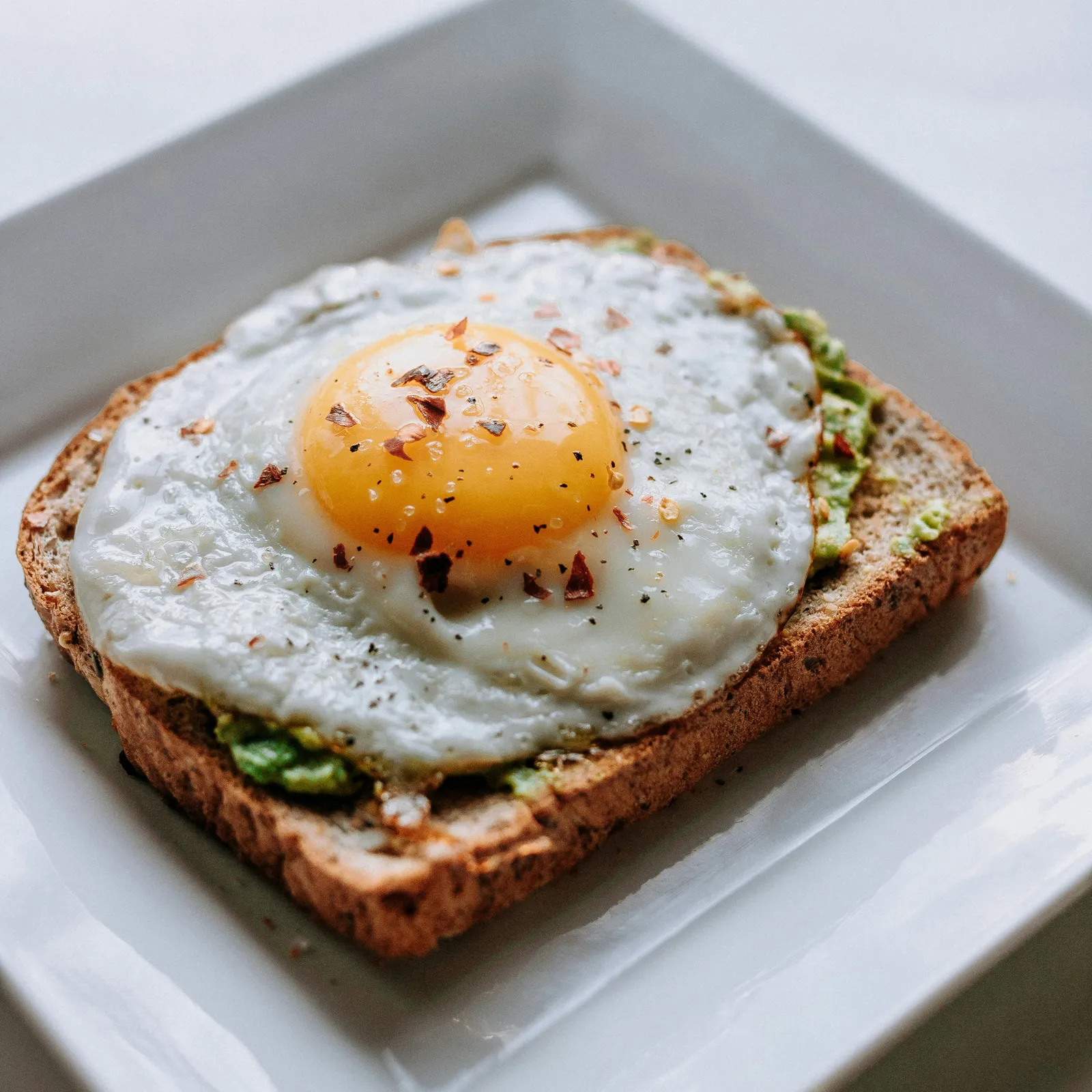
A frittata is essentially a crustless quiche, baked in one pan, served sliced. Made in 30 minutes, holds beautifully at room temperature, scales from 4 to 12 servings in the same 12-inch oven-safe skillet.
The reliable recipe:
- 8 large eggs (10 if serving 8+)
- ½ cup whole milk or heavy cream
- 1 cup gruyère, fontina, or aged white cheddar, grated
- 1 cup sautéed seasonal vegetables (spring: leeks + asparagus; summer: tomatoes + basil; year-round: spinach + caramelized onions)
- 4 oz cooked bacon, crumbled (optional, makes it heartier)
- Salt, pepper, fresh herbs
- 2 tbsp butter or olive oil
Method:
- Sauté vegetables in the oven-safe skillet until soft (5-8 minutes). Set aside in a bowl.
- Whisk eggs, milk, ¾ of the cheese, salt, and pepper.
- Return vegetables to the skillet, pour egg mixture over, top with remaining cheese.
- Cook on stovetop over medium-low for 3-4 minutes until edges set.
- Transfer skillet to a 375°F oven for 12-18 minutes until center is set and top is golden.
- Let rest 5-10 minutes before slicing. Serves 6-8 generously.
Why it wins: zero last-minute work. Make 1-2 hours ahead, serve at room temperature. Looks beautiful sliced. Reheats fine but rarely needs to.
Quiche (the slightly fancier)
A quiche is a frittata in a pastry crust. More work (the crust), more presentation impact. Use a pre-made all-butter frozen pie crust if you don’t want to make pastry, Trader Joe’s makes one that’s good.
Same filling logic as the frittata: eggs, dairy, cheese, vegetables, optional protein. Bake at 375°F for 35-45 minutes.
Why it wins: more dramatic visual on the table than a frittata. Takes more counter space and more oven time, so plan around it.
Strata (the make-ahead winner)
Strata is essentially a savory bread pudding. You assemble it the night before, refrigerate overnight, and bake it morning of. The single most make-ahead-friendly egg dish that exists.
The basic recipe:
- 8 cups cubed day-old bread (challah, sourdough, or French bread)
- 8 large eggs
- 3 cups whole milk
- 2 cups grated cheese (gruyère + sharp cheddar)
- 2 cups cooked vegetables or protein (sausage + spinach is the most reliable combination)
- Salt, pepper, fresh herbs
Method (night before):
- Layer half the bread in a buttered 9×13 baking dish.
- Top with half the cheese and all the vegetables/protein.
- Layer the remaining bread and cheese.
- Whisk eggs and milk; pour over the top.
- Press down so the bread soaks; cover and refrigerate 8-24 hours.
Method (morning of):
- Take the dish out of the fridge 30 minutes before baking (lets it come up to temp).
- Bake at 350°F for 45-55 minutes, covered with foil for the first 30, uncovered for the last 15.
- Rest 10 minutes before serving.
Why it wins: the most-loved dish in any brunch menu where it appears. Heavily make-ahead. Feeds 8-10 from one pan. The downside: it’s the longest oven-time of the three options, which can crowd the timeline if you’re also baking pastry.
For larger brunches (12+), the strata is the move. For brunches of 4-8, the frittata is the right call.
Dish 2: The cold or pastry dish (make-ahead)
The non-egg dish on the table. Either fruit-forward (cold) or pastry-forward (still room-temp), made the night before or earlier morning.
The fruit platter (the easiest)
Not a “fruit salad”, a platter of intentionally arranged fresh fruit. Looks far more impressive than the time it takes.
For a brunch of 6-8:
- 1 pint strawberries, hulled and halved
- 1 pint raspberries (whole)
- 1 pint blueberries (whole)
- 2 cups cubed melon (cantaloupe or honeydew, or both)
- 2 cups grapes, snipped into small clusters
- 1 pomegranate, seeds only (or pre-packaged seeds)
- Optional: fresh mint sprigs scattered, a drizzle of honey
Method:
- Cut fruit the night before; store in airtight containers in the fridge.
- Morning of, arrange on a large platter or wooden board: clusters by color, not mixed evenly. Strawberries in one section, blueberries in another. Looks more intentional than a tossed mix.
- Garnish with mint and a small bowl of fresh whipped cream or yogurt-honey dip on the side.
The pastry option (the upgrade)
If you want pastry, buy it. A great bakery scone or coffee cake is better than a homemade one made by a stressed host morning of. Trader Joe’s, the local bakery, or a real boulangerie if you have one.
If you’re committed to homemade:
Lemon-blueberry scones, easiest from-scratch pastry. 30 minutes total, made night before and reheated 10 minutes morning of. Brush with cream and sugar before baking; serve with lemon curd and clotted cream.
Cinnamon coffee cake, classic and reliable. Make it the night before; it’s actually better the next morning. Serve at room temperature, no reheating needed.
Skip: anything yeast-based that needs to rise the morning of (cinnamon rolls, brioche). Yeast pastries demand attention; brunch hosts can’t give it.
Dish 3: The protein side (something savory)
The salt-and-fat counterweight to the eggs and pastry. Without it, the brunch reads as too sweet.
The three reliable options:
Bacon (the universal)
Cook bacon in the oven, not the stove. Lay strips on a sheet pan with parchment, bake at 400°F for 18-22 minutes. No splattering, no flipping, no babysitting. Done in one batch even for 8 servings.
For maximum make-ahead: cook the bacon to 75% the night before (about 15 minutes), store on paper towels in the fridge. Morning of, finish in a 400°F oven for 5-7 minutes. Crispy, hot, and out of your way.
Sausage (the heartier option)
Breakfast sausage links or patties (chicken, pork, or maple). Cook in the oven on the same sheet pan you used for bacon; takes 15-20 minutes at 375°F. Or use a good Italian sausage cut into 2-inch pieces for a more interesting flavor.
Smoked salmon (the elevated option)
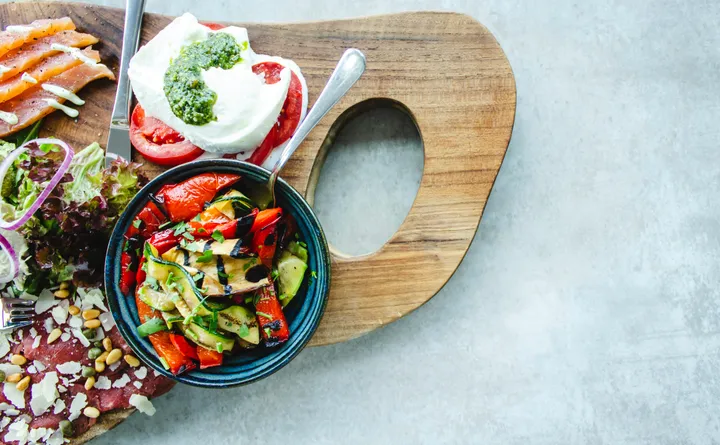
The path that signals “this is a real brunch.” Buy the best smoked salmon you can find (Acme, BLiS, or a local smokehouse, not the watery vacuum-packed grocery-store kind). Serve sliced thin on a wooden board with capers, thinly sliced red onion, lemon wedges, and good crackers or toasted bagel halves.
Smoked salmon doesn’t need to be cooked or reheated. Slice 30 minutes before serving so it comes up slightly from fridge temp. Makes the brunch feel like a hotel buffet, in the good way.
Dish 4: The hot drink (coffee, but elevated)
Coffee at a Mother’s Day brunch is non-negotiable. Bad coffee at brunch is an instant signal that the host wasn’t paying attention.
Three rules:
- Buy good beans. Whole beans from a local roaster or a quality national brand (Counter Culture, Stumptown, Verve). Pre-ground from the grocery store is the bottom 20% of the experience.
- Make it correctly. Pour-over, French press, or a good drip machine. Skip the pod machine. Brew within 30 minutes of serving.
- Make a real amount. Plan 8-12 oz of coffee per coffee-drinking guest. Underestimating coffee is the most common brunch mistake. Brew an extra batch toward the end of the meal.
The hosted-coffee setup: put the coffee on a sideboard or counter, with cream or half-and-half, sugar (white and brown), real milk, and small mugs nearby. Guests serve themselves. The host doesn’t need to play barista.
For elevation: a small carafe of warmed cream, a tin of cinnamon sticks (one per cup is fun), and dark chocolate-covered espresso beans on a small dish. Costs $5 extra and makes the coffee station feel intentional.
If you want a hot tea option for non-coffee drinkers, set out one good black tea (Earl Grey or English Breakfast), one herbal (chamomile or peppermint), and a kettle of hot water. Most non-coffee drinkers want tea; almost none want both.
Dish 5: The brunch cocktail (or mocktail)
Brunch cocktails are part of the cultural form. Without one, the brunch reads as a regular meal that happens at 11 a.m. With one, it’s a celebration.
The Mimosa (the standard)
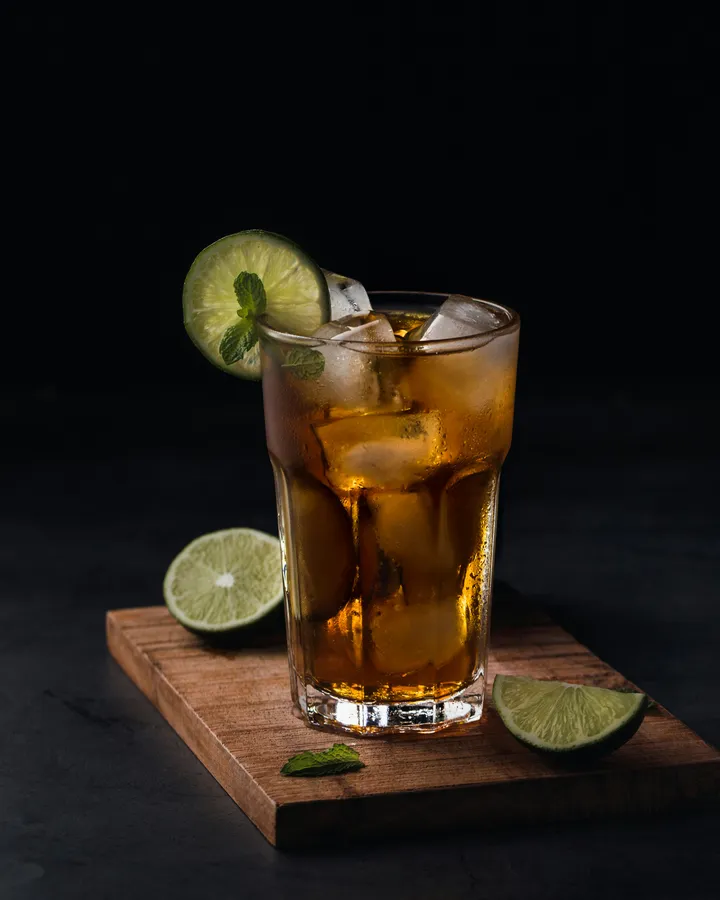
Champagne or prosecco + orange juice, equal parts, in a champagne flute. The most-served brunch cocktail in the world. Two ways to elevate:
- Use real fresh-squeezed orange juice, not the pulp-free pasteurized kind. Fresh juice is brighter and tastes nothing like the carton.
- Use prosecco, not the cheapest champagne. Brut prosecco at $12-18 per bottle is more reliable than $9 champagne. Prosecco is also the historically correct choice for an Italian-style brunch.
For a buffet setup: put the orange juice in a small carafe, the prosecco in an ice bucket, and let guests pour their own ratios. Set out 2 bottles of prosecco for 6 guests. Our mimosa bar guide has the full self-serve setup and the per-guest bottle and juice math.
The Bellini (the variation)
Prosecco + peach purée. Born at Harry’s Bar in Venice in 1948. Better than a Mimosa for brunches in late summer when peaches are in season; harder to nail in May (the May peach is mediocre). For Mother’s Day specifically, swap the peach for a strawberry or raspberry purée, same logic, better seasonal fit.
The non-alcoholic option (required)
Don’t make non-drinkers settle for water or orange juice straight. The host’s move is to set out a non-alcoholic spritz that mirrors the cocktail format.
The recipe: 4 oz sparkling water + 1 oz fresh-squeezed orange juice + 1 oz pomegranate or cranberry juice + a slice of strawberry or a few raspberries. Serve in a champagne flute. Looks identical to a Mimosa from across the table; tastes good on its own merits.
For an upgrade, add 1 oz of a non-alcoholic gin (Lyre’s, Seedlip, or Ritual) for real complexity. We cover the non-alc spirit options in our non-alcoholic spirits guide.
For more cocktail framework thinking, see christmas cocktail recipes and gin cocktail recipes.
The morning-of timeline
Hosting timing is what separates a relaxed brunch from a stressed one. The 5-dish menu, executed with this timeline, means the host sits down at the table when guests arrive.
Night before:
- Cut fruit, store in airtight containers
- Assemble strata if using (or prep frittata vegetables)
- Par-cook bacon to 75%
- Set the table (yes, the night before, see below)
- Put champagne or prosecco in the fridge to chill
Morning of, T-2 hours:
- Coffee setup: grind beans, prep the brewer
- Take strata out of fridge to come up to temp
- Pull bacon and any cold items out of fridge
T-90 minutes:
- Strata in oven (45-55 min) OR start frittata
- Buy or arrange pastry on serving platter
- Make non-alcoholic spritz syrup or arrange juice for Mimosas
T-45 minutes:
- Finish bacon (5-7 min in 400°F oven)
- Slice smoked salmon if using
- Arrange fruit on platter
- Brew coffee
T-15 minutes:
- Strata or frittata out of oven, resting
- Pour Mimosas and non-alc spritzes for early arrivers
- Light any candles on the table
T-0:
- Sit down. Eat brunch with your guests. The whole point.
The strata or frittata, served at room temperature, is the trick that lets this work. Hot food off the stove is a stress point; room-temp food is freedom.
Setting the table
A Mother’s Day brunch table should feel like spring, not like a holiday with branded paper products.
The components:
- White or cream plates, simple linen napkins (white, oatmeal, or pale pink)
- Fresh flowers in clear glass bud vases scattered down the center (not one tall arrangement). Peonies, garden roses, ranunculus, hellebores, or simple grocery-store bunches arranged loosely.
- 3 small candles in clear glass holders (lit during the meal: yes, even at brunch, candlelight at midday looks intentional and warm)
- Champagne flutes for the Mimosas, mugs for the coffee, water glasses
- One serving platter for the egg dish, one for the fruit, one for the pastry, one wooden board for the smoked salmon if using
Skip:
- Anything with the words “Happy Mother’s Day” printed on it
- Pink and purple “Mother’s Day theme” napkins or decor
- Plastic chargers in pastel colors
- Mason jars (still off the table, even at brunch)
- Edible flowers scattered as “garnish” (they look pretty for 4 minutes, then guests don’t eat them)
For the underlying place setting (where the fork goes, etc.), see how to set a table, Tier 2 (dinner-party setting) is the right choice for Mother’s Day brunch.
What to skip
The Mother’s Day brunch genre has accumulated some patterns worth dropping.
- Pancake bars or waffle bars. Tempting but logistically nightmarish. Pancakes go cold in 90 seconds; waffles need to be made one at a time. The host ends up at the griddle the whole brunch.
- French toast for a crowd. Same problem as pancakes. One serving works; eight servings means the host is a short-order cook.
- Breakfast meats served on a “breakfast meat board.” Three kinds of bacon plus four kinds of sausage is too much. Pick one bacon, one optional sausage, done.
- Avocado on everything. Smashed avocado on toast is great as an option. Avocado on the eggs, in the salad, in the smoothie, AND on toast is a parody of brunch.
- Frosé or rosé “punches.” Brunch cocktails should be 2 ingredients (Mimosa) or genuinely make sense for the meal. Frozen wine drinks at 11 a.m. read as bachelorette party.
- Decor with pictures of moms / grandmas / mother-and-baby silhouettes. Treat Mother’s Day with restraint. The dinner with mom is the celebration; the table doesn’t need to caption it.
- Cards with handwritten “I love you, Mom” messages at every place setting. Sentimental and lovely if it’s a small family brunch. Cringe-inducing at a brunch with friends or extended family.
A short FAQ
What to serve for a Mother’s Day brunch?
A 5-dish menu: one hot egg dish (frittata, quiche, or strata), one cold or pastry dish (fruit platter or scones), one protein side (bacon, sausage, or smoked salmon), great coffee, and a brunch cocktail (Mimosa) plus a non-alcoholic spritz. The frittata-fruit-bacon-coffee-Mimosa version is the most reliable.
Can I prep most of this the night before?
Yes. Strata is fully assembled the night before. Frittata vegetables are pre-sautéed. Fruit is cut and stored. Bacon is par-cooked. Pastry is bought or baked the night before. Coffee beans are ground 30 minutes before brewing.
How much food per person at brunch?
For a brunch served buffet-style: plan on 1.5 servings of the egg dish per person, 1 serving of pastry/fruit per person, 2-3 strips of bacon per person, 12 oz of coffee per coffee drinker, 1.5 cocktails per drinking guest over 2 hours. Always make slightly more than you think; brunch leftovers are excellent the next morning.
What time should Mother’s Day brunch start?
10 a.m. is the sweet spot. 11 a.m. works if guests are coming from far away. Earlier than 10 a.m. is too early for a hosted meal that involves cocktails; later than noon edges into lunch.
How do I host brunch if I don’t drink coffee?
Buy good coffee for guests anyway. The 8 oz of coffee you skip personally doesn’t justify having mediocre coffee at the table. Make tea for yourself; let the coffee station serve everyone else.
What flowers for a Mother’s Day brunch?
Peonies (May is peak peony season, perfect timing), garden roses, ranunculus, hellebores. Pale pinks, creams, and whites. Skip carnations and chrysanthemums (they look like funeral flowers from the 1950s). A good grocery-store bouquet rearranged into 3-5 small bud vases beats one large florist arrangement at half the price.
What’s the right brunch cocktail-to-non-alcoholic ratio for guests?
Plan on 2 brunch cocktail servings per drinking guest, plus 2 non-alcoholic options per non-drinking guest. Always have at least 4 servings of the non-alc option even if no guests are explicitly non-drinkers, guests will switch midway through the brunch and the second drink they want is often non-alcoholic.
For broader hosting frameworks, see how to host a dinner party (the cornerstone hosting guide) and christmas cocktail recipes (sibling cocktail framework that applies to any holiday menu planning). For the same brunch logic applied to a shower, our bridal shower brunch menu guide gives four complete menus plus the host plan. For the larger Q2 holiday a few weeks earlier on the calendar, our traditional Easter dinner guide covers the same hosting logic applied to the bigger Easter Sunday meal (5 menus from ham to lamb to vegetarian, with the cultural context behind each).