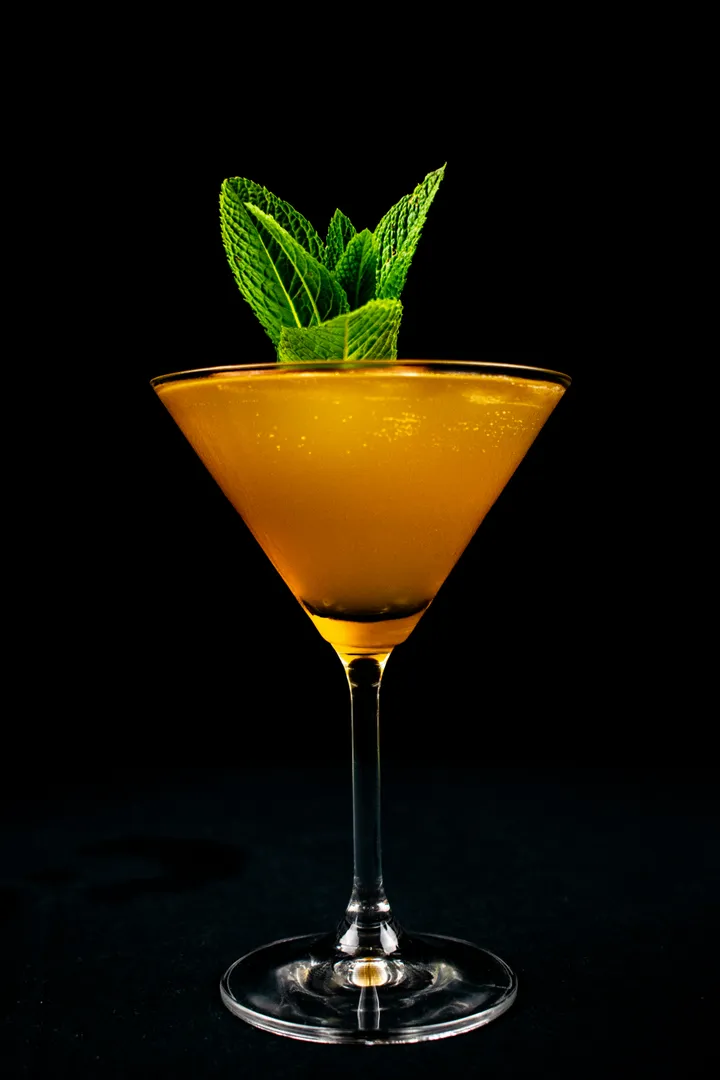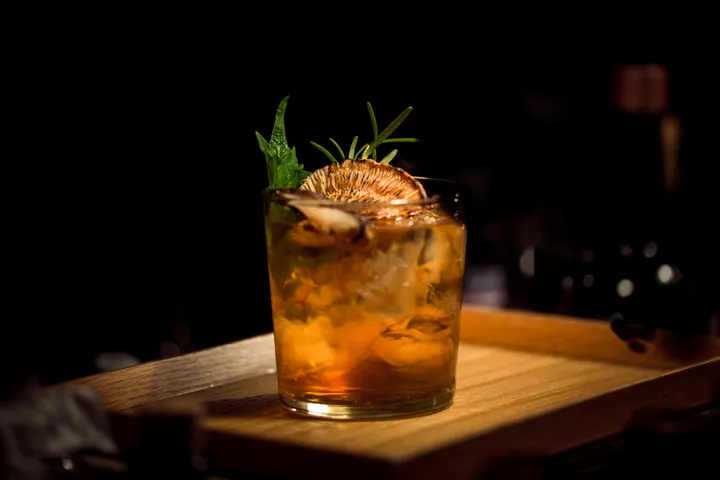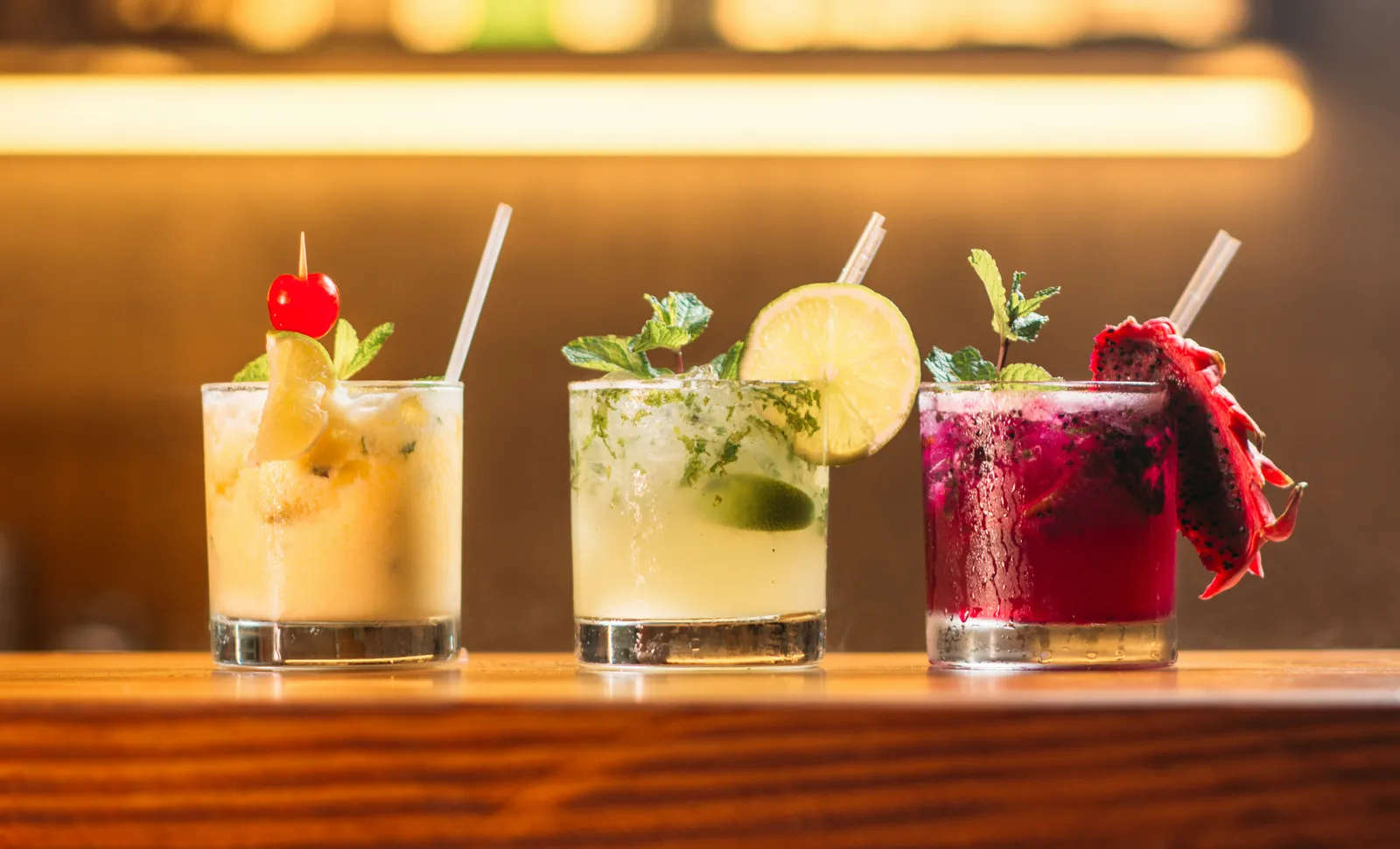
The non-alcoholic spirits category went from a joke to a real category in about five years. As recently as 2020, “non-alc gin” mostly meant tonic water with a juniper aftertaste, and “non-alc whiskey” was a punchline. The current state of the market is unrecognizably better. Some non-alc gins are now genuinely good in cocktails. Some non-alc aperitifs are arguably better than the originals when you’re hosting and don’t want to lose the back half of the dinner party. And some categories, non-alc whiskey, non-alc rum, are still not there yet.
This is the honest version. What’s actually good now, what to buy first, what to skip, and the one rule that makes every mocktail better regardless of which spirit you start with.
TL;DR
- Buy first: Seedlip Garden 108 (gin alternative,
$35) or Lyre’s Dry London Spirit ($36). Gin is the most mature non-alc category and the most versatile. - Skip first round: non-alcoholic whiskey and rum. Both categories still feel like compromise products in 2026.
- The secret weapon: non-alcoholic aperitifs (Lyre’s Italian Spritz, Ghia, Wilfred’s). They mix into spritzes that are arguably better than the originals.
- The rule: spend on the mixer before you spend more on the spirit. A $5 bottle of Fever-Tree tonic does more for a non-alc gin and tonic than a $50 bottle of premium non-alc gin paired with grocery-store tonic.
- Will it give you a buzz? No. Functional drinks (Kin Euphorics, Three Spirit) are a different category.
Why this category is suddenly good
Three things happened in parallel.
The technology improved. The first generation of non-alcoholic spirits tried to recreate gin or whiskey by removing alcohol from a real distillate, which strips most of the flavor with it. The current generation distills botanicals and aromatic compounds without fermenting alcohol in the first place, capturing the flavor independently. The result tastes more like the source spirit because the chemistry is closer to it.
The use case became real. “Sober curious” went from a niche term in 2020 to a real consumer category by 2024. Dry January moved from a quirky resolution to a $1B+ retail moment. Restaurants started building non-alc cocktail menus that look like cocktail menus, not afterthoughts. The market for a $35 bottle of non-alc gin is now actually there.
The mixers caught up. This matters more than people realize. Modern tonics, ginger beers, sodas, and shrubs are vastly better than the supermarket Schweppes-and-Canada-Dry standard from a decade ago. A non-alc gin and tonic in 2026 has a real chance of being a great drink because the tonic is doing more of the work.
That said, not every category is equal. Some non-alc spirits are now legitimately good. Others are still chasing.
The hierarchy: which non-alc spirits are actually good (and which still aren’t)
Ranked by category quality, not by individual brand. Each rating reflects the average product available now, not the best one.
| Category | Quality | Why |
|---|---|---|
| Gin alternatives | Genuinely good | Botanicals translate well; tonic does most of the heavy lifting |
| Aperitifs (Aperol-style, Campari-style) | Often great | Bitter botanical flavors are easy to capture; spritzes hide imperfections |
| Tequila alternatives | Improving fast | The agave note is hard but the gap is closing |
| Vermouth alternatives | Mostly good | Vermouth is wine-based; alcohol-free versions are essentially flavored fortified-style wines |
| Whiskey/bourbon alternatives | Still inconsistent | Wood-aged spirits are hardest to recreate; oak char and vanilla notes don’t translate well |
| Rum alternatives | The weakest | Sugar-cane fermentation and ester complexity are very hard to fake |
Within each category there are exceptions. Within whiskey alternatives, Spiritless Kentucky 74 and Free Spirits Bourbon are notably better than the average. Within rum, Lyre’s White Cane is workable in a Mojito but won’t pass for the real thing in a Daiquiri.
Non-alcoholic gin: the most-mature category
Gin is botanical-forward. Juniper, coriander, citrus peel, angelica root. These flavors come from infusion and distillation of botanicals, which translates well to a non-alcoholic process. A good non-alc gin captures the herbaceous, slightly bitter, slightly floral character that defines the spirit.
What to buy
- Seedlip Garden 108 (~$35): the founder of the category. Pea-and-hay forward, with a clear herbaceous nose. Mixes beautifully with tonic. The right starter bottle.
- Seedlip Grove 42 (~$35): citrus-forward sibling to Garden 108. Mandarin and bergamot. Better in a non-alc Negroni or a citrus highball than Garden 108.
- Lyre’s Dry London Spirit (~$36): more juniper-forward, closer to a London Dry profile. Mixes into a non-alc Martini with vermouth alternative more convincingly than Seedlip does.
- Ritual Zero Proof Gin Alternative (~$30): juniper-and-citrus, slightly sweeter. Good in a Tom Collins; less ideal neat.
- Monday Zero Alcohol Gin (~$30): the cleanest, most “real-gin-like” of the budget options. Strong juniper, dry finish.
How to use it
- Gin and tonic: the test case. 1.5 oz spirit, 4 oz quality tonic (Fever-Tree, Q, East Imperial), big lime wedge. If a non-alc gin doesn’t make a passable G&T, it’s not worth keeping.
- Non-alcoholic Negroni: equal parts non-alc gin, non-alc Campari-style aperitif (Lyre’s Italian Orange or Ghia), and a non-alc vermouth (Lyre’s Aperitif Rosso). Stir with ice, strain.
- Garden Highball: Seedlip Garden 108 + cucumber slice + soda water + grapefruit wedge, built over ice in a tall highball or Collins glass. The single most reliable non-alc cocktail to serve at a dinner party.
If you’re buying one non-alc spirit to start, make it gin.
Non-alcoholic whiskey/bourbon: the hardest to get right
Whiskey is wood-aged. The defining flavors come from time in oak barrels: vanilla, caramel, toasted oak, char, sometimes smoke. Recreating these flavors without distilling actual alcohol-and-grain is technically very hard. Most non-alc whiskeys taste like flavored vanilla water.
What to buy if you must
- Spiritless Kentucky 74 (~$36): the most credible non-alc bourbon. Real charred oak notes (they age it after distillation), proper amber color, surprisingly close to the source. Best in an Old Fashioned with a quality bitter.
- Free Spirits The Spirit of Bourbon (~$36): also good, slightly sweeter than Spiritless. Better in a Whiskey Sour than neat.
- Lyre’s American Malt (~$36): closer to a young rye. Works in a Manhattan with a non-alc vermouth.
What to skip
The non-alc whiskeys at Whole Foods or Walmart for under $25. They mostly taste like sweet vanilla water and disappoint in any cocktail that relies on whiskey character.
How to use it
- Old Fashioned: Spiritless Kentucky 74 + sugar + Angostura bitters + orange peel. Bitters do a lot of the work; the resulting cocktail is recognizable as an Old Fashioned even if it’s not identical to the real thing.
- Whiskey Sour: Free Spirits Bourbon + lemon juice + simple syrup + egg white (real egg white, not aquafaba, egg whites are non-alcoholic, and the texture matters). Surprisingly close to the real thing.
Honest assessment: even the best non-alc whiskey is a 70% match for the real thing. If whiskey is your favorite spirit, you may find non-alc versions disappointing. Consider gin or aperitifs as your non-alc category instead.
Non-alcoholic tequila: the fastest-improving
Tequila is agave-distilled. The vegetal, slightly briny, slightly peppery character is hard to capture without fermentation, but the category is improving fast. As of early 2026, several non-alc tequilas are good enough for Margaritas, Palomas, and tequila-based highballs.
What to buy
- Ritual Zero Proof Tequila Alternative (~$30): the leader. Smoky-vegetal with a hint of pepper. The right base for a non-alc Margarita.
- Lyre’s Agave Blanco Spirit (~$36): cleaner and more citrus-leaning than Ritual. Better in a Paloma than a Margarita.
- Free Spirits The Spirit of Tequila (~$36): the smokiest, closest to a mezcal profile. Try in a smoky non-alc Paloma.
How to use it
- Non-alcoholic Margarita: 1.5 oz Ritual Tequila + 1 oz lime juice + 0.75 oz simple syrup or agave + salt rim. Shake hard with ice, strain into a coupe or rocks glass.
- Non-alcoholic Paloma: 1.5 oz Lyre’s Agave Blanco + 4 oz grapefruit soda (Squirt or Jarritos) + lime + salt rim. Easier than a Margarita and arguably tastier.
Non-alcoholic aperitifs and amari: the secret weapon
The most underrated corner of the non-alc category. Aperitifs and amari are bitter, often herbal, and meant to be mixed with a sparkling base. Bitterness is one of the easiest flavor profiles to recreate without alcohol, because the bitter compounds (gentian root, cinchona, citrus peel) don’t depend on fermentation.
A non-alc Aperol Spritz or non-alc Negroni Sbagliato is, in many cases, almost indistinguishable from the real thing.
What to buy
- Lyre’s Italian Spritz (~$30): an Aperol substitute. Bitter orange, slightly sweet, the right red-orange color. Mixes 3-2-1 with sparkling water and a quality non-alc sparkling wine for a non-alc spritz that’s genuinely good.
- Lyre’s Italian Orange (~$30): a Campari substitute. Bitterer, more medicinal, the right deep red. The base of a non-alc Negroni.
- Ghia (~$33): wine-based aperitif, gentian and yuzu-forward. Drink it on the rocks with a tonic top and a lemon wheel. Some hosts argue Ghia is better than the alcoholic options it competes with.
- Wilfred’s Bittersweet Aperitif (~$28): the most “Aperol-like” of the alternatives. Mixes into a spritz that almost nobody can tell apart from the real thing in a blind test.
- Three Spirit Nightcap (~$40): a different category, herbal nightcap with functional ingredients (ashwagandha, valerian). Sip neat or with bitters. Not a substitute for any specific drink; a category of its own.
How to use it
- Non-alcoholic Aperol Spritz: 3 parts non-alc sparkling wine (Surely, Töst, Gruvi) + 2 parts Lyre’s Italian Spritz or Wilfred’s + 1 part soda water + orange wheel, served over ice in a big all-purpose wine glass, the same glass a real spritz gets. Better than 90% of the real Aperol Spritzes served at hotel bars.
- Ghia and tonic: 1.5 oz Ghia + 4 oz tonic + lemon wheel. The simplest non-alc cocktail that punches above its weight.
- Non-alc Negroni Sbagliato: equal parts Lyre’s Italian Orange + Lyre’s Aperitif Rosso (vermouth alternative) + non-alc sparkling wine. Stirred, served on the rocks.
If you’re hosting and want to serve one impressive non-alc drink, the spritz format is the safest bet. Easy to make, hard to mess up, almost universally well-received.
The “swap mixer first” rule
The single most useful framework for non-alc cocktails: the quality of the mixer matters more than the quality of the spirit.
A non-alc gin and tonic with a $35 premium non-alc gin and a 50-cent supermarket tonic is going to be a worse drink than the cheapest non-alc gin paired with a $4 bottle of Fever-Tree.
The reason: in any spirit-and-mixer drink, the mixer is most of the volume. In a 6 oz G&T, the gin is 1.5 oz and the tonic is 4 oz. The mixer dominates the flavor, the carbonation, the temperature, and the perceived quality. Upgrading the tonic improves all of those. Upgrading the gin improves only one ingredient that’s already a minority share.
The rule, in practice:
- Never serve non-alc gin and tonic with grocery-store tonic. Use Fever-Tree, Q, East Imperial, Top Note, or any of the smaller premium tonic brands.
- Never serve a non-alc spritz with grocery-store soda water. Use San Pellegrino, Topo Chico, Mountain Valley, or a real Italian sparkling water.
- Citrus must be fresh. Bottled lime juice ruins more non-alc cocktails than any single other ingredient. Squeeze fresh lime, lemon, grapefruit. The bottle in the fridge has a shelf life of a week, not a year.
- Ice quality matters. Big clear cubes melt slower and dilute the drink less. Cloudy small ice from your fridge crusher dilutes a non-alc cocktail to nothing within five minutes.
If you’re new to non-alc cocktails, spend the first $20 on better mixers before you spend the next $30 on a fancier spirit.
Brand-by-brand: who to buy
A condensed reference for the brands worth knowing. Listed by category strength, not retail price.
- Lyre’s, broadest catalog. Decent at everything, exceptional at aperitifs. The Italian Spritz, Italian Orange, and Aperitif Rosso (vermouth alternative) are the best things they make.
- Seedlip, gin specialists. Garden 108 and Grove 42 are both genuinely good. Ignore Spice 94 unless you specifically want a complex sipper.
- Ritual Zero Proof, strong on tequila and gin. Their tequila alternative is the category leader. Slightly sweeter overall than Lyre’s.
- Spiritless, small lineup, mostly whiskey. Kentucky 74 is the best non-alc bourbon on the market. Worth knowing if whiskey-style cocktails matter to you.
- Free Spirits, strong on whiskey and tequila. Slightly more expensive than peers; quality usually justifies it.
- Ghia, single product (the original aperitif), with a few flavored variants. Cult following. Worth trying if you like Italian aperitifs.
- Wilfred’s, UK aperitif specialists. Bittersweet Aperitif is the closest non-alc match to Aperol that exists.
- Three Spirit, functional category. Herbs and adaptogens. Different product class; great if you want the ritual without the spirit profile.
- Kin Euphorics, functional category. GABA, adaptogens, nootropics. Marketing-heavy; the product is fine but oversold.
Skip: anything sold for under $20 in the supermarket non-alc section. The supply chain economics for those products don’t allow real botanical distillation. They’re mostly flavored seltzer.
What to skip
- Most rum alternatives. As of 2026, non-alc rum is the weakest category. Lyre’s White Cane Spirit is the most workable, and even it disappoints in cocktails that depend on rum character (Mai Tai, Daiquiri, Mojito on the rocks). If you want a tropical non-alc drink, build it on a non-alc tequila or gin instead.
- Most “premium” supermarket non-alc spirits. The $15-22 bottles in the non-alc section of Whole Foods and Sprouts are usually the lowest tier of the major brands. The same brand’s $30+ flagship at a real liquor store will be meaningfully better.
- Non-alc wine for cocktails. It works for drinking, less so for mixing. The texture and acid balance is wrong for any cocktail role.
- DIY “make your own” non-alc spirits at home. It’s possible but requires real botanical knowledge and equipment. The brands listed above have done the work for you.
- Anything sold as “alcohol-removed” wine or spirit at a low price. Removing alcohol from real spirits strips most of the flavor with it. The quality non-alc category distills botanicals separately, not subtracts alcohol.
Will any of these give you a buzz?
Most won’t. Non-alcoholic spirits, by definition, contain less than 0.5% ABV. That’s not enough to produce a noticeable physiological effect even if you drank a full bottle.
The exceptions: a separate category of “functional beverages” adds active ingredients designed to produce mild relaxation or focus. Common ingredients: ashwagandha, kava, GABA, L-theanine, lion’s mane, valerian root.
- Three Spirit uses lion’s mane, ashwagandha, and a kava-style proprietary blend. Produces a mild relaxed feeling for some users, nothing for others.
- Kin Euphorics uses adaptogens and nootropics. Marketing implies a buzz; the actual experience is mild.
- De Soi (Katy Perry’s brand) uses adaptogens; subtle effects.
These are real categories of products with real ingredients, but the effects are mild and inconsistent. They’re closer to a chamomile tea or a slightly stronger CBD drink than to alcohol. If you want a true buzz substitute, they will probably underwhelm. If you want a non-alcoholic ritual that has some effect, they might work for you.
The rest of the non-alc spirits category is essentially flavored water. The point isn’t the buzz; it’s the cocktail experience without the alcohol.
FAQ
What is the best non-alcoholic spirit?
If you’re buying one bottle: Seedlip Garden 108 (gin) or Lyre’s Dry London Spirit (also gin). Gin is the most mature non-alc category. The first-bottle decision should be a gin alternative paired with quality tonic.
Will non-alcoholic spirits give you a buzz?
No. Non-alc spirits contain less than 0.5% ABV, not enough to produce noticeable effects. Functional drinks (Three Spirit, Kin Euphorics, De Soi) use adaptogens and may produce mild effects, but those are a separate category.
Is 0% alcohol still bad for you?
For most people, no. Trace alcohol (under 0.5%) is similar to the levels in kombucha or some fruit juices. The two groups for whom medical guidance recommends caution are people in recovery from alcohol use disorder and people who are pregnant.
Are non-alc spirits worth the price?
Yes if you’re substituting for real spirits at a similar price tier. A $35 non-alc gin replacing a $35 real gin is reasonable. If you’re trying to replace LaCroix with something fancier, non-alc spirits feel overpriced; they’re meant for cocktails, not as standalone sipping drinks.
What about Dry January?
Dry January is the moment most people first try non-alc spirits. The category has built itself around this moment. If you’re starting a Dry January and want to replicate the social ritual of cocktails, the best Dry-January starter pack: one non-alc gin (Seedlip or Lyre’s), one non-alc aperitif (Lyre’s Italian Spritz or Wilfred’s), four bottles of premium tonic (Fever-Tree), one bottle of non-alc sparkling wine (Surely, Töst, Gruvi). Total ~$80; covers G&Ts, spritzes, and cocktail-ritual drinks for the month.
Can I cook with non-alc spirits?
Some, but most aren’t designed for it. Real spirits in cooking provide flavor and heat penetration / fat-soluble extraction. Non-alc spirits provide only the flavor side, often diluted. They work fine in non-cooked applications (cocktails, sauces added at the end) and less well in deglazes and reductions.
Do non-alcoholic spirits expire?
Most have a shelf life of 12-18 months unopened, 3-6 months once opened (refrigerated). Without alcohol acting as a preservative, the botanical flavors degrade faster. Buy as you’ll use them; don’t stockpile.
What’s next
Once you have a bottle or two, the question is what to make with them. Our vodka mocktails and mocktail recipes guides cover the drinks these spirits are built for, and the bar cart guide shows where they fit in a home bar that serves drinkers and non-drinkers from the same setup.