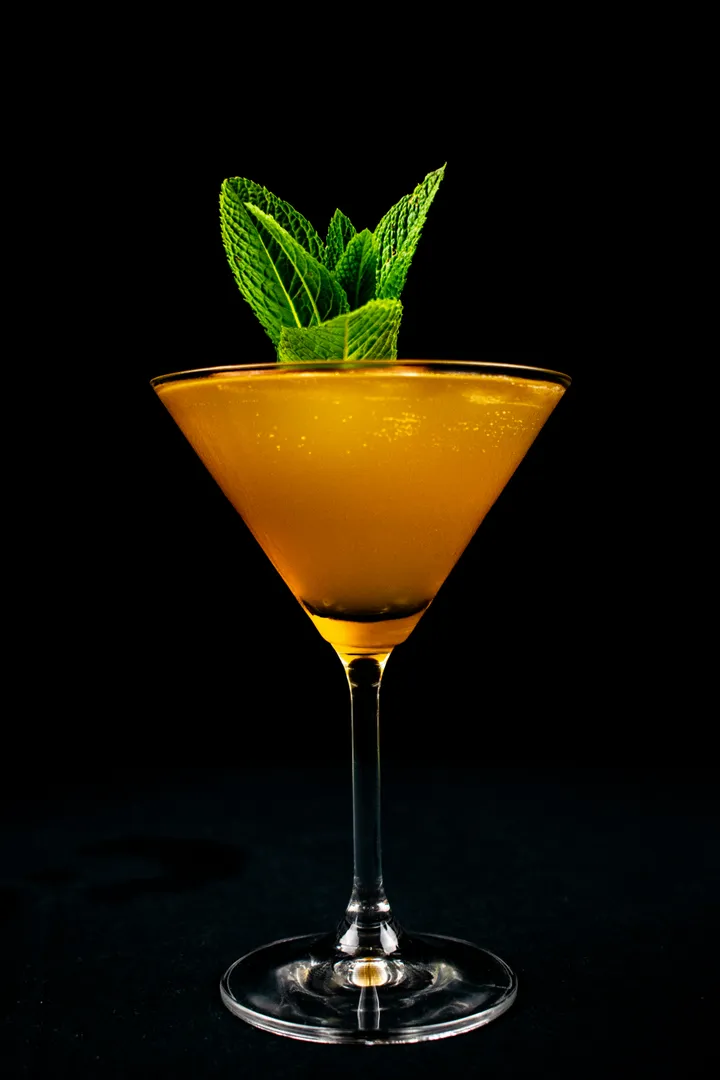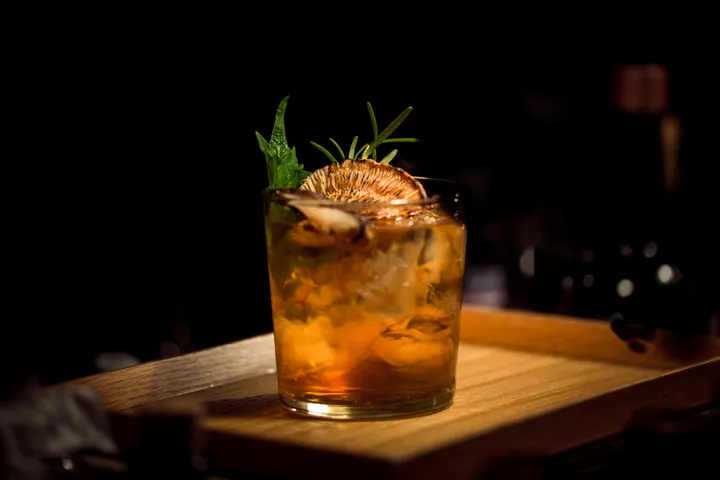
Vodka has a problem in the cocktail world. It’s the most-sold spirit in the US, but bartenders treat it as the boring sibling of gin. The reason: vodka is, by definition, neutral. Without flavor of its own, vodka cocktails depend on the supporting cast, the citrus, the bitter, the mixer. A vodka cocktail can be a great drink or a thin one, depending on what surrounds the vodka.
Most “vodka cocktail recipes” articles dump 30 recipes with no order. The reader gets overwhelmed and makes none of them.
This is the opposite. Eight vodka cocktails, organized as a learning path. Start with the 2-ingredient drinks where vodka is the only spirit. Build to 3-ingredient classics where the supporting cast carries the flavor. Finish at the 4-ingredient cocktails that show what vodka can do when given proper backup.
By the end, you can mix any of the most-ordered vodka cocktails at any bar. You’ll also know what to buy, what to skip, and how to make non-alcoholic versions for guests who don’t drink.
TL;DR
- Start with: Vodka Soda (the foundation), Vodka Martini (simpler version, before vermouth ratios get fussy)
- Build to: Moscow Mule, Cosmopolitan, Lemon Drop (the 3-ingredient classics)
- Graduate to: Bloody Mary, Espresso Martini, Vesper (technique-builders, real bartender drinks)
- Buy: one mid-tier vodka (Tito’s, Stoli, or Reyka), one bottle of dry vermouth, ginger beer (Fever-Tree), cranberry juice, fresh lemons and limes, simple syrup, espresso. That covers all 8.
- Non-alcoholic: every recipe works with a non-alc vodka (Lyre’s, Ritual, or Spiritless). Vodka cocktails are among the easiest to translate to non-alc because vodka has minimal flavor of its own.
Why these 8 (and not 30)
Cocktail mixology is a small set of templates with infinite variations. Once you understand the templates, you can mix dozens of cocktails by recombining ingredients.
The 30-cocktail listicle obscures this. Eight cocktails, organized correctly, teach the framework:
- Spirit-and-mixer (Vodka Soda)
- Stirred and strained (Vodka Martini, Vesper)
- Shaken sour (Lemon Drop, Cosmopolitan)
- Tall with ginger (Moscow Mule)
- Built and savory (Bloody Mary)
- Layered post-dinner (Espresso Martini)
If you can make these eight cleanly, you can mix any classic vodka cocktail by recombining the techniques.
What kind of vodka to buy
Before any recipe, the vodka question. Vodka is the most-faked premium category in spirits, the price difference between a $20 bottle and an $80 bottle is mostly marketing. Honest assessment of the tiers:
Mid-tier ($20-30), what most cocktails should be made with:
- Tito’s Handmade Vodka ($25). The American workhorse. Clean, neutral, made in Texas. Won’t disappoint in any cocktail.
- Stoli (Stolichnaya) Vodka ($25). Russian-style, slightly fuller-bodied than Tito’s. Good in cocktails that benefit from a tiny bit of grain character (Bloody Mary, Moscow Mule).
- Reyka Vodka ($28). Icelandic, filtered through volcanic rock. Cleanest of the mid-tier. Excellent in Martinis and Vespers.
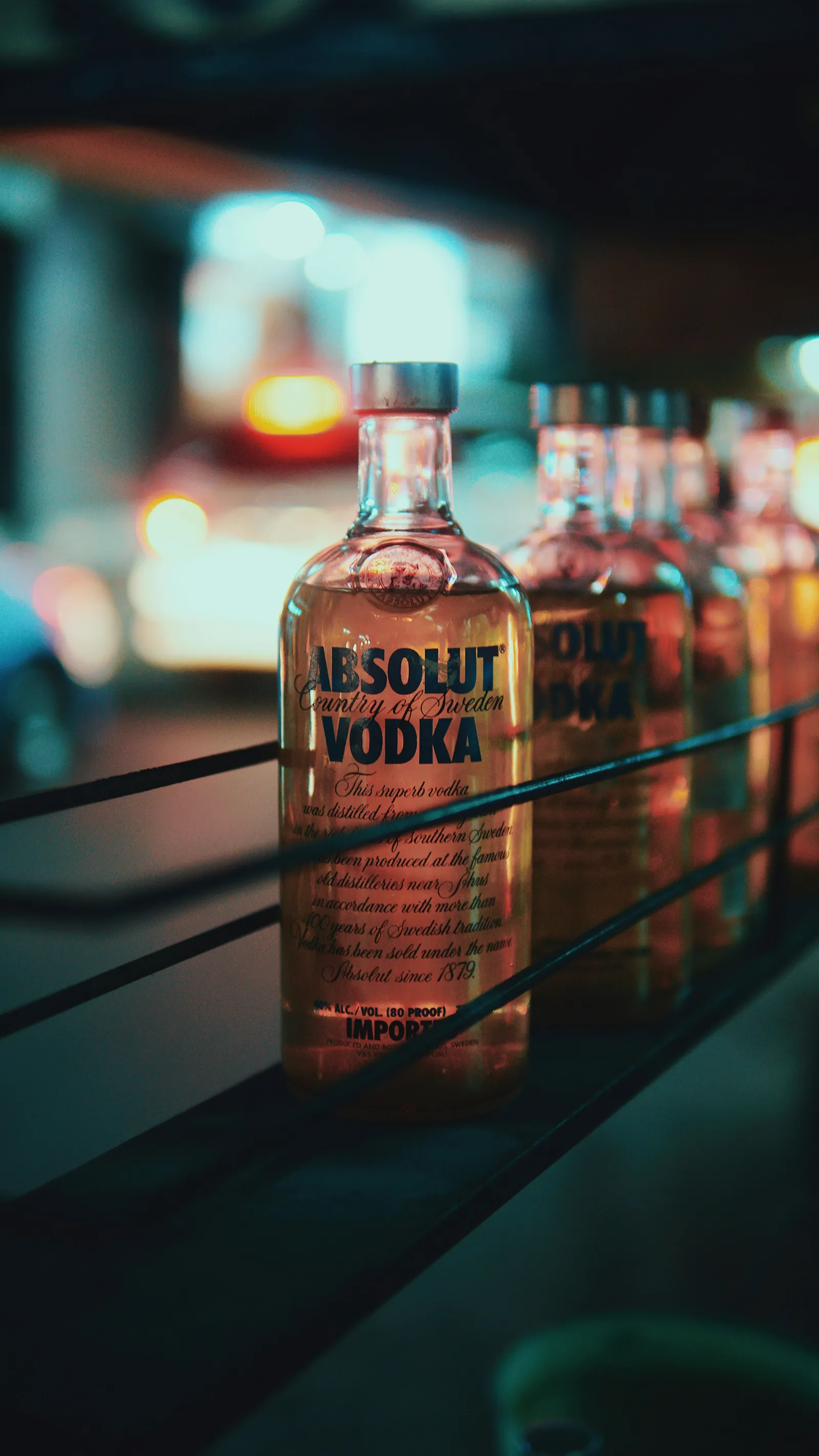
- Absolut ($25). Swedish. Slightly sweeter than Stoli. Workable in any cocktail.
Higher-tier ($35-50), for sipping vodka or when it really matters:
- Belvedere ($45). Polish rye-grain vodka, slightly peppery. Worth it for Martinis where the vodka is the main flavor.
- Chopin ($40). Polish potato vodka, distinctive creamy texture. Good in Vodka Martinis and Vespers.
- Grey Goose ($45). French wheat vodka. Smooth, expensive marketing budget. Solid but overpriced for what it delivers.
What’s the difference? In a cocktail with strong supporting flavors (Moscow Mule, Bloody Mary, Lemon Drop), the vodka choice doesn’t matter much. The mixer dominates. In a clean cocktail (Vodka Martini, Vesper, Vodka Soda), the vodka quality is meaningful. Use Tito’s for everything by default; upgrade to Belvedere or Chopin specifically for clean Martinis.
A second bottle, eventually: a non-alcoholic vodka (Lyre’s, Ritual Zero Proof, or Spiritless) for guests who don’t drink. We cover the category in non-alcoholic spirits.
2-ingredient cocktails (start here)
The simplest cocktails, but not the easiest to do well. With only two ingredients, the quality of each shows up directly.
1. Vodka Soda
The most-ordered vodka cocktail in America. Ostensibly two ingredients; actually a quality test of the bartender’s attention to detail.
- 2 oz vodka (Tito’s, Stoli, or Reyka)
- 4-5 oz cold soda water (Topo Chico, Fever-Tree, or San Pellegrino)
- Garnish: lime wedge or lemon wheel
Method:
- Fill a Highball glass with full-cube ice (not crushed; crushed ice over-dilutes).
- Pour vodka over the ice.
- Top with cold soda water.
- Squeeze the lime wedge over the drink and drop it in. Stir once briefly.
Why it teaches: the Vodka Soda is where you learn that the mixer matters more than the spirit. A premium soda water with good ice makes a meaningful difference. A grocery-store soda water and small ice cubes turn the same vodka into a flatter, more diluted drink.
Skill notes: the lime is the hidden flavor element. A skimpy squeeze gives you flat soda with vodka. A real squeeze (a quarter of a fresh lime) gives you a bright, citrus-forward drink.
For the right glass, see whiskey glasses (covers Highball glassware).
2. Vodka Martini (the simpler version)
The James Bond cocktail. Made famous as “shaken, not stirred,” but bartenders almost universally prefer it stirred (shaking aerates the cocktail and makes it slightly cloudy).
- 2.5 oz vodka (use Belvedere, Chopin, or Reyka here, the vodka matters)
- 0.5 oz dry vermouth (Dolin Dry or Noilly Prat, keep refrigerated; vermouth is wine-based)
- Garnish: lemon peel OR three olives on a pick
Method:
- Combine vodka and vermouth in a mixing glass with plenty of ice.
- Stir for 25-30 seconds.
- Strain into a chilled coupe or martini glass.
- Express a lemon peel over the surface and drop it in. Or skewer 3 olives.
Why it teaches: the Vodka Martini is where you learn that with vodka, the supporting players make the drink. A chilled glass, properly aged vermouth, the right garnish, and a quality vodka, together these make a great cocktail. Skip any of them and the drink is thin.
Skill notes: the vermouth ratio is personal. 5:1 vodka-to-vermouth is “wet” and approachable. 6:1 is “dry” and vodka-forward. 8:1 is “very dry” and almost pure vodka. Skip the “extra dry” trend (where vermouth is just rinsed in the glass and discarded), it makes the drink essentially room-temperature vodka.
For the right glass, see martini glasses and coupe glasses.
3-ingredient classics
Once you have a feel for spirit-and-mixer drinks and stirred drinks, the next step is the 3-ingredient template. Each ingredient adds something specific.
3. Moscow Mule
Vodka, ginger beer, lime. Born in 1941 in Hollywood. Served in a copper mug because the original promoter thought the copper would distinguish the cocktail visually.
- 2 oz vodka
- 4 oz cold ginger beer (Fever-Tree, Bundaberg, or Cock ‘n Bull, NOT ginger ale)
- 0.5 oz fresh lime juice
- Crushed or full-cube ice
- Lime wedge + fresh mint sprig garnish (optional)
Method:
- Fill a copper mug or Highball glass with ice.
- Pour vodka and lime juice over the ice.
- Top with ginger beer. Stir gently.
- Garnish with a lime wedge and optional mint sprig.
Why it teaches: the Moscow Mule is where you learn the difference between ginger beer and ginger ale. Ginger beer is fermented (or spicier non-fermented), genuinely peppery, often unfiltered. Ginger ale is sweetened ginger-flavored soda. They’re not interchangeable. A Moscow Mule with ginger ale is a flat, sweet drink. With real ginger beer, it has bite and complexity.
Skill notes: copper mugs aren’t required, but they keep the drink colder longer and look intentional. If you don’t have copper mugs, a Highball glass is fine. Don’t use a wine glass.
4. Cosmopolitan
The Sex and the City cocktail. Pink, sweet-tart, polarizing. Loved by some, dismissed by others. Done well, it’s a real drink.
- 1.5 oz citron vodka (or plain vodka, citron is traditional but optional)
- 0.5 oz Cointreau (or other quality triple sec)
- 0.5 oz fresh lime juice
- 1 oz cranberry juice (real, unsweetened, not “cranberry cocktail”)
- Garnish: lime wheel or flamed orange peel
Method:
- Combine all ingredients in a shaker with ice.
- Shake hard for 12-15 seconds.
- Double-strain into a chilled coupe or martini glass.
- Garnish with a thin lime wheel or flamed orange peel.
Why it teaches: the Cosmopolitan is where you learn why the cranberry juice matters. Most home Cosmos use Ocean Spray “Cranberry Cocktail”, it’s mostly sugar and water with a small amount of cranberry. Real unsweetened cranberry juice is tart, almost bitter on its own, but balances perfectly when mixed with the lime and triple sec. The drink with real cranberry juice is bright and adult; the drink with cranberry cocktail is sugary and pink.
Skill notes: the flamed orange peel garnish is theatrical but worth learning. Hold a fresh orange peel above the surface of the drink; light a match between the peel and the drink; squeeze the peel toward the flame. The orange oil ignites briefly, releasing a caramelized aroma into the drink. Photograph well; tastes meaningfully better.
5. Lemon Drop
Vodka, triple sec, lemon, sugar rim. Covered in detail in our lemon drop cocktail recipe guide.
- 2 oz vodka
- 0.5 oz Cointreau
- 0.75 oz fresh lemon juice
- 0.5 oz simple syrup
- Sugar rim (on the OUTSIDE of the glass)
- Lemon twist garnish
Method: standard shaken-cocktail technique. Shake hard, double-strain into a sugar-rimmed coupe.
Why it’s here: the Lemon Drop is the third 3-ingredient classic (after the Cosmopolitan), and it teaches the same lesson, the supporting cast (triple sec, fresh citrus, technique) makes the drink.
4+ ingredient cocktails (you’ve graduated)
These are the real bartender drinks. More ingredients, more technique, more nuance.
6. Bloody Mary
The most-eaten cocktail in America. Brunch standby, hangover cure, savory cocktail. Almost a meal in a glass.
- 2 oz vodka
- 4 oz tomato juice (good quality, RW Knudsen, Sacramento, or fresh)
- 0.5 oz fresh lemon juice
- 0.25 oz Worcestershire sauce
- 2-3 dashes hot sauce (Cholula, Tabasco, or Crystal)
- 0.25 tsp horseradish (fresh or jarred)
- Pinch of celery salt and black pepper
- Optional: 0.5 oz dill pickle juice, 1 dash olive brine
- Garnish: celery stalk, lemon wedge, olive on a pick, optional bacon strip
Method:
- Combine all ingredients in a shaker with ice.
- Roll the cocktail (don’t shake hard, shaking aerates the tomato juice and makes it foamy/cloudy). Roll = pour gently from one half of the shaker to the other 3-4 times.
- Strain into a tall glass filled with fresh ice.
- Garnish heavily, load the glass.
Why it teaches: the Bloody Mary is where you learn that garnishes can be the meal. A Bloody Mary with a celery stalk and lemon wedge is a drink. A Bloody Mary with celery, lemon, lime, an olive, a pickle, a small piece of bacon, and a salt rim is a brunch experience. The garnish is half the drink.
Skill notes: premium “Bloody Mary mix” sold pre-bottled is fine but expensive. Make from scratch using real tomato juice and real spices; it’s better and cheaper.
7. Espresso Martini
The cocktail that owns the modern post-dinner moment. Born in 1980s London, exploded in popularity 2020-2024. The drink-of-choice for anyone who wants both a dessert and a drink.
- 2 oz vodka
- 1 oz fresh espresso (or 1 oz strong cold brew concentrate)
- 0.75 oz coffee liqueur (Mr Black, Kahlúa, or Tia Maria)
- 0.25 oz simple syrup
- Garnish: 3 espresso beans
Method:
- Combine all ingredients in a shaker with ice.
- Shake hard for 15-20 seconds (you want serious foam).
- Double-strain into a chilled coupe or martini glass.
- Garnish with 3 espresso beans floating on the foam (3 beans = an Italian tradition).
Why it teaches: the Espresso Martini is where you learn that shaking creates foam, and foam matters. A properly shaken Espresso Martini has a thick layer of crema on top, like a perfectly pulled espresso shot. Under-shake and you get a thin, foamless drink. Shake hard for the full 15-20 seconds.
Skill notes: fresh espresso beats cold brew, but most homes don’t have an espresso machine. Strong cold brew concentrate is the best alternative. Avoid using brewed coffee, it’s too watery.
8. Vesper
The James Bond-original Martini. Combines gin AND vodka with Lillet Blanc, stirred long, served up.
- 2 oz gin (London Dry, Beefeater or Tanqueray)
- 0.5 oz vodka (Belvedere or Reyka)
- 0.25 oz Lillet Blanc (or Cocchi Americano as a substitute)
- Garnish: lemon peel
Method:
- Combine all ingredients in a mixing glass with plenty of ice.
- Stir for 30+ seconds (long stir, the cocktail should be very cold).
- Strain into a chilled coupe.
- Express a lemon peel over the surface and drop it in.
Why it teaches: the Vesper introduces the concept of cocktails that combine multiple base spirits. Bond’s reasoning (in the original Casino Royale book) was that the Vesper combined the best of gin (botanical complexity) with the best of vodka (cleanness). The result is a Martini that’s drier and more complex than a standard Vodka Martini. Dangerously drinkable.
Skill notes: Lillet Blanc is the modern substitute for Kina Lillet (the original bittersweet aperitif Bond’s recipe called for, which doesn’t exist anymore). Cocchi Americano is closer to the original Kina Lillet flavor. Either works.
If you make the Vesper and like it, you’re done with the learning path. You can mix any classic vodka cocktail.
Non-alcoholic vodka variations
Every cocktail above translates to a non-alcoholic version using a non-alc vodka. Vodka is the easiest spirit category to substitute because vodka itself is neutral, non-alc versions have less to mimic.
Best non-alc vodkas for cocktails:
- Lyre’s White Cane Spirit, clean, neutral, the most universally workable non-alc vodka.
- Ritual Zero Proof Vodka Alternative, slightly more “kick” from added botanicals, good in Bloody Marys.
- Spiritless Jalapeño, for a non-alc spicy Bloody Mary substitute.
Which cocktails translate best:
- Excellent: Vodka Soda, Moscow Mule, Bloody Mary (the mixer carries the flavor)
- Very good: Cosmopolitan, Lemon Drop (the citrus and sweet balance hides the flavor difference)
- Good: Espresso Martini (the coffee dominates)
- Hardest: Vodka Martini, Vesper. Spirit-forward stirred drinks reveal the flavor gap most. Worth trying with Lyre’s, but expect 80% of the real thing.
For the full breakdown of non-alc spirits, see non-alcoholic spirits.
What to skip
A short list of common vodka-cocktail moves that don’t deliver.
- Flavored vodkas in classic cocktails. Vanilla vodka, raspberry vodka, whipped cream vodka exist. None work in classic cocktails. Save them for shooters and college parties.
- Vodka + sugary energy drink combinations. Vodka Red Bull and similar combinations are functional shots, not cocktails. Skip in any hosting context.
- Premium vodka in cocktails dominated by other flavors. Don’t waste $80 vodka in a Bloody Mary. Save premium vodka for clean cocktails (Martini, Vesper).
- Frozen vodka cocktails in a blender. Vodka loses character when frozen. Frozen drinks are for tequila and rum.
- Vodka cocktails with three different fruit juices. A “Sex on the Beach” with vodka + peach schnapps + cranberry + orange juice is fine but rarely good. Pick one or two juices, not four.
- Pre-mixed vodka cocktails in a can. Convenient but usually too sweet, too watered-down, and the carbonation goes flat fast. Make from real ingredients.
A short FAQ
What is the easiest vodka cocktail?
The Vodka Soda. Two ingredients, no shaker, 30 seconds. The Moscow Mule is the second-easiest (3 ingredients, 60 seconds, no shaker).
What’s good to mix with vodka?
Tonic water, soda water, ginger beer, cranberry juice, fresh lemon juice, fresh lime juice, espresso, tomato juice, orange juice, grapefruit juice. Vodka pairs best with high-acid mixers because vodka itself is neutral.
What’s the difference between a Vodka Martini and a Gin Martini?
The base spirit. Gin Martini uses gin (juniper-forward); Vodka Martini uses vodka (cleaner, neutral). Same vermouth, same garnish. The Vodka Martini was popularized by James Bond in the 1960s. Bartenders historically prefer the Gin Martini for its complexity, but the Vodka Martini has won the popular vote.
Can I make these without alcohol?
Yes, all of them. Use a non-alc vodka (Lyre’s, Ritual, Spiritless) at the same ratio. Vodka is the easiest spirit category to substitute because vodka itself is neutral. Vodka Soda, Moscow Mule, and Bloody Mary translate especially well.
What’s the best vodka brand?
For cocktails: Tito’s ($25) is the universal workhorse. For Martinis specifically: Belvedere ($45) or Chopin ($40). The price difference disappears in cocktails dominated by other flavors (Bloody Mary, Moscow Mule), so save the premium vodka for clean cocktails.
What gear do I need to make these cocktails?
Five tools cover all 8: a Boston shaker (covered in cocktail shakers), a strainer, a fine-mesh strainer, a jigger, and a bar spoon. Glassware: a Highball, a rocks glass, a coupe, and a copper mug for the Moscow Mule. See our glassware guide for which to actually buy.
How long do batched vodka cocktails keep?
Stirred drinks (Martini, Vesper) batch well in a pitcher in the fridge for 24-48 hours. Shaken sours don’t batch, the citrus oxidizes within 4-6 hours. Bloody Mary mix can be made 24 hours ahead but tastes best within 4 hours. Cocktails with sparkling components (Vodka Soda, Moscow Mule) don’t batch, add carbonated mixers per-glass at serving.
What’s the most underrated vodka cocktail?
The Vesper. Most people associate it with James Bond and never order it; bartenders consider it one of the best cocktails ever invented. Make one once and you’ll see why.
For sibling cocktail education, see gin cocktail recipes (the parallel learning path for gin), lemon drop cocktail recipe (deep dive on one of these), and christmas cocktail recipes (cocktails in a hosting framework). For the home bar setup that supports any of these drinks, see bar cart, cocktail shakers, and non-alcoholic spirits for guests who don’t drink.