If you’re trying to figure out whether to buy coupe glasses, what they’re actually for, or how to pronounce them without embarrassing yourself at a cocktail bar, this is for you. We’ll cover the whole question, then tell you which 3 sets we’d actually buy.
TL;DR: the quick answer
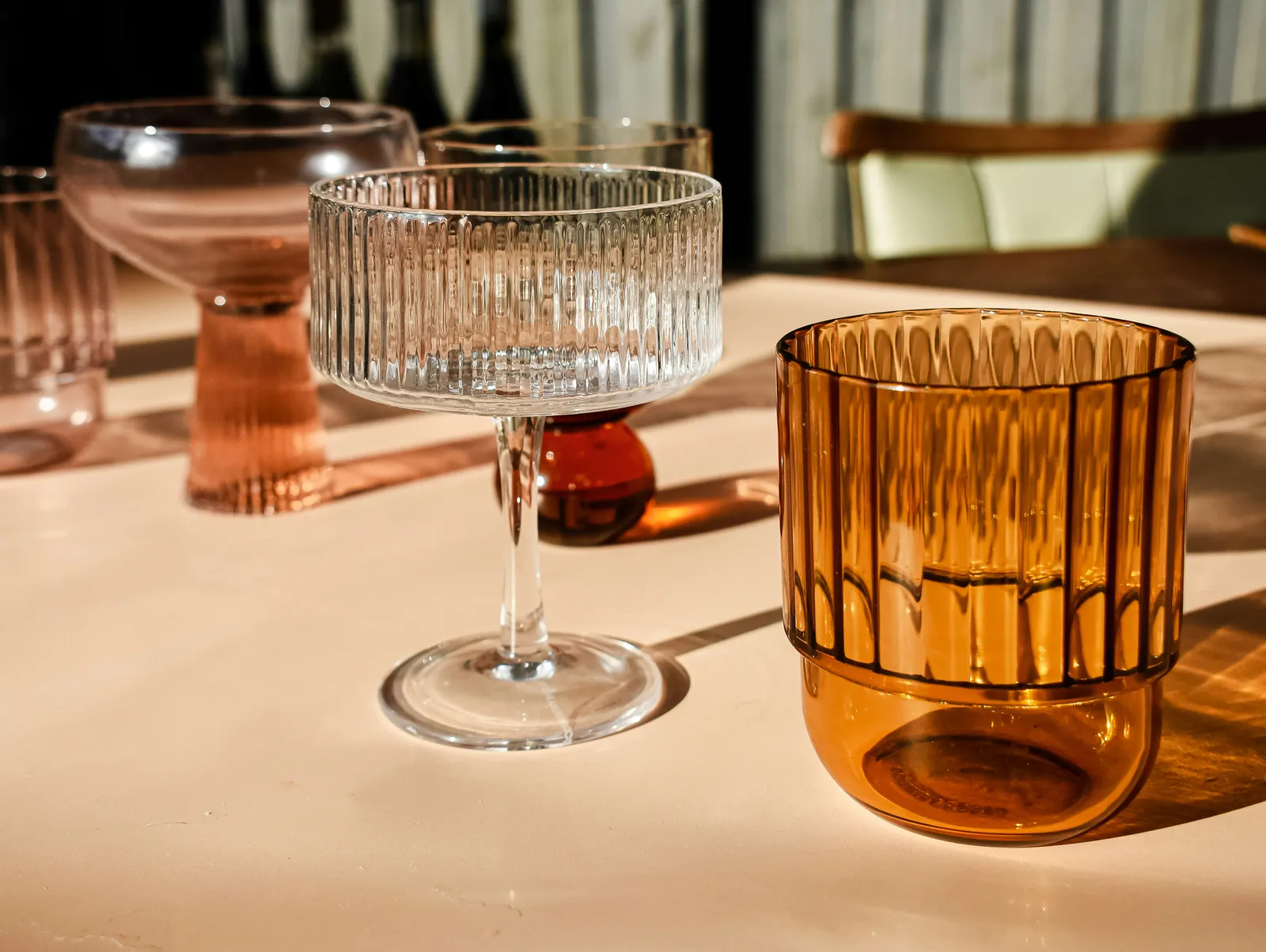
- A coupe glass is a stemmed cocktail glass with a shallow, rounded bowl. Think: half-sphere on a stem.
- It’s for “up” cocktails (those served chilled, without ice): daiquiri, sidecar, manhattan, gimlet, aviation, French 75. Also champagne, historically.
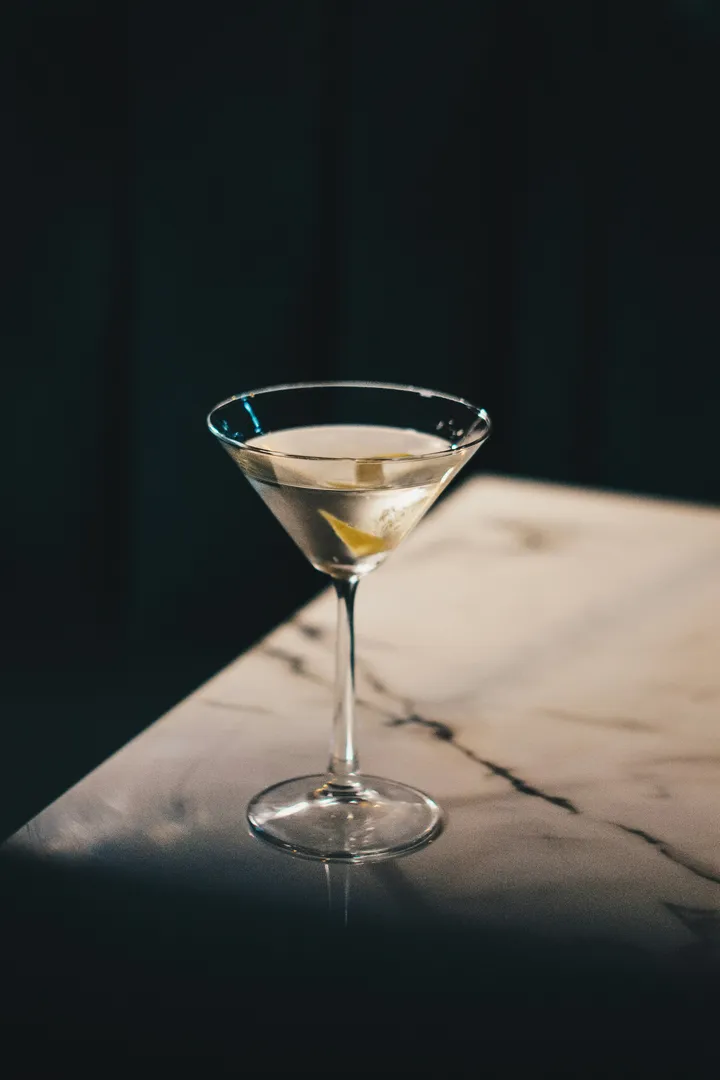
- Coupe vs. martini glass: coupe has a rounded bowl; martini has a sharp V. Coupes are sturdier and look better with more drinks.
- Pronunciation: “koop” (one syllable, like soup).
- What to buy: the IKEA STORHET at ~$5/glass for budget, the Libbey Greenwich at ~$15/glass for the workhorse middle tier, the Cocktail Kingdom Leopold at ~$25/glass if you make cocktails seriously.
- Don’t buy 12. Start with 6.
What is a coupe glass, exactly?
A coupe is a stemmed glass with a wide, shallow bowl, usually 4 to 7 ounces in capacity. The bowl is rounded (half-sphere), which makes it more stable than a martini glass and keeps drinks from sloshing when handed across a crowded room.
It’s the glass you reach for when a cocktail is served “up” (chilled but no ice in the glass) and you want it to look intentional rather than utilitarian.
The 30-second history
The coupe was invented in 17th-century England as a Champagne glass. Legend ties its shape to a real woman’s body (depending on the version: Marie Antoinette, Madame de Pompadour, Helen of Troy, Empress Joséphine). All those stories are apocryphal, the shape predates them. What’s true: until the mid-20th century, coupes were the standard Champagne glass before the flute became dominant, because flutes preserve carbonation longer.
The coupe’s second life came in the early-2000s craft cocktail revival. Bartenders rediscovered it as the right glass for short, classic cocktails, and it’s been the bartender’s glass of choice ever since.
How to pronounce it
“Koop.” One syllable, rhyming with soup. From the French word for cup. Not “koo-pay”, that’s the two-door car. Saying it with two syllables marks you as someone who’s read about coupe glasses but never asked a bartender for one.
Coupe vs. martini glass: which is which
Both are stemmed, both hold cocktails served up. The differences:
| Coupe | Martini glass | |
|---|---|---|
| Bowl shape | Rounded, shallow (half-sphere) | Sharp V-shaped cone |
| Stability | More stable, wider base of liquid | Tippy, narrow bottom |
| Spill risk | Low | High at any pour above 3 oz |
| Visual drama | Subtle, classic | Bold, mid-century |
| Versatility | Works for almost any “up” cocktail + champagne | Mostly martinis and showy variants |
| Modern bartenders use | This | Rarely |
If you’re buying one cocktail glass shape for your home bar, it should be the coupe.
What drinks go in a coupe glass?
Coupes are made for “up” cocktails, chilled, no ice in the glass. The traditional list:
Classic cocktails that traditionally use one
- Daiquiri (rum, lime, sugar)
- Sidecar (cognac, Cointreau, lemon)
- Manhattan (whiskey, sweet vermouth, bitters)
- Gimlet (gin, lime cordial)
- Aviation (gin, maraschino, lemon, crème de violette)
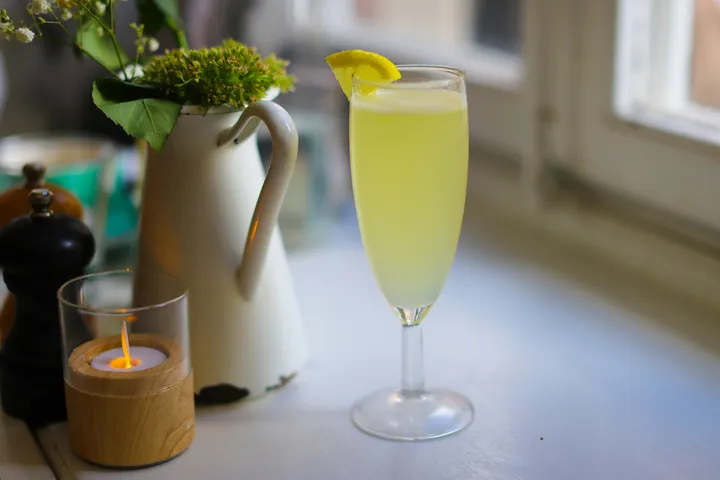
- French 75 (gin, lemon, simple, champagne)
- White lady (gin, Cointreau, lemon)
- Bee’s knees (gin, lemon, honey)
- Hemingway daiquiri (rum, grapefruit, lime, maraschino)
- Most “sours” (the format: spirit + citrus + sweetener + optional egg white)
If you’re new to cocktails, the bar cart guide covers which spirits cover the most of these.
Champagne and sparkling: yes or no?
Yes, but with a caveat. The coupe was the original Champagne glass and is having a small revival. The trade-off: bubbles dissipate faster in the wider, shallower bowl than they do in a flute. If sparkling wine is the main event, our best champagne glasses roundup ranks coupes against flutes and tulips by price.
Practical rule: if it’s a casual aperitivo where everyone is drinking the glass within 5-10 minutes, the coupe is fine and looks nicer. If it’s a long toast at a wedding or you want the bubbles to last 30 minutes, choose a flute.
When to use a coupe over a different glass
- Use a coupe when the drink is short (3-6 oz), served up, and you want it to look polished.
- Use a rocks/old-fashioned glass when the drink is served on the rocks (negroni, old fashioned, whiskey neat).
- Use a highball when the drink is long and built with a mixer (gin and tonic, Moscow mule, Tom Collins).
- Use a wine glass for, well, wine. Don’t put cocktails in your wine glasses unless it’s an emergency.
What to look for when buying coupe glasses
Most reviews talk about brands. Here’s what actually matters about the glass itself.
Size: 4-7 oz is the sweet spot
Modern coupes range from 4 oz (small, vintage-style, the right size for a properly proportioned martini or daiquiri) to 10 oz (oversized, looks dramatic but makes a 4-oz cocktail look meager).
The right size for most home use: 5-6 oz. Big enough for a generous pour, small enough that the drink looks full.
If you primarily make martinis or stirred whiskey cocktails (manhattans, etc.), lean toward 4-5 oz, those are 3-oz drinks and look proportional in a smaller bowl. If you primarily make sours and champagne cocktails (with egg white foam or a citrus float), lean toward 6-7 oz.
Stem: shorter and thicker = more durable
This is the lesson from every serious test of coupe glasses. A short, stout stem is harder to snap during washing or in a clumsy hand. Long, delicate stems look elegant in photos and break in real life.
Look for stems around 3-4 inches with visible thickness at the join.
Bowl shape: deeper sides = colder drinks
A flatter, more open bowl loses heat fast (the drink warms in your hand within minutes). A bowl with steeper sides keeps the cocktail cold longer and prevents spills when you carry it.
This is the main reason coupes outperform martini glasses in real use: the rounded sides do both jobs.
Durability and dishwasher safety
If you have a dishwasher and you’ll use it: get dishwasher-safe glasses. Most affordable coupes (Libbey, IKEA, Viski) are. Lead crystal and very thin glass usually aren’t.
Don’t fall into the trap of buying delicate handmade coupes that have to be hand-washed. You won’t enjoy them, they’ll live in a cabinet.
Our picks (budget, mid-tier, splurge)
We weren’t able to test 12 sets. We’ve stress-tested these three over enough dinner parties and bar shifts to recommend them honestly.
Best budget: IKEA STORHET (~$5/glass)
The dark-horse pick. IKEA’s STORHET is a 10 oz coupe that’s stupidly affordable, dishwasher-safe, and surprisingly classy. It’s bigger than ideal, at 10 oz, a 3-oz martini looks small in it, but for casual cocktails, champagne aperitifs, or the budget-conscious starter set, it’s the obvious answer.
The trade-off: you have to be near an IKEA. They don’t ship reliably to all areas.
Best mid-tier: Libbey Greenwich (~$15/glass)
The workhorse. Libbey’s Greenwich coupe hits a 6-oz capacity (the right size), has a sturdy stem, is dishwasher-safe, comes in 4-packs at the right price, and looks better than its price tag suggests. This is the set we’d buy if we were starting a home bar today and wanted glasses that would survive 5 years of use.
If you can only have one set of coupes: get these.
Best splurge: Cocktail Kingdom Leopold (~$25/glass)
The bartender’s coupe. Cocktail Kingdom’s Leopold is the glass that won Serious Eats’ 9-glass test and is the standard issue at half of the cocktail bars we’ve drunk in. 6 oz capacity, thin rim, durable stem, looks beautiful in hand.
Buy these if you make cocktails as a hobby and want the glass to feel as good as the drink. Otherwise, the Libbey above is 90% of the experience for half the cost.
What to skip
- Oversized “fishbowl” coupes (anything over 8 oz). They look dramatic empty and make any drink look meager.
- Paper-thin crystal coupes if you have a dishwasher. They’ll crack within a year. If you must have crystal, plan to hand-wash.
- Plastic coupes, except for one specific use case: pool parties or outdoor weddings where breakage is a real concern. For everyday home use, plastic flexes the rim and ruins the lip-feel.
- Vintage coupes if you primarily drink martinis. Genuine vintage coupes are typically 3-4 oz, too small for a modern martini pour. Vintage coupes are great for the original purpose (sweet, short cocktails or champagne in small sips), but they’re not a one-set solution.
- Buying 12 to start. Start with 6. You don’t host 12 people often. If you do once a year, two sets of 6 is more flexible than one set of 12, different glasses for different occasions.
A short FAQ
What are coupe glasses meant for? Cocktails served “up” (chilled, no ice), daiquiri, sidecar, manhattan, gimlet, aviation, French 75. Also champagne, historically.
Can I serve prosecco in a coupe glass? Yes. The coupe was the original Champagne glass. The trade-off: bubbles dissipate faster than in a flute. Best for casual aperitifs where the glass gets drunk quickly.
What drinks are served in a coupe glass? “Up” cocktails: daiquiri, sidecar, manhattan, gimlet, aviation, French 75, white lady, bee’s knees, and most sours. Also champagne and other sparkling wines.
How is coupe glass pronounced? “Koop.” One syllable, rhyming with soup. Not “koo-pay.”
What’s the difference between a coupe and a martini glass? Coupe = rounded, shallow bowl. Martini glass = sharp V-shaped cone. Coupes are sturdier and work with more cocktails. Martini glasses are showier but spill easily.
How a coupe glass actually fits into a home bar
If you’re building a home bar, your glassware order should be:
- Rocks glasses (or “Old Fashioned” glasses), for stirred drinks on ice. The most-used glass.
- Coupes, for everything served up.
- Highball glasses, for tall drinks with mixers.
- One universal wine glass, covers white, sparkling, and most reds.
You don’t need anything else to start. We cover the full home-bar build in our bar cart and home bar guides, and the rest of the glassware section covers wine, water, and specialty glasses if you want to expand.
If you are still deciding which glasses are worth owning, our guide to the types of cocktail glasses you actually need sorts the whole category by need-tier. The deeper guides to highball glasses, martini glasses, and whiskey glasses cover the everyday workhorses that sit alongside the coupe. If the tall-glass names blur together, our highball vs Collins glass comparison settles that one in two minutes, and the types of beer glasses guide covers the beer side of the shelf.
If you bought one coupe set today and stocked the bar with the eight bottles that cover most cocktails, you’d be set up to make 80% of the drinks anyone will ever order at your house.
For the broader dinner-party context that coupes fit into, the 5-day plan, menu math, and day-of timeline, see our guide to how to host a dinner party.