Whiskey glasses are a category where the marketing runs hotter than the truth. There are $100 tumblers, patented aroma gadgets, and 12-piece sets for drinks you will never make. The honest version: two or three shapes cover every way whiskey is actually drunk at home, and the best whiskey glasses in each shape cost a lot less than the category wants you to believe.
These are the picks worth buying, sorted by how you pour and what you want to spend, plus the gift answer and the glasses to skip.
Who this is for
You drink whiskey at home (neat, on the rocks, or in an Old Fashioned), or you pour it for guests, or you need a gift for someone who does. You want specific glasses that are worth the money, not a lecture on tasting technique. If you first want the deeper explanation of the three whiskey glass shapes and why they exist, our whiskey glasses 3-glass system guide is the companion piece; this article is the shopping list.
TL;DR: the best whiskey glasses
- Best overall (and best for neat): the original Glencairn glass, $10-15. The standard tasting glass for a reason.
- Best budget rocks glass: Libbey or Anchor Hocking DOF, $3-8 each. Buy six, forget about them.
- Best mid-range rocks glass: Schott Zwiesel or Spiegelau, $15-25 each. Crystal clarity, dishwasher-safe.
- Best splurge: a hand-cut crystal rocks glass (Waterford tier, $40-100) for the guest shelf.
- Best gift: a Glencairn set of two with the wooden stand ($25-30), or the Norlan double-walled glass ($50) for the person who has everything.
- For bourbon: same answer as any whiskey. Glencairn neat, rocks glass with ice. There is no special bourbon-only glass worth buying.
Best whiskey glasses at a glance
| Pick | Best for | Size | Price tier | Dishwasher |
|---|---|---|---|---|
| Glencairn original | Neat pours, tastings | ~6 oz bowl | $10-15 | Top rack |
| Libbey / Anchor Hocking DOF | Everyday rocks, cocktails | 10-12 oz | $3-8 | Yes |
| Schott Zwiesel / Spiegelau DOF | The everyday upgrade | 10-12 oz | $15-25 | Yes |
| Riedel rocks | Mid-range with more polish | 10-12 oz | $20-25 | Yes |
| Hand-cut crystal (Waterford tier) | Guests, gifts, looks | 10-12 oz | $40-100 | Hand-wash |
| Norlan double-walled | The showpiece gift | ~7 oz | ~$50 | Hand-wash |
| Libbey highball | Whiskey highballs, tall drinks | 10-14 oz | $3-5 | Yes |
Prices move with sets and sales, but the tiers hold: under $10, about $20, and $40-plus per glass are the three real decision points.
Why the glass matters for whiskey (and where it stops mattering)
For whiskey served neat, the glass shape genuinely changes the experience: a tulip-shaped bowl that narrows at the rim concentrates aroma toward your nose, and smell is most of what you taste. For whiskey with ice or in cocktails, shape matters far less, and a sturdy rocks glass is the practical winner.
That one paragraph is the whole science, and it explains the market. Tasting glasses earn their design. Everything else (double walls, pattern cuts, “ethanol-dispersing” rims) is somewhere between looks and marketing. Looks are a legitimate thing to pay for; just know that is what you are paying for.
The best whiskey glass overall: the Glencairn
If you buy one glass for drinking whiskey seriously, buy the original Glencairn. It is the tulip-shaped tasting glass developed by Glencairn Crystal in Scotland, its shape derived from the traditional copita nosing glasses used in whisky labs, refined with input from master blenders, and in production since 2001. The Wikipedia entry on the Glencairn covers the history; the practical version is simpler: the wide bowl gives the whiskey room, the narrowed rim aims the aroma at your nose, and the stubby base survives real tables.
At $10-15 a glass (about $25-30 for the boxed set of two with a wooden stand), it is the rare “best” that is also nearly the cheapest option in its category. Buy the branded original: the off-brand tulip glasses are usually thicker, which dulls the effect that makes the shape work. Four is enough for a home; you will rarely have more than three people tasting neat at once.
One tip from the tasting room: for cask-strength bottles (anything over 50% ABV), a few drops of room-temperature water in the Glencairn opens the whiskey up. Ice does not do the same thing; it mutes instead of opening.
Best whiskey glasses by pour
Neat and tastings
The Glencairn, covered above. If you want a second tasting shape for variety, a copita-style glass does the same job with a stem, but it is not an upgrade, just a variation. Our 3-glass system guide covers why the other tasting shapes (NEAT glass, Glencairn Canadian) are skippable.
Rocks, Old Fashioned, and short cocktails
This is the glass most people mean by “whiskey glass”: the heavy 10-12 oz Double Old Fashioned. It handles whiskey over ice, the Old Fashioned, the Sazerac, the Boulevardier, and every other short brown cocktail. The bourbon cocktail recipes that built this category live in this glass.
The picks by budget:
- Budget ($3-8 each): Libbey or Anchor Hocking. Restaurant-grade, effectively indestructible, and honestly fine. Libbey has been making American glassware since the 1800s, and its DOFs are what half the bars you love pour into. Buy six.
- Mid ($15-25 each): Schott Zwiesel or Spiegelau. Modern lead-free crystal that goes in the dishwasher and shrugs it off. Thinner walls, more clarity, noticeably nicer in the hand. This is the sweet spot for an everyday upgrade.
- A step up ($20-25): Riedel rocks glasses. The same crystal quality with a bit more design polish. Worth it if you want the nicer glass to also look the part.
Tall drinks: the whiskey highball
If you drink Japanese-style whiskey highballs (whiskey, soda water, lemon peel, one of the best ways to drink whiskey there is), get four highball glasses, 10-14 oz. Budget Libbey highballs run $3-5; Schott Zwiesel and Spiegelau versions run $12-18. If your whiskey never meets soda water, skip this glass entirely; our highball glass guide covers the shape in detail.
Bourbon specifically
Here is the honest answer the “best bourbon glasses” listicles avoid: bourbon does not need its own glass. The tulip shape that concentrates a Speyside Scotch does exactly the same for a wheated bourbon; the rocks glass that holds a Scotch and soda holds a bourbon and ginger. Drink bourbon neat from the Glencairn, iced from the rocks glass, and spend the money you saved on a better bottle. Anyone selling you a bourbon-specific glass is selling you the same glass with a different word etched on it.
Best whiskey glasses by budget
- Under $10 a glass: Libbey or Anchor Hocking rocks glasses, plus one Glencairn at the top of this range. A complete, correct whiskey setup for about $40 total.
- About $20 a glass: Schott Zwiesel or Spiegelau rocks glasses, Riedel at the top end. The everyday-upgrade tier: real crystal, dishwasher-safe, meaningfully nicer to hold.
- $40-plus a glass: hand-cut crystal (Waterford tier, up to $100) and design pieces like the Tom Dixon Tank. These buy weight, sparkle, and presence, not flavor. They are for the guest shelf and the gift box, and they mostly want hand-washing.
The single best upgrade in the whole category is not a tier jump: it is buying one nice rocks glass as your personal everyday glass. The glass you use five nights a week matters more than the set you pour for guests twice a year.
Buying whiskey glasses as a gift
Whiskey glasses might be the single safest gift in drinks: no sizes, no tastes to guess, no bottle-preference landmine. The reliable moves, in order:
- The Glencairn set of two with the wooden stand ($25-30). Useful, correctly chosen, and the recipient who already owns two can always use four.
- The Norlan double-walled glass (~$50). The engineering showpiece: hand-blown double wall, striking to look at, and genuinely well made. Functionally it does what a Glencairn does at five times the price, which is exactly why it works as a gift; nobody buys it for themselves.
- A pair of heavy crystal rocks glasses ($40-100). The classic. If you know they drink Old Fashioneds, this is the one.
What to skip as a gift: whiskey stones (they cool less than one ice cube and add nothing), any “whiskey connoisseur set” with a smoking cloche, and engraved novelty tumblers. The recipient thanks you once and the gift lives in a cabinet.
How many whiskey glasses you need to host
For a home that pours whiskey at dinners and parties:
- Just you and a partner: 2 Glencairns, 4 rocks glasses.
- You host dinners of 4-8: 4 Glencairns, 6 rocks glasses. Six rocks covers two before-dinner pours, two after, and spares for breakage.
- You host bigger or make highballs: add 4 highball glasses.
Match the rocks glasses to each other and everything looks intentional. Nobody at your table needs the tasting flight treatment; the Glencairns come out for the one guest who wants to actually taste the good bottle. If you are stocking the rest of the bar around them, our bar cart guide covers the bottles and tools, and the best wine glasses roundup does for wine what this list does for whiskey.
How we chose these
Five things, in order:
- Shape correctness for the pour. Tulip for neat, heavy and wide for ice. This is 80% of the decision and it is free.
- Durability and dishwasher reality. A glass you baby is a glass you stop using. The budget and mid tiers here all survive machine washing; the splurge tier mostly does not, and we say so.
- Hand-feel. Weight and balance, the thing you actually notice nightly.
- Replaceability. Glasses break. Libbey, Spiegelau, and Glencairn originals can be rebought identically for years; discontinued designer glasses cannot.
- Honest value. Every tier has a “best,” but the price-to-difference curve flattens fast past $25. We say where.
What to skip
- The snifter. The movie prop. Its wide bowl disperses the aromas you want and concentrates the ethanol you do not. It is a brandy glass; leave it there.
- The NEAT glass. The patented wide-rim “ethanol-removing” design. Reviews are genuinely split, and many tasters find it strips good aroma along with the burn. Not a first, second, or third purchase.
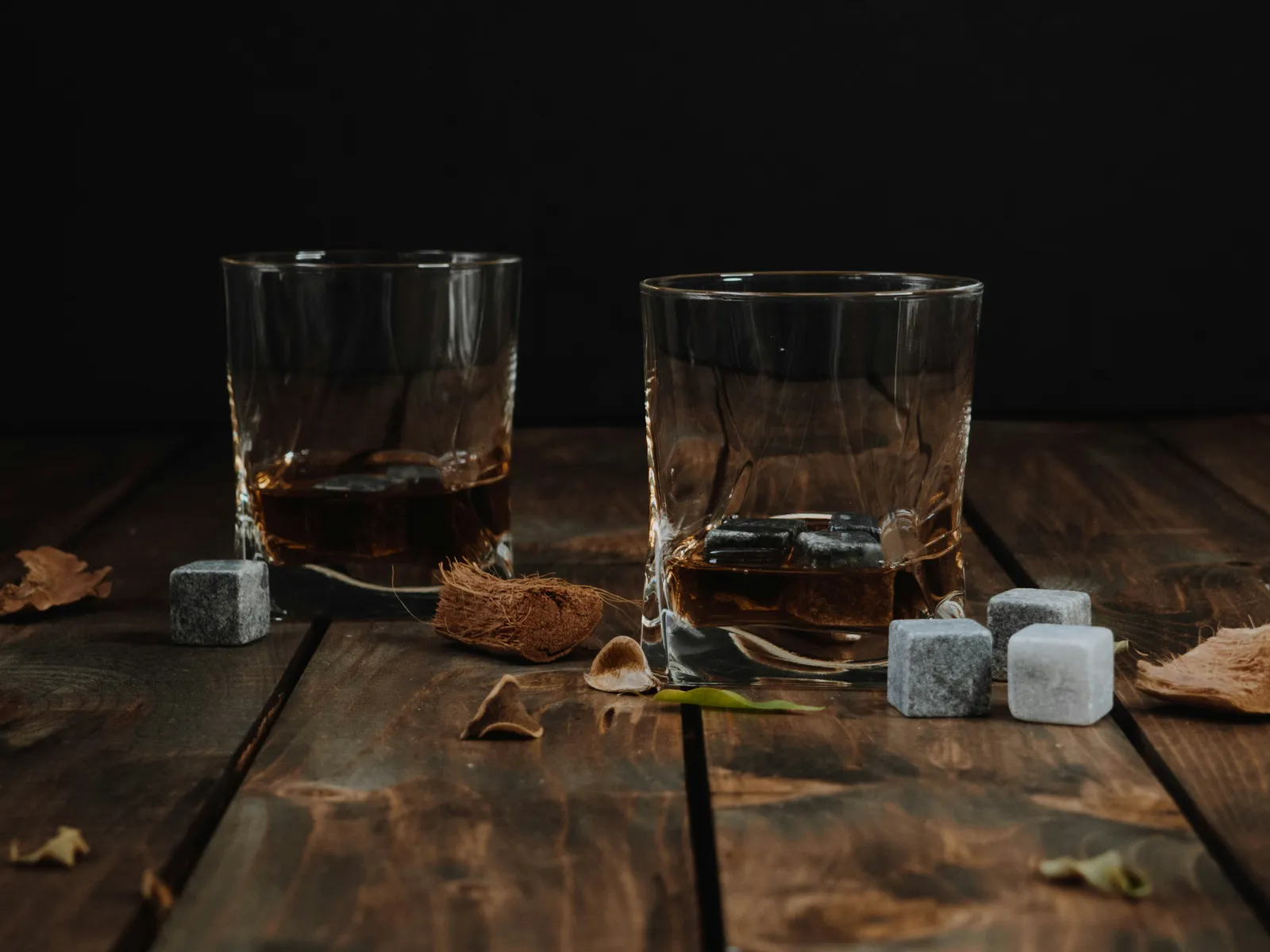
- Whiskey stones. They chill less than a single large ice cube, add no dilution control worth having, and scratch glasses. A tray of big cubes costs $10 and works better.
- 12-piece “whiskey collections.” Nobody needs six shapes for one spirit. Two shapes (three if you highball) cover everything; the rest is cabinet clutter.
- Off-brand tulip glasses. The $6 Glencairn lookalikes are thicker where it matters. The original is $12; buy the original.
- Bourbon-branded anything. As above: it is the same glass with a horse on it.
FAQ
What type of glass is best for whiskey? It depends on the pour. Neat whiskey wants a tulip-shaped Glencairn, whose narrowed rim concentrates aroma. Whiskey on the rocks or an Old Fashioned wants a heavy 10-12 oz rocks glass. Tall whiskey drinks want a highball. No single glass wins all three jobs, which is why a small mixed set beats one of anything.
What is the best glass to drink whisky? For sipping neat, the Glencairn: a tulip bowl tapering to a narrow rim, designed with input from Scotch master blenders and in production since 2001. It concentrates aroma better than any tumbler, costs $10-15, and works for Scotch, bourbon, rye, and Japanese whisky alike. If your whisky usually meets ice, a rocks glass is the better everyday pick.
What is the best brand for whiskey glasses? By tier: Libbey and Anchor Hocking for budget rocks glasses, Schott Zwiesel, Spiegelau, and Riedel for mid-range crystal, Glencairn Crystal for the tasting glass, and Norlan for the giftable showpiece. There is no single best brand; there is a best tier for how you drink and how often glasses break in your house.
What is the most popular whiskey glass? The rocks glass (Old Fashioned, lowball) is the most used, because it handles ice, cocktails, and casual pours. Among enthusiasts, the Glencairn is the most popular tasting glass and the closest thing whiskey has to an official one. Most homes end up with both, and that combination covers nearly everything.
Are expensive whiskey glasses worth it? Mostly no. The whiskey tastes identical in a $4 Libbey and a $100 crystal tumbler; you are paying for weight, clarity, and feel. The two upgrades that earn it: a real Glencairn if you drink neat, and one mid-tier crystal rocks glass as your everyday. Past $25 a glass you are buying looks, which is fine as long as you know it.
Do whiskey glasses actually make a difference? For neat pours, yes, and you can prove it in one evening: pour the same whiskey into a Glencairn and a rocks glass and nose them side by side. The tulip shape concentrates aromatics the open tumbler loses. For iced and mixed drinks the difference mostly disappears, which is why the practical rocks glass owns those jobs.
The bottom line
The best whiskey glasses are a $12 Glencairn for the pours you sip and six sturdy rocks glasses for everything else, with one mid-tier crystal upgrade as your personal everyday glass if you want the nightly ritual to feel better. That full setup costs less than one luxury tumbler, covers every whiskey drink you will actually make, and leaves the rest of the budget where it belongs: in the bottle. When you are ready to build out the rest of the shelf, the 3-glass system explains the shapes, and the bar cart guide covers everything that sits beside them.