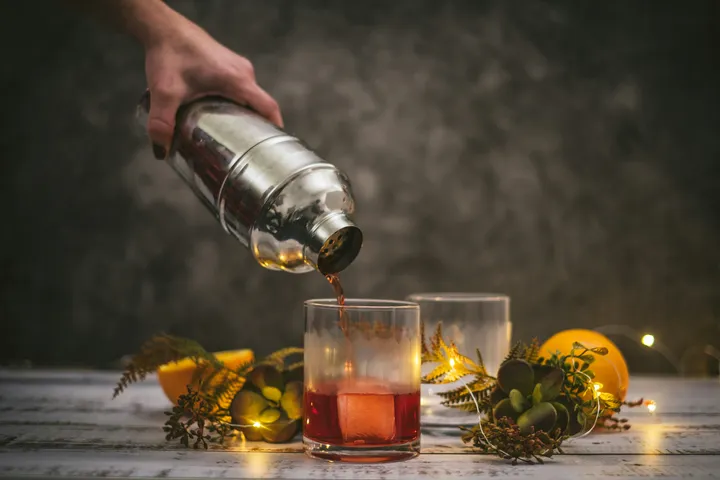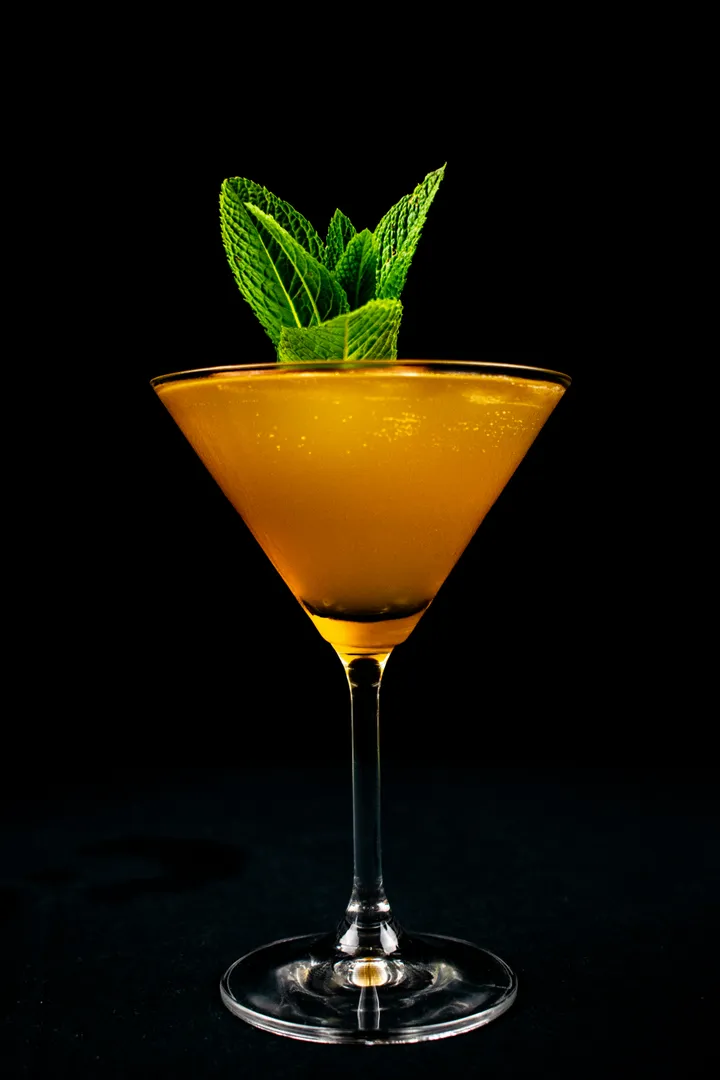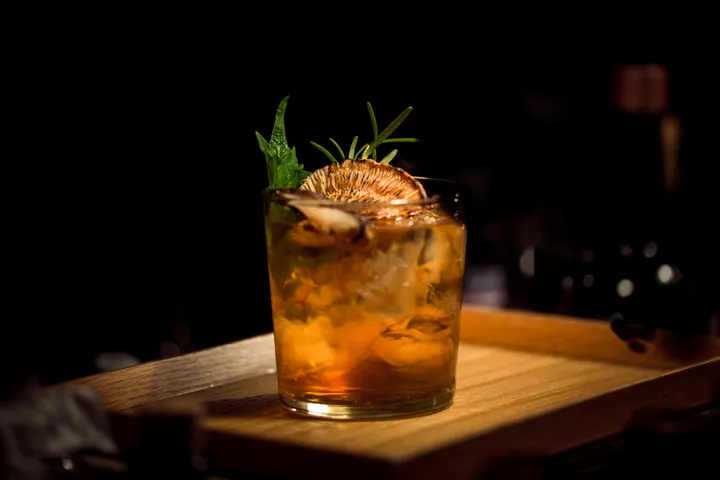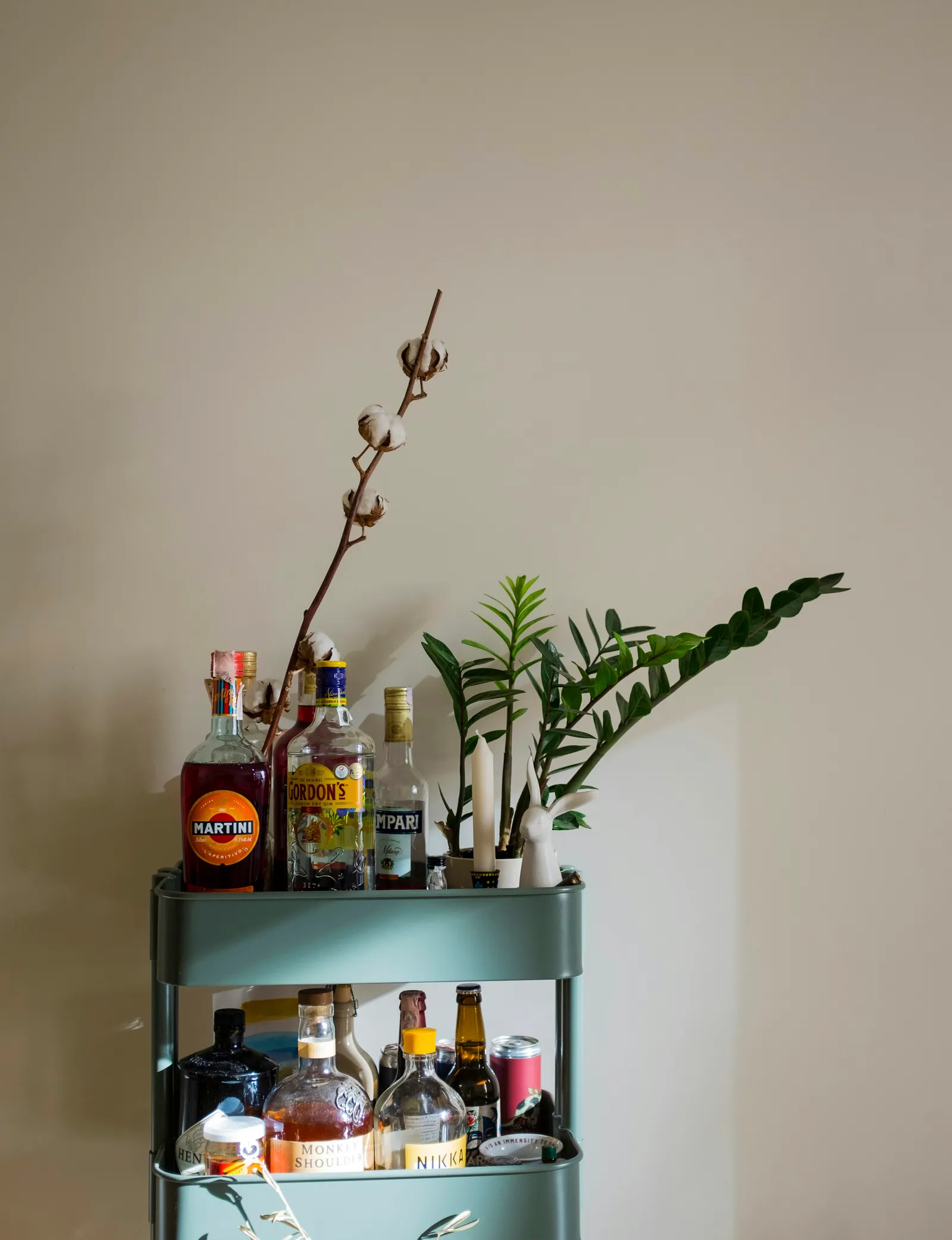
A bar cart is a piece of furniture. Whether it’s a useful piece of furniture depends entirely on what’s on it. Below: the bottles, tools, and glassware that earn their space, the carts worth buying, and the styling rules that actually matter.
TL;DR: the quick answer
- A working home bar fits on one cart: 8 bottles, 4 tools, 6 mixers in the fridge, 2 glass shapes.
- 8 bottles cover ~80% of cocktails: vodka, gin, light rum, tequila blanco, bourbon, sweet vermouth, dry vermouth, Campari or Aperol.
- 4 tools are plenty: jigger, Boston shaker, hawthorne strainer, bar spoon.
- Carts worth buying: Crate & Barrel Libations ($150-180), West Elm Mid-Century ($300-400), or a vintage 1960s brass-and-glass piece if you want the splurge.
- Skip: decorative trays, mirrored shelves, ice buckets, “bar cart kits”, and any cart with a built-in wine fridge.
- You don’t actually need a cart. A console table or a section of a bookshelf works just as well, and the bottles look better against wood than against an open metal frame.
First, do you actually need a cart?
Bar carts get bought for the wrong reason about half the time. People see a styled photo on Pinterest, buy the cart, set up the bottles, then never actually make drinks because pulling everything out of a kitchen cabinet was already easy enough.
Real reasons a bar cart earns its space:
- You make cocktails 2-3 times a week. The friction of opening cabinet doors, pulling out the right bottle, finding the jigger, that adds up. A cart cuts setup from 90 seconds to 15.
- You host monthly or more. Guests can pour their own. The cart becomes a serve-yourself station that takes you out of the bartending bottleneck.
- You don’t have kitchen storage to spare. A small kitchen with no liquor cabinet is the strongest case for a cart.
- You want the cart as a design element. Honest reason. A good cart styled well does anchor a room.
Reasons to skip the cart:
- You make cocktails 2-3 times a year. A shelf in your kitchen cabinet works.
- Your home has small kids or dogs that can knock things over. (Not impossible, just place carefully.)
- You don’t actually drink cocktails, you drink wine and beer. A wine rack and a small fridge serve you better than a cart with bottles you don’t use.
The non-cart alternative most people overlook: a section of a bookshelf or a console table. Bottles look great against wood backgrounds, you don’t pay for the cart frame, and you can rearrange easily. We’d take a thoughtfully-stocked bookshelf shelf over a half-stocked bar cart any day.
The 8 bottles to start
A real home bar isn’t 40 bottles you collected over five years. It’s a small functional set that can make most cocktails most guests will ever order. These eight cover ~80% of common drinks.
Ranked by what you’ll actually use:
- Vodka, every basic mixed drink, vodka soda, espresso martini, cosmopolitan
- Gin, gin and tonic, martini, negroni, French 75
- Light rum, daiquiri, mojito, piña colada, Cuba libre
- Tequila blanco, margarita, paloma, ranch water
- Bourbon, old fashioned, manhattan, whiskey sour
- Sweet vermouth, manhattan, negroni, americano
- Dry vermouth, martini, vesper, manhattan riff
- Campari (or Aperol), negroni, americano, spritz. Aperol if you’re spritz-first; Campari if you’re negroni-first.
Mid-range bottles ($25-35 each) are the sweet spot for almost all of these. Most guests can’t tell premium from mid-range in a mixed drink. Save the splurge for spirits you’ll drink neat.
What we’d skip on the first build:
- Flavored vodka. A small bottle of triple sec gives you margarita and cosmo coverage without committing shelf space.
- Spiced rum. Niche use. Add it once you’ve made a Dark ‘n’ Stormy three times.
- Whiskey other than bourbon. Rye is great but you can fake most rye cocktails with bourbon.
- Mezcal. Buy it second. (Buy it third if you don’t drink it neat.)
- Bitters beyond Angostura. One bottle of Angostura covers nearly everything. Add orange bitters when you want a martini that sings.
- Liqueurs you bought for one cocktail. That bottle of crème de violette for the aviation will sit unused for a decade. Borrow from a friend or buy minis.
For the broader cocktail plan that this bottle list services, see our guide to non-alcoholic vodka mocktails for the sober-curious version.
The 4 tools that earn their space
You can spend $30 on this whole kit and be set:
- Jigger, the double-sided 1 oz / 2 oz one. Get one with .5 and 1.5 oz lines inside.
- Boston shaker, a metal-on-metal two-piece. The cobbler shaker (with the built-in strainer cap) freezes shut and ruins your night.
- Hawthorne strainer, the spring-loaded metal disc. Pairs with the Boston shaker.
- Bar spoon, the long twisted-handle one for stirred drinks.
Optional but useful: a fine-mesh strainer (for double-straining citrus drinks), a citrus juicer (the yellow lemon-press / green lime-press combo).
What we’d skip: muddlers (use the back of a wooden spoon), peelers branded as “bar peelers” (your kitchen one is fine), branded ice molds for $40 (a $10 silicone tray makes a 2-inch cube).
The 6 mixers in the fridge
Always:
- Soda water, for highballs and topping things off. Get the seltzer in a glass bottle if you can; the carbonation is brighter.
- Tonic, for gin and tonics. Fever-Tree or Q are the picks; the supermarket house brand is sweet and flat.
- Ginger beer, for Moscow mules, Dark ‘n’ Stormy, paloma riffs. Get a real ginger beer (Fever-Tree, Bundaberg), not ginger ale.
- Fresh lemons + limes, six of each, replenished weekly. Bottled juice is the single biggest flavor downgrade in a home bar.
- Simple syrup, make your own (1 cup sugar + 1 cup water, stir until dissolved, refrigerate; lasts a month).
That’s six items, ~$25 total at most groceries. Refresh weekly.
Glassware: the 2 shapes you need (plus optional)
Two shapes is enough to start:
- Rocks glass (Old Fashioned), for stirred drinks on ice. Old fashioned, negroni, whiskey on the rocks. Get a heavy-bottomed one. Six of them (our best whiskey glasses picks name the exact ones by budget).
- Coupe, for shaken or stirred up. Martini, daiquiri, manhattan. Sturdier than a martini glass and looks better on a small table. Six of them.
Add later if hosting expands:
- Highball / Collins, for tall mixed drinks (gin and tonic, mule, Tom Collins)
- Wine glass set, covers white, sparkling, and most reds in one shape if you buy a universal (our best wine glasses picks name the ones to buy)
- Champagne flute, only if you host toasts or aperitifs often
- Beer glasses, if your crowd drinks more beer than cocktails; three or four shapes cover every style
- Martini glass, only if you specifically want the V-shape drama
The glassware buy order: rocks → coupes → highballs → universal wine glass. Skip everything else until you genuinely use the first four.
Bar carts worth buying
Best budget: Crate & Barrel “Libations” or similar metal-frame cart ($150-180)
Wheels work, bottles fit, looks clean. The Libations cart is the most-bought entry-level cart for a reason. Available at Crate & Barrel. Similar carts at Wayfair, Target, Overstock for $80-150, the build quality drops slightly but most are fine.
Best mid-tier: West Elm or CB2 mid-century cart ($300-400)
Better materials, real wood top, sturdier welds. The West Elm “Mid-Century” line and CB2’s various walnut-and-brass carts are the sweet spot. From West Elm or CB2 directly.
This is the cart we’d buy if we entertained at a level where the cart matters and we wanted it to last 10+ years.
Best splurge: vintage 1960s brass-and-glass
Buy on Chairish or 1stDibs. Real mid-century brass-and-glass carts from the 60s have presence no reproduction can match. Expect $600-2,000+ depending on provenance.
Skip these
- Anything with mirrored glass shelves. Cracks, smudges constantly, looks dated within five years.
- Anything with a built-in wine fridge. Overheats, breaks, replacement is hard.
- Faux-marble tops. Chip and look cheap once they do.
- Bar cart “kits” that come pre-stocked with cheap bottles. The bottles are bad and the cart is usually worse.
- Acacia or rattan carts for indoor use. Beautiful in a catalog, fragile in a real home.
Setup and styling: the rules that matter
A working bar cart looks intentional, not magazine-shot. Three rules:
- Bottles on one shelf, glassware on another. Mixing them looks busy. Bottles up top (more stable on wheels), glasses below.
- Group bottles by color or family. Clear spirits (vodka, gin, tequila blanco) together. Browns (bourbon, rum, sweet vermouth) together. Bitters and small bottles in the front. The eye reads it as deliberate.
- Leave one prop, max. A small plant, a stack of cocktail napkins, a bowl of citrus. ONE thing. Not three.
What to skip on the styling side:
- Bar tools displayed decoratively. A Boston shaker on a tray is fine; nine bar tools fanned out is theater.
- Vintage cocktail books fanned open. They look like they’re acting.
- Empty decorative bottles. The eye notices.
- Ice bucket on the cart. The ice melts and gets in everything. Keep ice in the kitchen freezer; bring out fresh per drink.
What to skip
- Mirrored back panels. Hollywood Regency moment is over; the smudges are forever.
- Bar carts under 30 inches tall. You’ll stoop.
- Bar carts over 40 inches tall. Bottles tower; drinks feel staged.
- Decorative bar trays. Pretty in photos; useless when you’re actually making drinks.
- More than 12 bottles. Past 12 you’re collecting, not stocking. Move overflow to a closet or kitchen cabinet.
- Buying a cart before you actually drink cocktails at home. Build the bottle/tool/mixer setup on a kitchen shelf first; upgrade to a cart once you know you’ll use it.
A short FAQ
Do I actually need a bar cart? Only if you make cocktails 2-3 times a week or host monthly. Otherwise a kitchen-cabinet shelf works fine.
What should I put on a bar cart? 8 versatile bottles, 4 tools (jigger, Boston shaker, strainer, bar spoon), 2 glass shapes (rocks and coupes). Skip the decorative props.
How tall should a bar cart be? 34-38 inches (counter-height). Below 32 you’re crouching; above 40 it towers.
Are bar carts out of style? No. The mirror-and-gold look is dated; the cart-as-furniture isn’t. Modern walnut, brass, or matte black carts work in any home.
Where should I put a bar cart in my home? Dining-room wall (closest to where you mix), living-room corner near seating, or a kitchen niche. Skip: bedrooms, entryways, anywhere with kid/dog risk.
How a bar cart fits into hosting
A stocked bar cart isn’t the meal. It’s the supporting infrastructure that makes a dinner party easier, guests can pour their own pre-dinner drink, you don’t get stuck behind the kitchen counter making rounds, the room feels finished without effort.
The order to build the home-hosting setup:
- The bar cart (this guide), 8 bottles, 4 tools, 6 mixers, 2 glass shapes
- A glassware set, see the glassware section for the full breakdown
- A non-alcoholic option, every host should have one; see our vodka mocktails guide for the framework
- The dinner-party plan, covered in how to host a dinner party
Once those four are in place, you can host any 6-person dinner with under an hour of setup. The cart is the part that makes drinks effortless; everything else flows from it.
For more on the rest of the home-bar setup, tools, mixers, the mocktail program, see the broader home bar guides or browse the glassware section for the cocktail glasses worth owning.