A 4th of July cookout is the hosting event that goes wrong most often. Not because the food is hard, but because the format is. The host plans 14 dishes, spends the morning prepping six of them, then stands at the grill from 11 a.m. to 6 p.m. while everyone else is in the pool.
The fix isn’t a longer recipe list. It’s a shorter one, executed with the right timing. Seven dishes, six of them prepped the day before, and a grill strategy that fires for 90 minutes total instead of seven hours.
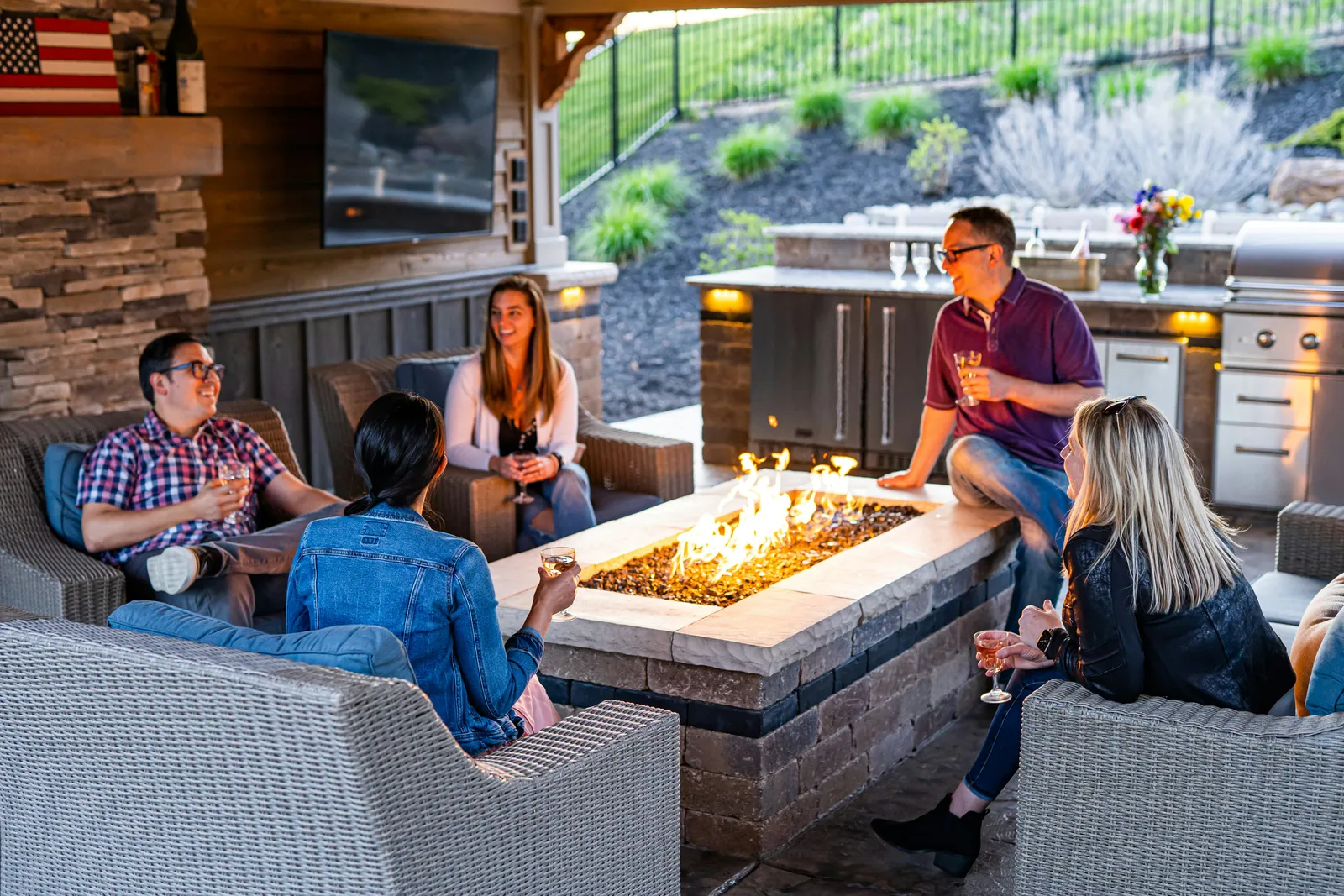
This is the menu framework. The cookout you can actually be at, not just preside over.
TL;DR
Seven dishes, calibrated for 8-20 guests:
- One grilled main (burgers, chicken, or ribs, pick one)
- One cold vegetable side (corn salad, slaw, or grilled-and-cooled vegetables)
- One starch side (potato salad or pasta salad)
- One pre-meal anchor (chips and dip, or a charcuterie board)
- One dessert (ice cream, watermelon, or strawberry shortcake)
- One summer cocktail + a non-alcoholic version
- One reliable kid food (hot dogs, grilled cheese, or pasta)
Six of the seven prep the day before. The grill fires for 90 minutes total, not all day.
Why 50-recipe menus fail at home
Every food blog publishes the same article: “50 Incredible Recipes for Your 4th of July Cookout.” Pioneer Woman has one. Half Baked Harvest has one. Delish has one with thirty-plus links.
Three problems with the 50-recipe format:
1. You can’t actually make 50 dishes. Even half (25) is impossible. A real home host makes 5-8 dishes total at a cookout for 12 people. The “50 recipes” article exists because food blogs need long pages with many internal links, not because anyone hosts that way.
2. The format hides the timing problem. The 50-recipe article doesn’t tell you what to make the day before, what to grill, or how long any of it takes. You scroll, you bookmark, you pick four random dishes that don’t fit together, and you spend the morning of July 4 stressed.
3. The recipes don’t compose. Three different listicles will recommend a watermelon-feta salad, a corn salad with feta, and a tomato-feta caprese. All three on the same table is too much feta. You need a menu, not a recipe pile.
The 7-dish framework solves all of these. You know exactly what to make, exactly when to make it, and the dishes work together.
The 7-dish framework
The seven slots cover every guest expectation at a 4th of July cookout. Skip a slot and the menu feels incomplete. Add a slot and the host gets overwhelmed.
Each slot has one role:
| Slot | Role | Example | Day-of work |
|---|---|---|---|
| 1. Grilled main | The center of the meal | Burgers / chicken / ribs | 30-90 min |
| 2. Cold vegetable | The fresh element | Corn salad, slaw | 0 (made ahead) |
| 3. Starch side | The filling component | Potato salad | 0 (made ahead) |
| 4. Pre-meal anchor | Holds guests until food is ready | Chips + dip, charcuterie | 0 (set out) |
| 5. Dessert | The closing | Ice cream, watermelon | 0-15 min |
| 6. Cocktails | The drinks | Summer cocktail + non-alc | 5 min |
| 7. Kid food | The reliable child option | Hot dogs, grilled cheese | 5-15 min |
Pick one option per slot. Don’t try to do “burgers AND ribs AND chicken.” Don’t make potato salad AND pasta salad. The framework only works if you commit to one per slot.
Dish 1: The grill main (one protein, one rule)
The single most important decision of the menu. Pick one protein and commit. Three options, ranked by hosting friendliness.
Burgers (the easiest)
Burgers grill in 8-10 minutes total. You can make 12 burgers in two batches (6 at a time on a standard grill) in under 25 minutes. Highest throughput-per-stress of any grilled main.
The reliable recipe:
- 80/20 ground beef (the 20% fat is non-negotiable; lean burgers are dry burgers)
- 6 oz patty per person, gently formed (don’t compact the meat, it gets tough)
- Salt and pepper only, on the outside, just before grilling
- Optional: a thumbprint indent in the center to keep the burger from doming
Method:
- Form patties the night before; refrigerate stacked between parchment squares.
- Take patties out 30 minutes before grilling to take the chill off.
- Grill 4-5 minutes per side over direct heat for medium. Don’t press them; pressing squeezes the juice out.
- Top with cheese in the last 90 seconds; close the lid to melt.
- Rest 3 minutes off heat before serving.
Setup: toasted potato buns (toast on the grill for 30 seconds), good ketchup, real mustard, sliced tomato, lettuce, sliced red onion, pickles. Skip “burger sauce” mixes; mayo + ketchup + a dash of pickle juice is the same thing for free.
Chicken (the crowd-friendly option)
Better for a longer cookout because chicken holds at temperature. Bone-in thighs are the most forgiving cut to grill.
Marinade-overnight chicken thighs:
- 12 bone-in skin-on chicken thighs
- 1/2 cup olive oil
- 1/4 cup lemon juice
- 4 cloves garlic, smashed
- 2 tbsp Dijon mustard
- 1 tbsp honey
- Fresh herbs (rosemary, thyme), salt, pepper
Marinate in a zip-top bag overnight. Grill skin-side down over medium heat for 8-10 minutes, flip, cook another 10-12 minutes until internal temp is 165°F. Rest 5 minutes.
The advantage over burgers: you can put all 12 thighs on the grill at once and walk away for 10 minutes.
Ribs (the showstopper)
If you want the cookout to be a “memorable cookout,” ribs are the move. They take longer (4-6 hours) but most of that time is hands-off in the smoker or low oven.
The simplified method:
- Day before: rub ribs with salt, pepper, paprika, brown sugar, and a few other spices. Wrap and refrigerate overnight.
- Day of, T-5 hours: cook ribs in a 275°F oven for 3 hours, wrapped in foil. Yes, the oven, not the grill, the oven is more forgiving and frees the grill for everything else.
- T-2 hours: unwrap ribs, brush with BBQ sauce, transfer to medium grill for 30-45 minutes to caramelize the sauce and add char.
- T-30 minutes: rest ribs, cut into individual ribs, serve.
The advantage: ribs eaten 5 hours after you started cooking them are an experience. The disadvantage: you have to plan the day around the cook.
Skip: brisket and pork shoulder for July 4th. Both are 12+ hour cooks. Use them for a Saturday cookout where you have all day; for July 4th, ribs are the longest cook that makes sense.
Dish 2: The vegetable side (off the grill, cold)
The fresh, cold counterweight to the grilled meat. Made the day before. Sits on the table looking colorful while the protein is being grilled.
The three reliable options:
Corn salad
Peak-season corn (June through September is corn season) makes this dish work. In May or April, skip, frozen corn is okay but doesn’t sing.
Method:
- 6 ears of corn, kernels cut off (raw is fine; the corn cooks in lime juice)
- 1 pint cherry tomatoes, halved
- 1 small red onion, finely diced
- 1 cup feta or queso fresco, crumbled
- 1/4 cup fresh basil or cilantro, chopped
- 1/4 cup olive oil
- 2 tbsp lime juice
- Salt, pepper
Combine, toss, refrigerate. Tastes better after 2-4 hours; holds 24 hours.
Coleslaw
The most hosting-friendly cookout side, ever. Better the day after it’s made.
- 1 small green cabbage, shredded (or 1 bag of pre-shredded slaw mix)
- 2 carrots, grated
- 1 cup mayonnaise
- 2 tbsp apple cider vinegar
- 2 tbsp sugar or honey
- 1 tsp celery seed
- Salt, pepper
Mix dressing, toss with vegetables, refrigerate at least 4 hours. Holds 2-3 days.
Grilled vegetable platter
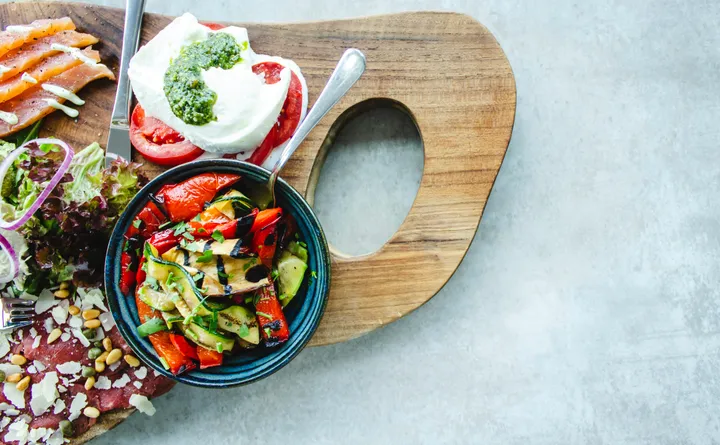
For a more elevated take. Grill zucchini, summer squash, asparagus, peppers, and onions in olive oil and salt the day before; serve at room temperature or cold with a vinaigrette and crumbled goat cheese.
The bonus: any leftover grilled vegetables go directly into a frittata for breakfast on July 5.
Dish 3: The starch side (potato salad, pasta salad, or grilled bread)
Every cookout needs a carb. The 4th of July cookout needs one specifically that doesn’t melt or wilt in the heat. Two options.
Potato salad (the classic)
The one most people picture when they hear “cookout.”
The reliable recipe:
- 3 lbs Yukon gold potatoes, cubed and boiled until tender, then cooled
- 1 cup mayo
- 1/4 cup sour cream
- 2 tbsp Dijon mustard
- 2 tbsp apple cider vinegar
- 4 hard-boiled eggs, chopped (optional)
- 4 stalks celery, finely diced
- 1/2 small red onion, finely diced
- 1/4 cup fresh dill, chopped
- Salt, pepper
Mix gently. Refrigerate 4-12 hours before serving. Tastes better the next day.
Pasta salad (the alternative)
Easier and faster than potato salad if you’re tight on day-before time.
- 1 lb dry pasta (rotini or fusilli, twists hold dressing)
- 1 cup Italian dressing or vinaigrette
- 1 pint cherry tomatoes, halved
- 1 cup mozzarella balls or cubed cheese
- 1/4 cup chopped fresh basil or parsley
- Optional: salami or pepperoni, diced
Make 4-24 hours ahead. Add fresh herbs and dressing 30 minutes before serving so they don’t go limp.
Dish 4: The pre-meal anchor (chips, dips, or charcuterie)
The food guests eat in the first 30-60 minutes while you’re still grilling. Without a pre-meal anchor, hungry guests turn into stressed guests.
The three options:
Chips and dips (the universal)
Three good dips beat one. Set out:
- A tomato salsa (homemade or quality store-bought like El Pinto or Frontera)
- A guacamole (made within 2 hours of serving, with lime to slow browning)
- A French onion dip or spinach-artichoke dip (made the day before)
Plus tortilla chips, pita chips, and crudités (carrots, celery, peppers, cucumber). Set up on a single table, with everything within reach.
A charcuterie board (the elevated option)
The same charcuterie board logic from a winter dinner party works in summer. Cured meats, three cheeses, briny pickles, sweet jam, fresh fruit, crunchy nuts. The 3-3-3 rule applies. See our full charcuterie board guide for the assembly system.
Deviled eggs (the retro)
Twelve deviled eggs disappear in 20 minutes at any cookout. Make them the day before; the egg-and-mayo filling is fine refrigerated overnight.
Dish 5: The dessert (ice cream, fruit, or cake)
The simplest slot. Don’t overthink it.
Ice cream sundae bar (the easiest)
Three flavors of ice cream + four toppings (hot fudge, fresh berries, whipped cream, sprinkles). Set out 20 minutes before dessert time. Guests serve themselves. Done.
Watermelon (the cooling option)
A full watermelon, cubed and chilled, on a platter. Optional: drizzle with lime juice and a few mint leaves; or a “salty watermelon” approach with feta and mint. Costs $5-10 for a watermelon that feeds 12.
Strawberry shortcake (the showstopper)
The most American 4th of July dessert that doesn’t require an oven on July 4.
- Buy good biscuits or shortcake from a bakery (don’t make from scratch on July 4)
- Slice 2 quarts of strawberries; toss with 1/4 cup sugar; let macerate 1-2 hours
- Make whipped cream just before serving (1.5 cups heavy cream + 1/4 cup sugar + 1 tsp vanilla)
- Assemble per plate as guests get dessert: split biscuit, strawberries, whipped cream, repeat
Dish 6: The cocktail (and the non-alc)
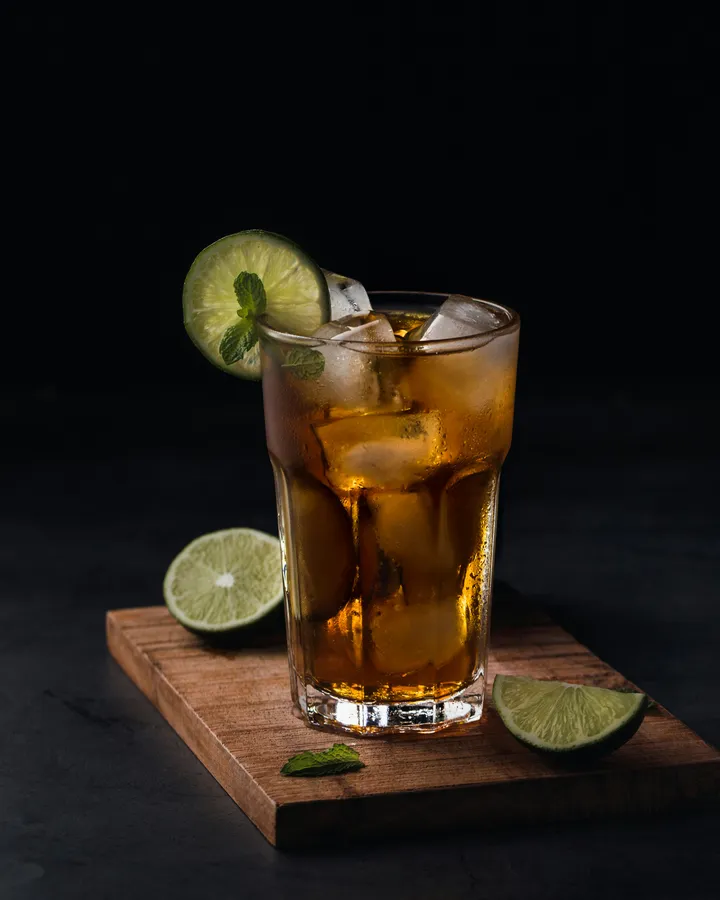
A summer cookout cocktail should be (a) cold, (b) batchable, (c) refreshing, not heavy. Three options that work.
The Paloma (the universal summer cocktail)
Better than a margarita for a cookout because grapefruit juice is more refreshing than lime in 90°F heat.
For a single serving:
- 2 oz tequila blanco
- 4 oz grapefruit soda (Squirt or Jarritos Toronja)
- 1/2 oz fresh lime juice
- Pinch of salt, lime wedge, salt rim
For batching (serves 8): combine 16 oz tequila + 32 oz grapefruit soda + 4 oz lime juice in a pitcher; serve over ice with a salt rim. Add the soda close to serving so it stays bubbly.
A summer punch (the host’s friend)
Same logic as our christmas cocktail recipes framework, a punch handles the first hour while you grill.
- 1 bottle of light rosé wine
- 1 bottle of prosecco
- 1 cup vodka or gin
- 2 cups fresh fruit (strawberries, peaches, melon)
- 1 cup club soda (added at serving)
Combine wine, prosecco, vodka, and fruit in a punch bowl 1 hour before guests arrive. Add ice and club soda just before serving.
The non-alcoholic option
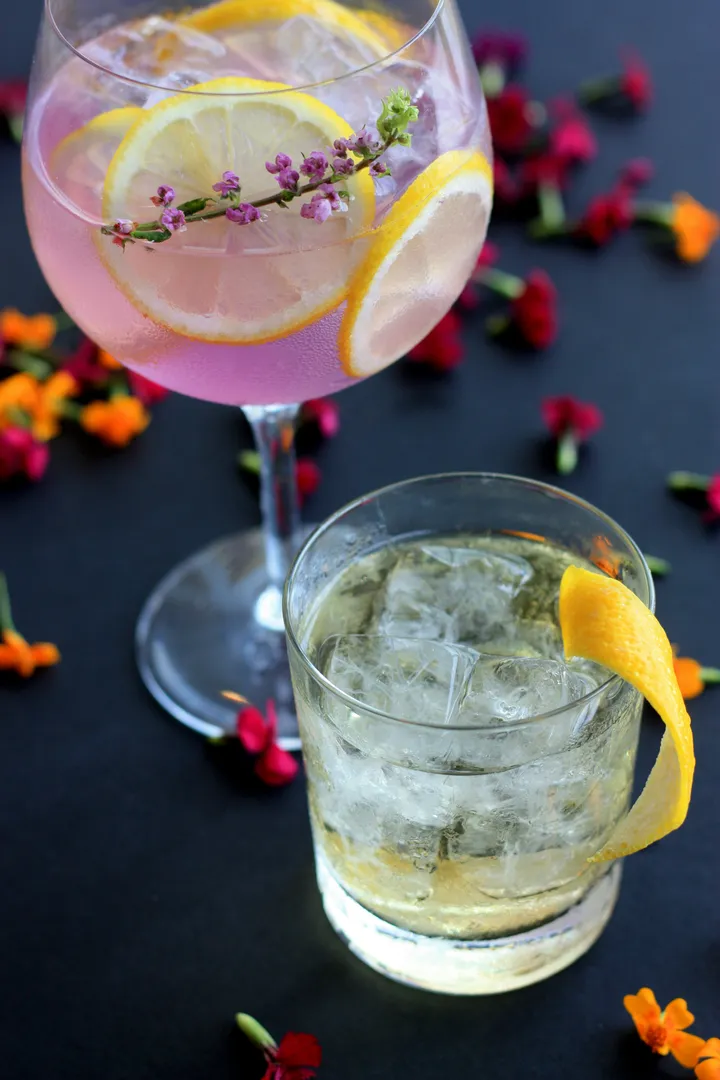
For non-drinking guests: a fresh fruit shrub, a non-alcoholic spritz, or a sparkling lemonade upgraded with fresh herbs.
The simplest non-alc cocktail: 1 oz pomegranate juice + 0.5 oz fresh lime juice + 4 oz sparkling water + a fresh strawberry and mint sprig. Looks identical to the alcoholic option from across the patio; tastes fresh and grown-up. For more options including using non-alc gin or aperitifs, see non-alcoholic spirits.
Dish 7: The reliable kid food
Even at adult cookouts, kids don’t always eat the menu. A backup option keeps everyone fed and prevents 4 p.m. meltdowns.
The reliable picks:
- Hot dogs (separate from any adult sausages). Bring 1.5 dogs per kid plus extras. Plain buns, ketchup, mustard.
- Grilled cheese (premade and held wrapped in foil for warmth). Just cheese in white bread; no fancy options.
- Fruit and pretzels as the snack version.
- Plain pasta with butter for the kids who object to everything else (a small portion microwaved or held warm in a thermos).
Avoid spicy food, ribs (too messy), anything assembled at the table. Kids want food they can hold and eat in 90 seconds.
The day-of timeline
The whole point of the 7-dish framework: the host actually enjoys the cookout. Here’s the timeline that makes that real.
Day before:
- Make potato salad or pasta salad (better the next day)
- Make slaw or corn salad
- Marinate any chicken or rib rub
- Make any dips (French onion, spinach-artichoke)
- Form burger patties (if doing burgers); refrigerate stacked
- Bake or buy biscuits/shortcake
- Mix cocktail base if batching
Morning of, T-4 hours:
- Take meat out of fridge to come up to temp
- Set up the table outside (or wherever you’re serving)
- Charge phone, set out drink station
- Cut watermelon if serving
- Cut macerated strawberries (for shortcake)
T-2 hours:
- Set out chips and dips
- Pour first cocktails
- Fire grill (gas: light it; charcoal: light coals 30 min before grilling)
T-90 minutes (when guests arrive):
- Greet guests, hand them a drink
- Direct them to chips and dips
- Sit down for 30 minutes before starting the grill main
T-60 minutes:
- Start grilling main protein
- For burgers: grill in 25 minutes, hold under foil
- For chicken: grill in 25 minutes, holds at temp under foil
- For ribs: pull from oven, finish on grill 45 min, slice
T-15 minutes:
- Set out cold sides (potato salad, slaw, corn salad)
- Slice the protein, plate
- Refill cocktails
Eating: sit down. The host eats. The host did the work yesterday and this morning, and now sits and eats.
T+90 minutes after eating: dessert. Ice cream sundae bar self-serves; watermelon is set out on a platter; strawberry shortcake assembles per guest.
The grill should fire for 30-45 minutes for burgers/chicken, or 45-60 minutes for ribs (after the oven phase). Not 7 hours.
What to skip
A short list of common 4th of July cookout patterns that don’t earn their effort.
- Multiple grilled meats. Pick one. Three different proteins doubles your prep time and triples your timing risk.
- Homemade ice cream made on July 4. Buy good ice cream (Jeni’s, Salt & Straw, Häagen-Dazs vanilla bean). Save your time for the grill.
- A “build-your-own-burger bar” with 14 toppings. Three toppings is enough. Five is generous. Fourteen is hosting cosplay.
- Smoking a brisket on July 4. A 12-hour smoke that has to be timed for a 5 p.m. dinner means the host wakes up at 5 a.m. on a holiday. Save brisket for a Saturday with no other obligations.
- Themed red-white-and-blue everything. Red, white, and blue paper plates, napkins, tablecloths, and cupcake liners is too much. Pick one element (just napkins, or just cupcake decoration) and let the rest be neutral.
- Sparkler-shaped cake decorations or anything with literal flag imagery. Ages the table. Skip in favor of fresh berries and mint.
- Trying to make pies on July 4. Pies are a Memorial Day or Labor Day project, not a July 4 project. Buy them, or skip.
- Three kinds of homemade pickles. Buy one good jar of bread-and-butter pickles. Move on.
A short FAQ
What is a good 4th of July menu?
The 7-dish framework: one grilled main, one cold vegetable, one starch side, one pre-meal anchor, one dessert, one cocktail with a non-alcoholic option, and one kid-friendly option. The classic version: burgers + corn salad + potato salad + chips and dip + watermelon + Palomas + hot dogs.
What foods are popular on July 4th?
Hot dogs (Americans eat 150 million on July 4 alone), hamburgers, ribs, BBQ chicken, corn on the cob, potato salad, coleslaw, watermelon, ice cream, and apple pie. The classic combination: a grilled meat + a starch + corn + watermelon + dessert.
What’s a good 4th of July appetizer?
Chips and dip (salsa, guacamole, French onion dip), a charcuterie board, watermelon-feta salad with mint, deviled eggs, or grilled shrimp skewers. The best appetizers are eaten with one hand, standing up, guests are usually outside, drink in the other hand. See charcuterie board for the assembly system.
Can I prep most of this the day before?
Yes. Potato salad, pasta salad, coleslaw, dips, marinades, dessert components, all hold or improve overnight. Same-day work is mostly the grilling itself, plus fresh-cut watermelon and finishing assembled dishes.
How much meat per person at a cookout?
For burgers: 6 oz raw per person (cooks down to about 5 oz). Plan 1.5 burgers per adult, 1 per kid. For chicken: 8-10 oz raw bone-in per adult, 4-6 oz per kid. For ribs: about 1 lb raw per adult (for half racks, half a rack per person). Always make 15-20% extra; cookout food gets eaten more enthusiastically than dinner-party food.
What’s the right ratio of cocktails to non-alcoholic options at a cookout?
For cookouts of 8-12 adults: plan 2-3 alcoholic drinks per drinking guest over a 4-hour window, plus 4-6 non-alcoholic options per non-drinking guest plus extras. Always have meaningful non-alcoholic options that aren’t just water; non-drinkers and designated drivers will reach for the second drink and you want it to be something good.
How do I host a cookout without being chained to the grill?
Three rules: grill one protein only, prep everything else the day before, and use the grill in two short bursts (not all day). The host who sits down with guests is the host. The host stuck at the grill is just a cook.
For sibling holiday menu frameworks, see christmas cocktail recipes and mother’s day brunch ideas. For the broader hosting infrastructure, see how to host a dinner party. For the bar gear that makes summer cocktails faster, see bar cart and cocktail shakers.