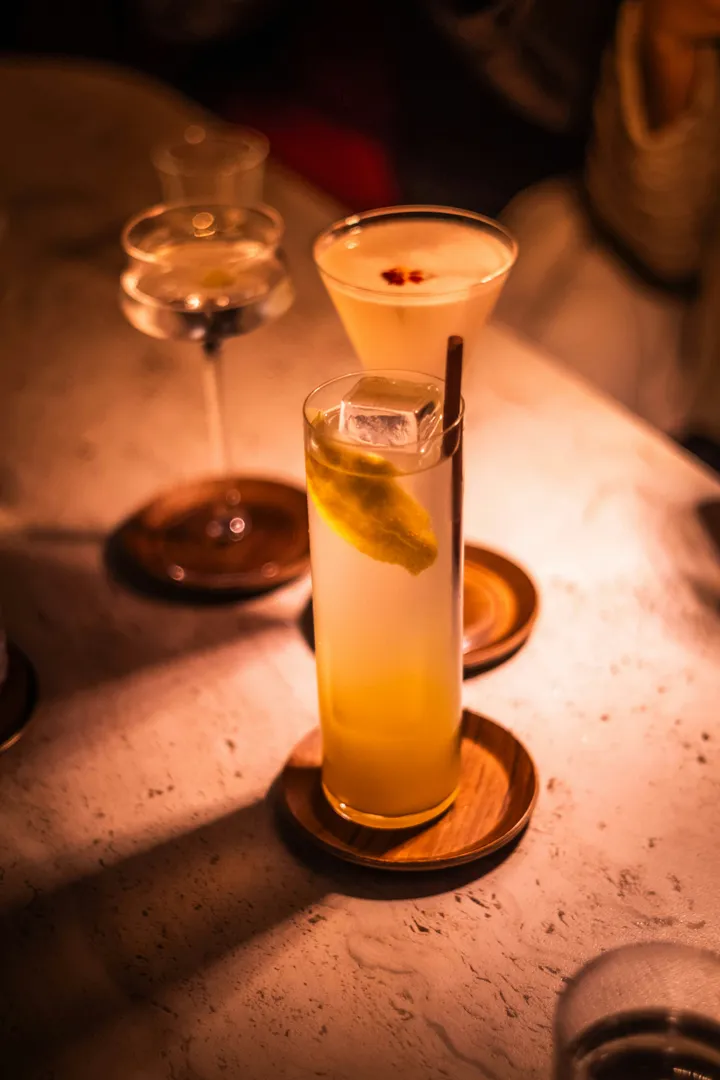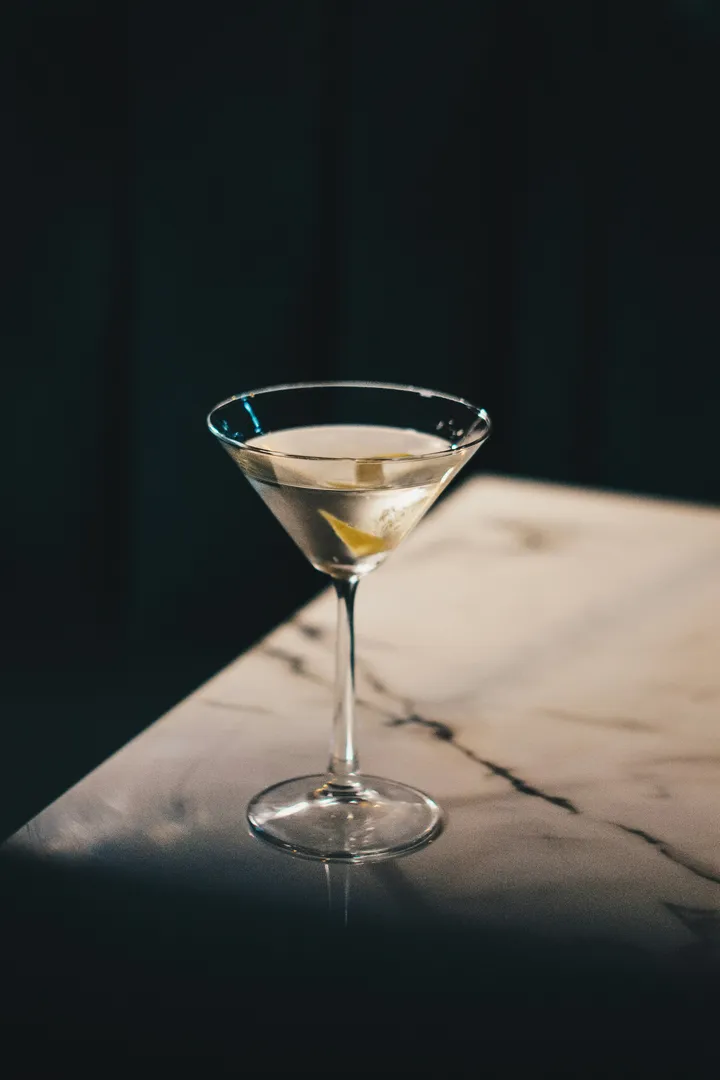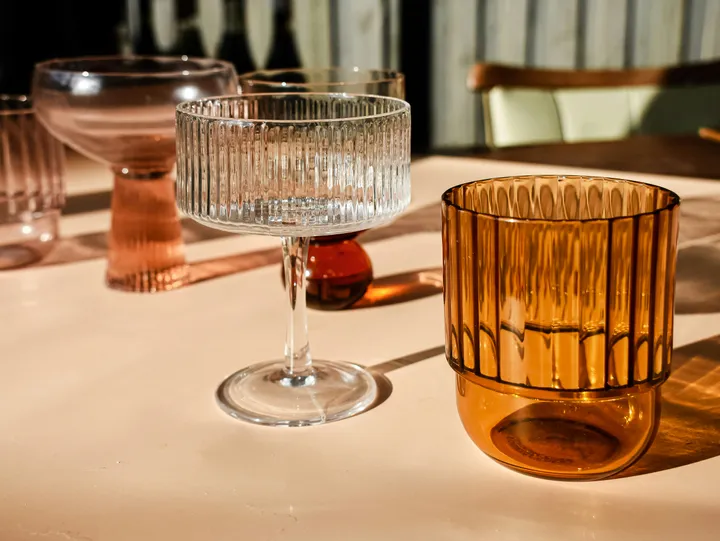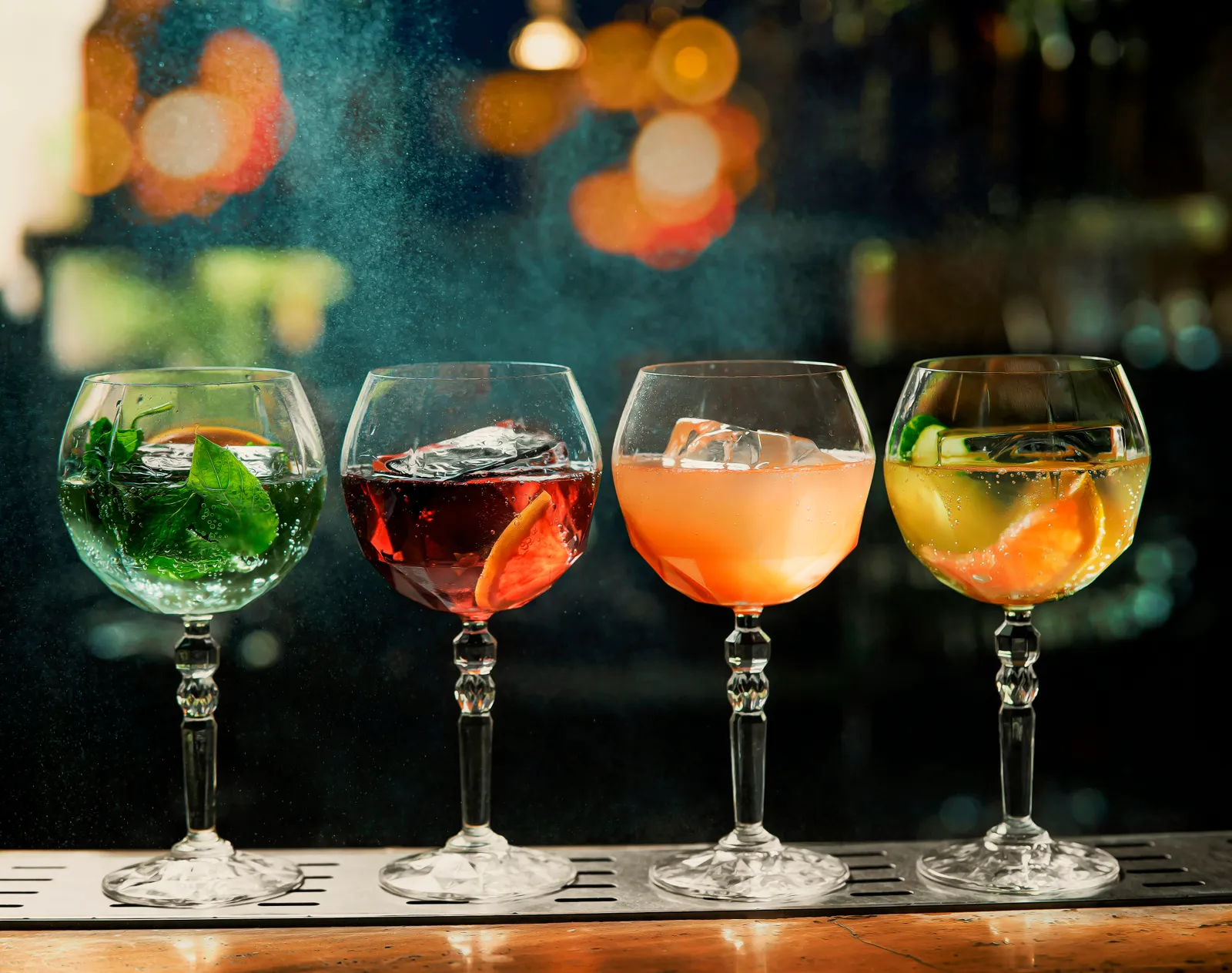
Most guides to cocktail glasses are really shopping lists in disguise: twenty glass shapes, each presented as something your home bar is missing. The truth is that you need about four or five, and the rest are specialists for a single drink. This guide sorts the types of cocktail glasses by what you actually need, explains why each shape exists (it is function, not decoration), and tells you honestly which ones to skip.
If you have ever stood in a store wondering whether you really need a separate margarita glass, this is the guide that gives you a straight answer.
Who this is for
You are setting up a home bar, or filling in the gaps in one, and you want to buy the right glasses once instead of accumulating a cabinet of shapes you use twice a year. You care about why a drink goes in a particular glass, not just that it does. You would rather have four glasses you reach for constantly than fifteen that mostly gather dust.
TL;DR: the cocktail glasses you actually need
- A rocks glass (old-fashioned, lowball): spirits over ice, stirred drinks. The most-used glass in most homes.
- A highball (or Collins): tall, fizzy, ice-filled drinks like a gin and tonic or mojito.
- A coupe (or a martini glass): drinks served up, with no ice, like a daiquiri or martini.
- A wine glass: the everyday multitasker, also good for spritzes and sangria.
- A champagne flute (optional fifth) if you pour sparkling often.
Everything else (margarita, hurricane, mule mug, snifter, shot) is a specialist you only need if you make that specific drink. Buy these few in sets of six and you can host almost anything. Our free Dinner Party Checklist covers the rest of the hosting kit.
Why the glass shape actually matters
Glass shape is not just style. Each one does a job, and once you see the logic, the whole category makes sense.
The big variables are temperature, dilution, aroma, and spill. A stem keeps your warm hand off a drink that is meant to stay cold, which is why drinks served up (chilled, no ice) go in stemmed glasses. A wide, heavy tumbler is built to hold a big ice cube and take a stir without tipping. A tall, narrow glass keeps a fizzy drink carbonated longer and holds more ice for a long pour. A narrow opening concentrates aroma toward your nose; a wide one lets it open up.
So when you put an Old Fashioned in a rocks glass and a martini in a coupe, you are not following etiquette for its own sake. You are matching the drink to the shape that keeps it at the right temperature and in the glass. That is the through-line for everything below.
The two families: stemmed vs. tumbler
One simple way to hold all of this in your head is to split cocktail glasses into two families.
Stemmed glasses (coupe, martini, Nick and Nora, wine glass, flute) are for drinks where temperature is the priority. The stem keeps your hand off the bowl, so a drink served up with no ice does not warm from your grip, and a chilled glass stays chilled. If a drink is shaken or stirred cold and then strained, it almost always lands in something stemmed.
Tumblers (rocks, highball, Collins) are for drinks built over ice, where the glass needs weight and capacity more than a stem. You hold the glass directly because the ice, not your hand, is what is keeping it cold. If a drink has ice in it, it almost always goes in a tumbler.
Get those two instincts and you can place most cocktails in the right glass without memorizing a single rule.
The glasses you actually need
These four (or five) cover the overwhelming majority of cocktails. If you buy only these, you are set.
The rocks glass (old-fashioned, lowball)
A short, wide tumbler with a heavy base. The three names are the same glass: rocks, old-fashioned, and lowball all describe the short tumbler, and a “double rocks” is just a taller version with more room.
The wide mouth and weighty base exist to hold a large ice cube and survive a stir without tipping. It is the home for spirit-forward, stirred drinks: the Old Fashioned, Negroni, whiskey on the rocks, a Sazerac. It is the glass most home bars reach for most often. For the deeper dive on this category, see our guide to whiskey glasses.
The highball (and the Collins)
A tall, straight-sided glass. The highball and the Collins are close cousins: the Collins is typically a touch taller and narrower, but for home purposes they are interchangeable, and one tall glass covers both (see the full highball vs collins glass breakdown).
The height is the point. It holds plenty of ice and keeps tall, fizzy, built-in-the-glass drinks carbonated: a gin and tonic, a mojito, a Tom Collins, a Paloma, a rum and Coke. If you make anything long and bubbly, this is the glass. Our highball glass guide goes deeper on sizes and picks.
The coupe
A stemmed glass with a shallow, rounded bowl. The coupe is the modern default for cocktails served up, meaning shaken or stirred cold, then strained into the glass with no ice: a daiquiri, a sidecar, a gimlet, a French 75. The stem keeps your hand off the bowl so the drink stays cold, and the rounded shape is far less likely to slosh than a pointed martini glass.
A bit of honest history, since it comes up: the coupe is an old champagne glass that fell out of fashion when flutes took over, then came back as the go-to cocktail glass. (You may have heard the story that the bowl was molded on Marie Antoinette’s chest. That is a charming myth with no real evidence behind it, so enjoy the tale but do not repeat it as fact.) Our coupe glasses guide has more.
The wine glass
The everyday multitasker. Beyond wine, a standard wine glass is the right call for spritzes, sangria, a big-batch punch portion, and any low-proof, refreshing drink. Most homes already own these, which is exactly why they belong on the need-list: one glass, many jobs.
The champagne flute (optional fifth)
Tall and narrow, designed to slow the escape of bubbles and show off the rising stream. If you pour sparkling wine often, it earns a spot. If you do not, know that plenty of bars now serve sparkling and champagne cocktails in a coupe or a tulip-shaped glass instead, so you can skip the flute and lose nothing. Our champagne flutes guide covers when each makes sense.
Nice to have
Useful if you make certain drinks often, but not essential.
The martini glass
The iconic V-shaped cone on a stem. It is built for the same job as the coupe (drinks served up), but the sharp angle makes it notoriously easy to spill, which is exactly why most bars quietly switched to coupes and Nick and Noras for served-up drinks. Keep a martini glass if you love the look or make a lot of actual martinis; otherwise a coupe does the same job with less mess. See our martini glasses guide.
The Nick and Nora
A stemmed glass with a small, rounded, tulip-ish bowl, named after the cocktail-loving couple in The Thin Man. It is the low-spill modern alternative to both the coupe and the martini glass: enough capacity for an up drink, a shape that does not slosh, and a slightly more contained pour. Bartenders love it. It is a nice-to-have rather than a need only because a coupe covers the same ground.
Specialist glasses (skip unless you make that one drink)
These each exist for essentially one drink. There is no shame in skipping all of them. (If you want to fall down the rabbit hole of every glass shape ever made, Wikipedia’s list of glassware catalogs far more than any home bar will ever use.)
- Margarita glass: the wide, stepped bowl is really for frozen and blended margaritas. A margarita on the rocks is happy in a rocks glass, and one up works in a coupe, so most people do not need the dedicated glass.
- Hurricane glass: the tall, curvy glass for tiki and blended tropical drinks (the Hurricane, pina colada). Only worth it if tiki is your thing.
- Copper Moscow mule mug: genuinely functional, since the metal keeps the drink frosty, but it makes exactly one drink. A highball works in a pinch.
- Snifter: the short-stemmed, wide-bowled glass that concentrates aroma for brandy, aged rum, and whiskey meant to be nosed. A specialist for sipping spirits, not mixed drinks.
- Shot glass: useful as a utility measure even if you never serve shots, so this is the one specialist worth owning regardless.
Cocktail glasses at a glance
| Glass | Best for | Why the shape | Do you actually need it? |
|---|---|---|---|
| Rocks / old-fashioned | Stirred, spirit-forward drinks over ice | Wide and heavy for a big cube and a stir | Yes, the workhorse |
| Highball / Collins | Tall, fizzy, ice-filled drinks | Tall and narrow keeps fizz and holds ice | Yes |
| Coupe | Drinks served up (no ice) | Stemmed, rounded bowl resists spills | Yes |
| Wine glass | Wine, spritzes, sangria, punch | All-purpose bowl | Yes, you likely own them |
| Champagne flute | Sparkling wine, champagne cocktails | Narrow to preserve bubbles | Optional |
| Martini | Drinks served up | Iconic cone (spills easily) | Nice to have |
| Nick and Nora | Drinks served up | Small rounded bowl, low spill | Nice to have |
| Margarita | Frozen or blended margaritas | Wide stepped bowl | Skip (use rocks or coupe) |
| Hurricane | Tiki and blended tropical drinks | Tall curvy bowl | Skip unless tiki |
| Mule mug | Moscow mule | Copper keeps it cold | Skip (single drink) |
| Snifter | Brandy, aged sipping spirits | Wide bowl concentrates aroma | Skip unless you sip spirits |
| Shot | Shots, and as a measure | Small and sturdy | Optional (useful as a jigger) |
How to choose (and buy once)
A few principles save you money and cabinet space.
Start with the core set. Buy rocks, highball, and coupe glasses first, in the count you actually host for (a set of six is the usual sweet spot). Add a wine glass set if you do not already have one, and a flute set only if you pour bubbles.
Spend on the ones you use most. A simple way to think about tiers: budget is a sturdy, dishwasher-safe set from a kitchen store, which is the right call for the rocks and highball glasses you use daily and occasionally break. Mid-range gets you cleaner lines and better clarity, worth it for the coupe you bring out for guests. Splurge, fine crystal with a thin rim, genuinely feels better to drink from and is worth it only if you will hand-wash and baby it.
Heavier is better for everyday. A weighty base on a rocks glass takes a stir and a knock; thin decorative glasses look nice and chip fast. For glasses that live in daily rotation, durability beats delicacy.
And if you are just starting out, do not feel you have to buy anything at all to make a good drink tonight. A short juice glass stands in for a rocks glass, any tall glass works as a highball, and a wine glass covers almost everything served up. Buy the proper shapes as you figure out which drinks you actually make, not all at once to fill a shelf. The glass improves the experience at the margins; the drink itself does the heavy lifting.
Once you have the glasses, the rest of the kit (a shaker, a jigger, a bar spoon) lives in our cocktail shakers guide and the bar cart setup. And if you want drinks to put in these glasses, our bourbon cocktail recipes and gin cocktail recipes are a good place to start. If beer is more your speed, the types of beer glasses guide sorts out those shapes with the same approach.
Caring for your cocktail glasses
A few habits keep glassware clear and unchipped, which matters more on the glasses you actually use than on any single fancy purchase.
Hand-wash the thin and the stemmed. Coupes, Nick and Noras, and anything fine-rimmed survive longest washed by hand in warm, soapy water. The dishwasher is fine for sturdy rocks and highball glasses, but heat and jostling are what cloud and chip delicate bowls over time. Stems snap most often in a crowded dishwasher rack, so give them space or wash them separately.
Dry and polish while warm. Glasses dried in the air or left to sit often end up with water spots and a dull film, especially in hard-water areas. Buff them with a lint-free cloth right after washing, holding the bowl rather than torquing the stem, and they stay clear.
Store them right side up if the rim is delicate. Storing glasses upside down protects the rim from dust but can chip a fine edge against the shelf. For everyday tumblers, upside down is fine; for thin crystal coupes, store them upright or hang stemware from a rack. None of this is fussy, it just keeps the glasses you reach for looking like new.
What to skip
The glassware advice that costs you money and shelf space:
- Buying one of every shape. The maximalist “fifteen glasses every bar needs” approach fills a cabinet with single-use glasses. Four or five types make almost everything.
- The dedicated margarita glass. Unless you blend frozen margaritas regularly, a rocks glass or coupe covers it.
- A flute if you rarely pour bubbles. A coupe handles sparkling cocktails, and many bars prefer it anyway.
- Delicate decorative glasses for everyday drinks. They chip and break. Save the fine crystal for the drinks you serve slowly.
- Matching every glass to a “correct” cocktail rule. The shape matters for temperature and spill, but no one will mind if your Negroni shows up in a different tumbler. Use what keeps the drink cold and in the glass.
A short FAQ
What are the different types of cocktail glasses called? The core ones are the rocks glass (old-fashioned, lowball), highball (and Collins), coupe, martini glass, Nick and Nora, wine glass, and champagne flute. The specialists are the margarita, hurricane, mule mug, snifter, and shot glass.
What kind of glasses are used for cocktails? A rocks glass for stirred drinks over ice, a highball for tall fizzy drinks, a coupe or martini glass for drinks served up, and a wine glass as the everyday all-rounder cover the vast majority of cocktails.
How many cocktail glasses do I actually need? Four to five types: rocks, highball, coupe (or martini), wine glass, and optionally a flute. Buy each in the count you host for rather than one of every shape.
What is the difference between a coupe and a martini glass? Both serve drinks up, but the coupe has a rounded bowl and the martini glass has the spill-prone V-cone. Most bars now use the coupe (or a Nick and Nora) for served-up drinks; the martini glass is kept mostly for its looks.
What is a rocks glass? A short, wide, heavy-based tumbler (also called an old-fashioned or lowball) made for spirits over a big ice cube and stirred, spirit-forward cocktails like the Old Fashioned and Negroni.
What’s next
You do not need a cabinet full of glassware to make great drinks. A rocks glass, a highball, a coupe, and a wine glass will carry almost everything you pour, and you can add a flute or a specialist or two as your drinks demand. Buy the few you will actually use, in sets, and spend the savings on better ice and better spirits.
When you are ready to go deeper on any one glass, the guides to coupe glasses, martini glasses, highball glasses, whiskey glasses, and champagne flutes take it from here.