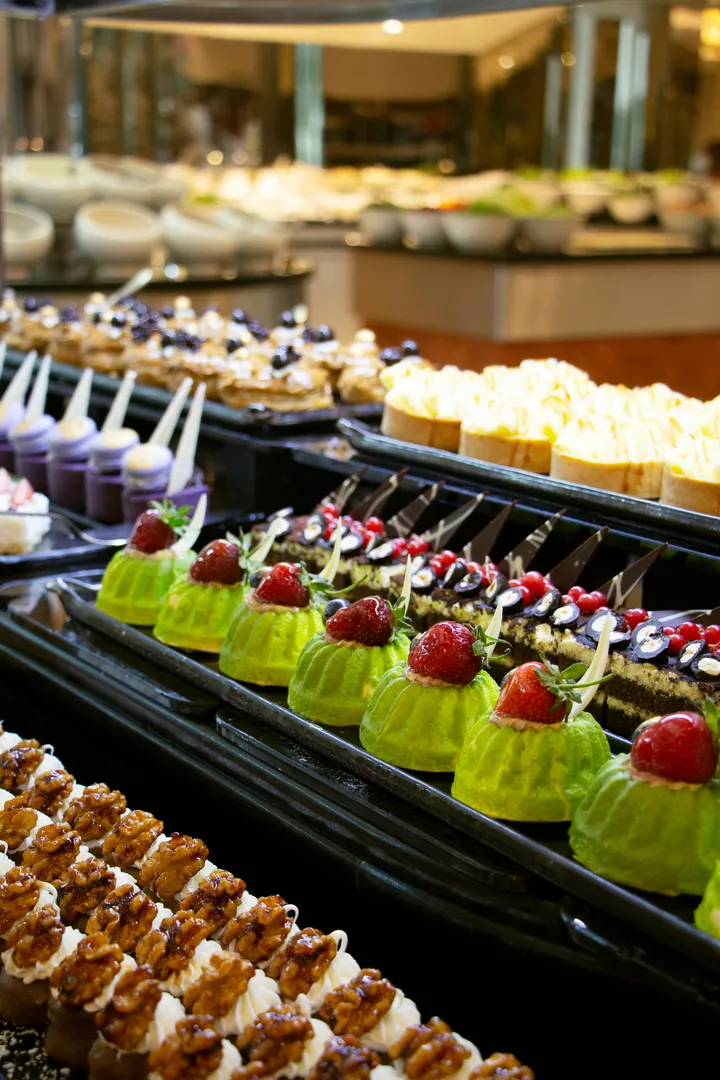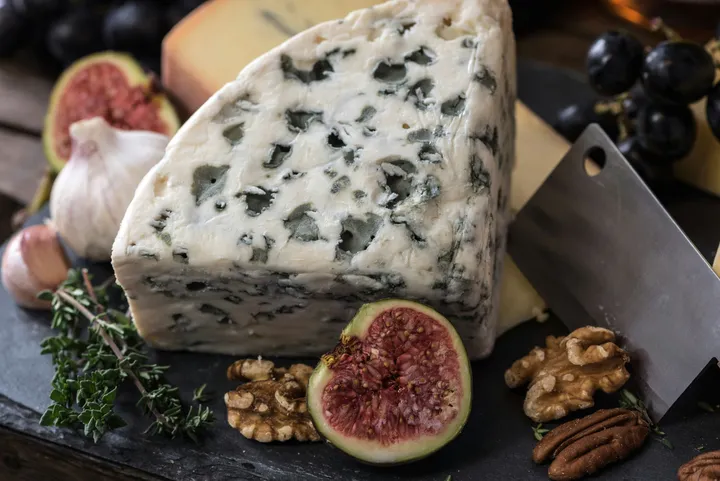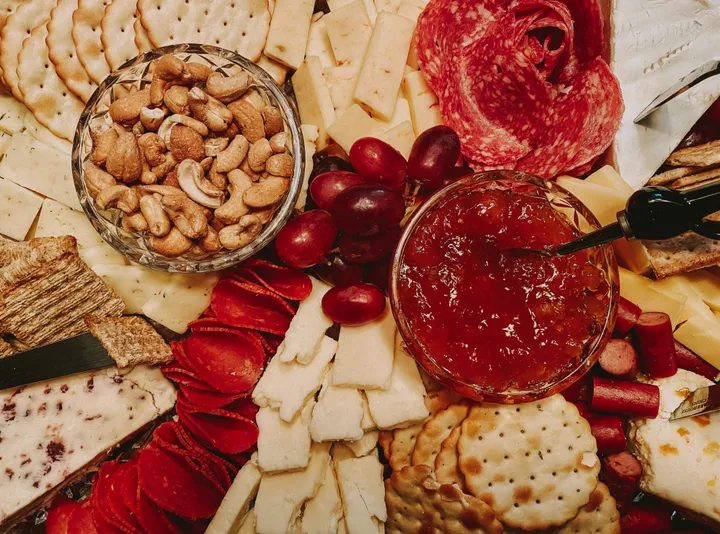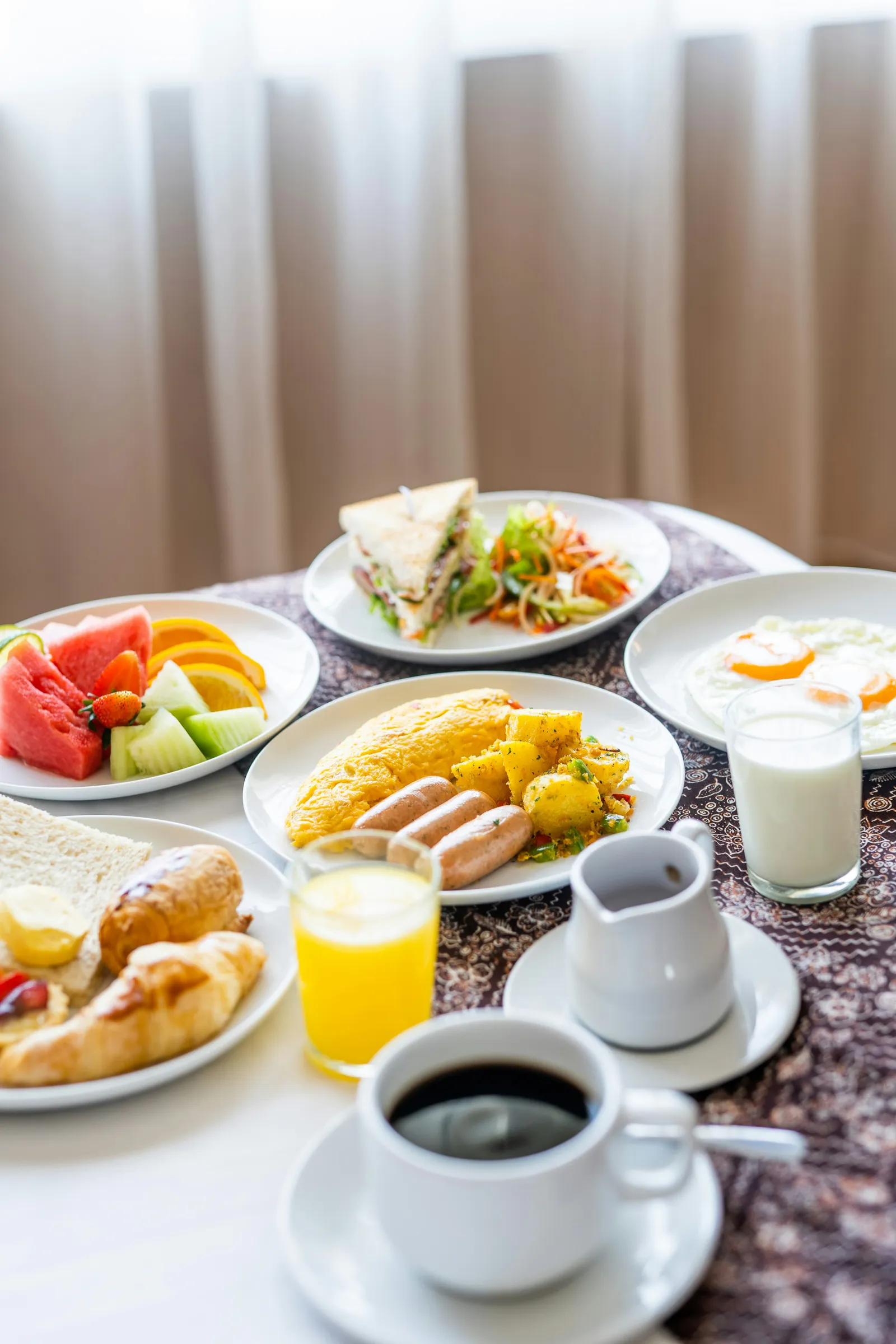
A breakfast charcuterie board is the easiest way to make brunch feel like an occasion without cooking ten separate things. You arrange bacon, eggs, pastries, fruit, and a few spreads on one big board, set it in the middle of the table, and let everyone graze. It works for a holiday morning, a bridal shower, a lazy weekend with friends, or any time you want to feed a crowd breakfast without running a short-order kitchen.
The catch is that almost every breakfast charcuterie board guide stops at a pretty photo and a list of ingredients, and skips the two things that actually decide whether it works: how much food to buy for your headcount, and how to keep the hot items hot and the eggs safe while the board sits out. This guide gives you the real spread, the exact per-person math for 4 to 12 guests, the make-ahead and keep-warm plan, savory and sweet and kid-friendly versions, and an honest list of what to skip.
Who this is for
You are hosting brunch or a breakfast gathering and want one generous centerpiece instead of a stovetop full of pans. Maybe it is Christmas morning, a baby or bridal shower, or a weekend with houseguests. You want it to look abundant and taste good, and you do not want to be flipping eggs while your guests are already eating.
This is the morning member of our charcuterie family. If you want the full method behind any board, start with our charcuterie board guide; for a bigger crowd, the grazing table scales the same idea up, and for the sweet end of the day, the dessert charcuterie board is the after-dinner cousin.
TL;DR: the breakfast charcuterie board plan
- Build from 6 categories: protein, carb, fruit, something creamy, something sweet, a savory accent. Hit all six and it feels complete.
- Do the math: about 2 eggs, 2 to 3 pieces of bacon, 1 to 2 carbs, 1 cup of fruit, and a couple sweet bites per guest. The table below scales it for 4, 6, 8, and 12.
- Keep hot and cold separate. Hot items (bacon, sausage) sweat onto pastries and warm up the dairy. Give them their own corner and add them last.
- Mind the clock. Eggs, dairy, and cooked meat should not sit out more than 2 hours (1 hour if it is above 90 degrees).
- Make-ahead is most of the work. Boil eggs, cut fruit, and portion spreads the night before. Cook the hot stuff and assemble in the morning.
- Balance savory and sweet so it is a real meal, not a pastry pile. Have a healthy and a kid-friendly path.
For a drink to go with it, a self-serve mimosa bar pairs perfectly with a breakfast board and frees you from pouring. Want a printable countdown for the whole morning? Our free Dinner Party Checklist adapts cleanly to a brunch.
Why a breakfast board is trickier than a cheese board
A regular charcuterie board is all shelf-stable, room-temperature food: cured meat, hard cheese, crackers, dried fruit. It can sit out for hours and look the same. A breakfast board cannot, and that is what every guide glosses over.
First, half of it is hot. Bacon, sausage, and any egg you want warm start cooling the second they hit the board, and they give off steam that softens the pastries next to them. So you cannot build a breakfast board an hour ahead and walk away the way you can with cheese and salami.
Second, half of it is perishable. Eggs, yogurt, cream cheese, and cooked meat are exactly the foods that are not safe to leave out indefinitely. The guidance is simple: perishable food should not sit out more than 2 hours, dropping to 1 hour above 90 degrees, per FoodSafety.gov. That changes how you stage the board.
Get those two things right and a breakfast board is genuinely easy, which is the whole appeal. The same do-the-prep-ahead instinct from our guide to hosting a dinner party is what makes it run itself.
What goes on a breakfast charcuterie board (the 6 categories)
Strip away the styling and a good breakfast board is six categories. Hit all six and it reads as a complete meal instead of a snack plate:
- A protein. Bacon, breakfast sausage links or patties, soft-boiled or hard-boiled eggs, deviled eggs, or smoked salmon.
- A carb. Mini bagels, croissants, toast points, English muffins, or mini pancakes and waffles (served dry, syrup on the side).
- Fresh fruit. Berries, grapes, melon cubes, sliced citrus, figs. The color and the freshness that cut through the rich stuff.
- Something creamy. Yogurt (in a small bowl), cream cheese, butter, or whipped ricotta.
- Something sweet. Mini muffins, pastries, jam, honey, maple syrup in a small pitcher, chocolate hazelnut spread.
- A savory accent. Cheese (a soft brie, cubed cheddar), avocado, sliced tomato, or smoked salmon if it is not your protein.
The next sections cover how much of each to buy and how to keep the hot and cold items where they belong. If you want the classic guideline for variety, the 3-3-3 rule from our main charcuterie board guide maps onto breakfast cleanly: three proteins, three creamy or sweet anchors, three carbs or fruits.
How much to buy: breakfast board quantities by guest count
This is the part no competitor publishes, and the part that actually stresses a host. These are practical planning amounts for a breakfast charcuterie board as the main meal. If it is one of several dishes, scale down by about a third.
| Guests | Eggs | Bacon / sausage | Carbs (bagels, pastries) | Fresh fruit | Sweet bites | Yogurt / spreads |
|---|---|---|---|---|---|---|
| 4 | 8 | ~1 lb | 6-8 | ~4 cups | 8 | 2 small bowls |
| 6 | 12 | ~1.5 lb | 9-12 | ~6 cups | 12 | 2-3 bowls |
| 8 | 16 | ~2 lb | 12-16 | ~8 cups | 16 | 3 bowls |
| 12 | 24 | ~3 lb | 18-24 | ~12 cups | 24 | 4 bowls |
A few notes on the math. Plan on about 2 eggs, 2 to 3 pieces of bacon or sausage, 1 to 2 carbs, roughly 1 cup of fruit, and a couple of sweet bites per guest over a relaxed brunch. Build slightly long on fruit and pastries, because they are cheap and they always get eaten, and exact on the proteins, which are the costly part. A standard 1-pound package of bacon is about 16 strips, and a dozen eggs covers 6 people as a main. For a board that is one item on a bigger brunch spread, this is more food than you need; cut it back.
How to build it (the assembly order)
Arrange the board so the hot and perishable items can go on last and the rest can be set ahead. Work in this order:
- Place the bowls first. Yogurt, jam, butter, and syrup go in small bowls or ramekins. Setting these first gives the board structure to build around.
- Add the big anchors. A pile of bagels or croissants, a cluster of pastries, a wedge or stack of cheese. These are the visual weight.
- Fill with fruit. Berries and grapes flow into the gaps and add color. Fruit is your filler; it makes the board look generous for little money.
- Add the hot proteins last, in their own zone. Bacon, sausage, and warm eggs go on right before serving, grouped in one area away from the pastries so steam does not soften them.
- Finish with garnish and tools. A few sprigs of herbs, then little tongs and spoons so guests are not using their fingers in the shared yogurt.
The principle: cold and shelf-stable items can be staged early, hot and perishable items go on at the last minute. Keep the wet things (yogurt, syrup) in bowls so they never run across the board. This is the same build-outward logic behind our grazing table, scaled to a single board.
The make-ahead and keep-warm plan
A breakfast board is mostly a make-ahead project, which is the trick to actually enjoying your own brunch.
The night before:
- Hard-boil the eggs (or prep deviled eggs and refrigerate).
- Wash and cut all the fruit; store it covered.
- Portion yogurt, cream cheese, jam, and butter into their serving bowls and cover them.
- Gather the board, the small bowls, and the tongs so you are not hunting for them at 8 a.m.
The morning of:
- Cook the bacon and sausage. To hold them warm, keep them on a sheet pan in a 200 degree oven until the moment you assemble, which keeps them hot at a food-safe temperature without overcooking.
- Warm the pastries and bagels briefly.
- Assemble: cold and shelf-stable items first, then the hot proteins right before serving.
For keeping hot items hot through a longer brunch, the food-safety target is to hold them at 140 degrees or above; a warming tray or that low oven does the job. And remember the limit: once eggs, dairy, and cooked meat are out on the board, they should be put away or refreshed within 2 hours. That window is not arbitrary: per the USDA, bacteria in the 40 to 140 degree danger zone can double in as little as 20 minutes. If your brunch runs long, set out half and replenish from the fridge rather than letting everything sit.
Savory, sweet, healthy, and kid-friendly versions
The six-category framework flexes to fit the crowd. A few easy variations:
- Savory board. Lead with eggs, bacon, sausage, smoked salmon, avocado, sliced tomato, cheese, and bagels with cream cheese. Keep the sweet to a small corner of jam and fruit. This is the better choice for a hungry, adult crowd.
- Sweet board. Lean into mini muffins, croissants, pastries, mini pancakes, fruit, yogurt with granola, honey, and chocolate spread. A few strips of bacon keep it from being all sugar. Good for a shower or a kid-heavy table.
- Healthy board. Greek yogurt, granola, lots of fresh fruit, hard-boiled eggs, whole-grain toast, nut butter, and avocado. Skip the pastries or keep them minimal. Color does the heavy lifting.
- Kid-friendly board. Mini pancakes, fruit skewers, cheese cubes, mini muffins, scrambled-egg bites, and a bowl of yogurt for dipping. Keep pieces small and hand-held, and skip anything drippy.
You do not need a separate board for dietary needs on a mixed table; just label a clearly gluten-free or dairy-free cluster (fruit, eggs, bacon, nut butter) so those guests can build a plate without asking.
What to serve with it
A breakfast board is a centerpiece, not the whole table. Round it out with:
- A drink station. A self-serve mimosa bar is the natural pairing and lets guests pour their own. Add coffee and a juice or two.
- One hot side, if you want. A single egg casserole or a sheet-pan of roasted potatoes turns the board into a fuller meal without much extra work.
- A bigger brunch menu. If you are building a whole spread, our bridal shower brunch menu and Mother’s Day brunch ideas fit a breakfast board right in as the showpiece.
What to skip
Half of a good breakfast board is leaving things off. Skip these:
- Runny or raw eggs left to sit out. Soft, jammy eggs are lovely fresh, but a board of barely-set eggs sitting at room temperature for an hour is a food-safety problem. Use hard-boiled or deviled eggs if the board will sit.
- Anything syrupy or saucy poured onto the board. Syrup goes in a small pitcher on the side, never drizzled across the food. Same for honey and chocolate spread; keep them in bowls.
- Hot items crowded against the pastries. Steam from warm bacon and sausage turns croissants and bagels soft and sad. Give the hot zone its own space.
- Twenty tiny garnishes. Edible flowers, three kinds of microgreens, a forest of herb sprigs. They take up space and nobody eats them. A few sprigs is plenty.
- A full stack of pancakes or waffles as the main. They go cold and gummy on a board. Mini pancakes served dry with syrup on the side work; a drippy short stack does not.
- Letting it sit past 2 hours. The most common mistake. Perishable items out longer than 2 hours should be refreshed or put away. Replenish in batches for a long brunch.
FAQ
What do you put on a breakfast charcuterie board? Six categories: a protein (bacon, sausage, eggs), a carb (bagels, croissants, mini pancakes), fresh fruit, something creamy (yogurt, cream cheese), something sweet (muffins, jam, honey), and a savory accent (cheese, smoked salmon, avocado). Keep hot items in their own zone and the perishable items cold.
How much food do you need? As the main meal, plan on about 2 eggs, 2 to 3 pieces of bacon, 1 to 2 carbs, 1 cup of fruit, and a couple of sweet bites per guest. For 4 people that is roughly 8 eggs, a pound of bacon, 6 to 8 pastries, and 4 cups of fruit; scale up from the table above.
What is the 3-3-3 rule? A popular starting guideline, not an official rule: three proteins, three creamy or cheese elements, and three accompaniments. For breakfast, read it as three proteins, three creamy or sweet anchors, and three carbs or fruits. A floor for variety, not something to obsess over.
Can you make it ahead of time? Mostly. The night before, boil eggs, cut fruit, and portion spreads into bowls. The morning of, cook the bacon and sausage, warm the pastries, and assemble, adding the hot items last so they do not sit and cool.
What are 5 things to avoid? Runny eggs left out, anything syrupy poured on the board, hot items crowded against pastries, too many tiny garnishes, and letting perishable food sit out longer than 2 hours.
What this earns you
A breakfast charcuterie board is the rare brunch move where the easy version and the impressive version are the same: six categories, the right amount of each, hot things kept hot and cold things kept cold. Do the prep the night before, add the bacon last, and you get a generous centerpiece that lets you sit down and eat with your guests instead of working the stove.
If you like the board format, it runs through our whole charcuterie board cluster, from the grazing table for a crowd to the dessert charcuterie board for the other end of the day, or the all-vegetable veggie platter. Same method, different ingredients.