A mimosa bar is the rare party trick that does double duty: it gives guests a fun, build-your-own moment, and it gets you, the host, out from behind the bottle. Set it up, point people to it, and go back to being at your own brunch instead of pouring drink number forty.
The catch is that most mimosa bar guides stop at “set out some juice and champagne” and leave you guessing on the part that actually stresses a host: how much to buy. This guide gives you the real setup, the bubbly and juices worth buying, how to keep it all cold through a long brunch, a make-ahead plan, and the exact bottle and juice math for 10, 20, or 30 guests.
Who this is for
You are hosting a brunch, a bridal or baby shower, a holiday morning, or a birthday, and you want the drinks to run themselves. You want it to look inviting without becoming a craft project, and most of all you want to buy the right amount so you neither run dry at hour one nor end up with a case of warm prosecco. If that is you, the math section below is the part to bookmark.
A mimosa bar pairs naturally with a bridal shower brunch menu or a Mother’s Day brunch, sits right next to a breakfast charcuterie board as the food, and it slots into the wider plan in our how to host a dinner party guide.
TL;DR: the mimosa bar plan
- Three things guests combine: chilled dry sparkling wine, a few juices, and fruit garnishes.
- Buy brut prosecco or cava, not Champagne. You are mixing it with juice, so the expensive bottle is wasted.
- Orange juice is the staple. Buy about twice as much OJ as any other juice, and offer 3 to 5 juices total.
- The math: about 6 to 8 mimosas per bottle, about 2 ounces of juice per drink, roughly 2 drinks per guest. (Full table below.)
- Keep it cold. Bottles need 3 to 4 hours in the fridge, then live in an ice bucket on the table.
- Make it ahead, but never pre-mix. Mixed mimosas go flat. Prep the parts, let guests pour.
- Offer a no-proof option so non-drinkers and younger guests can build a drink too.
Our free Dinner Party Checklist timeline folds the bar setup into the rest of your morning.
What is on a mimosa bar
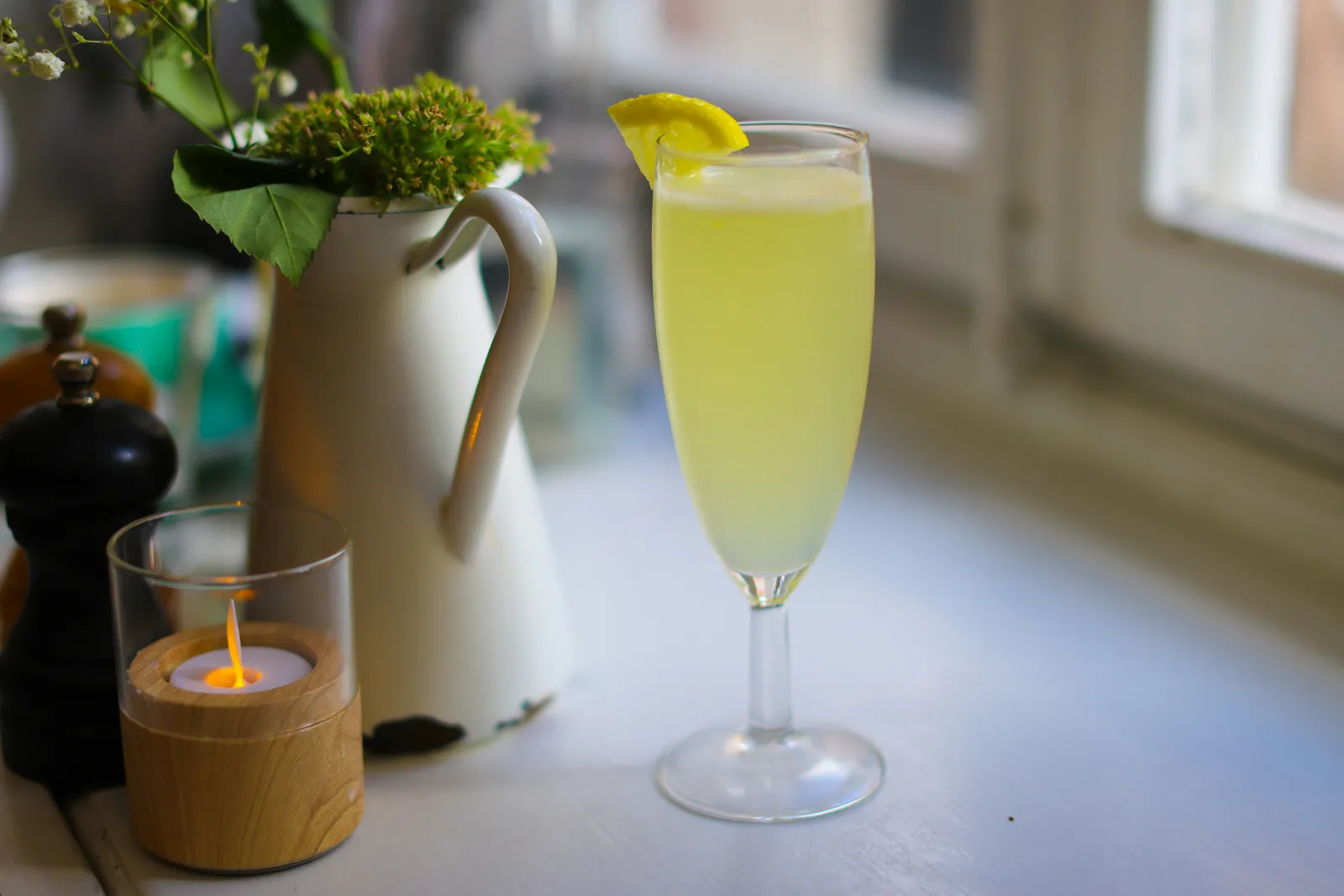
At its simplest, a mimosa is sparkling wine and chilled juice, and a mimosa bar is just that, broken into parts so guests assemble their own. You are setting out:
- The bubbly: chilled dry sparkling wine, the base of every drink.
- The juices: orange plus a few others, in clear carafes.
- The garnishes: fresh fruit and herbs to drop in.
- The glassware: champagne flutes (or a stand-in, more on that below).
- The cold: an ice bucket or tub so nothing goes warm.
- The extras: small labels, napkins, and a no-alcohol option.
Get those six right and the bar runs itself. The rest of this guide is how to choose and how much to buy.
The bubbly: what to actually buy
The single most common mimosa bar mistake is overspending on the wine. A mimosa is sparkling wine cut with juice, so the nuance of a good Champagne is lost the second the orange juice hits it. Buy accordingly.
Reach for a brut (dry) prosecco or cava in the budget-to-mid range. Brut matters: the juice already brings sweetness, so a sweeter “extra dry” or “demi-sec” bottle tips the drink into cloying. Prosecco is the easy crowd default, fruity and soft; cava is a touch drier and a little cheaper by the bottle, and it holds up just as well. Both come in at a fraction of Champagne’s price, which is the point when you are buying eight bottles.
Skip actual Champagne unless someone specifically wants a straight pour, and skip the sweetest sparkling wines entirely. If you want one tier of “nicer,” buy a slightly better prosecco for the people who like a splash of bubbly on its own, and keep the everyday bottles for mixing.
The juices
Orange juice is non-negotiable and it is what most guests reach for, so it is the one to over-buy: plan on about twice as much OJ as any other juice. From there, two to four more juices give variety without turning the table into a science fair.
Good options that mix well with dry bubbly:
- Cranberry (tart, festive color)
- Grapefruit (the slightly bitter, grown-up choice)
- Pineapple (tropical, sweet)
- Peach nectar or puree (the classic Bellini move)
- Pomegranate (deep color, tart)
- Mango (rich and sweet)
Three to five juices total is the sweet spot. Pour each into a clear carafe or pitcher so guests can see the color and so refills are easy. On ratio, the common pour is about one part juice to two parts sparkling wine, but this is a build-your-own bar, so let people go heavier on juice or bubbly as they like. A small card suggesting “fill a third with juice, top with bubbly” is all the instruction anyone needs.
Garnishes and extras
Garnishes are where a mimosa bar earns its looks, and they happen to be cheap. Set out small bowls of:
- Berries: raspberries, blackberries, sliced strawberries (they bob and look great in a flute).
- Citrus: thin orange wheels or twists, a few lime wheels.
- Herbs: mint sprigs, and rosemary if you have it.
- Frozen fruit: frozen berries or grapes double as garnish and ice, chilling the drink without watering it down.
A few small extras finish the station: cocktail napkins, a tiny spoon or tongs for the fruit, and small labels or tent cards naming each juice. You do not need a custom sign or a balloon arch. The food and the flutes carry it.
The glassware
The traditional glass is the champagne flute, and its tall, narrow shape is not just for looks: it preserves the bubbles longer, which is exactly what you want in a drink that sits while people chat. Our guide to champagne flutes covers the shapes worth owning. If you need to buy a stack for a crowd, our best champagne glasses roundup has flutes from about $2.50 a glass.
If you would rather a wider, more vintage look, a coupe works too, though the open bowl lets the fizz go faster, so it suits a drink-it-now crowd more than a lingering brunch. For a big or casual party, sturdy stemless glasses or even good disposable flutes are fine, and they save you washing fifty glasses.
On quantity: if guests are pouring more than one drink each, you do not need a glass per drink, but you do want a glass per guest plus a handful of spares. For 20 guests, plan on having around 24 to 30 flutes available, whether owned, borrowed, or disposable.
How much to buy: the host math
This is the part other guides skip, so here is the whole thing in one place. The planning assumptions, stated plainly:
- Per mimosa: about 3 to 4 ounces of sparkling wine plus about 2 ounces of juice (a flute holds roughly 5 to 6 ounces).
- Per bottle: one 750 ml bottle (about 25 ounces) makes about 6 to 8 mimosas.
- Per guest: plan on about 2 drinks across a 2-hour brunch.
Adjust up for a longer party, a boozier crowd, or a celebration like a bridal shower where the bar is the main event. With those assumptions, here is what to buy:
| Guests | Sparkling wine | Juice (total) |
|---|---|---|
| 10 | 3 to 4 bottles | about 1.5 quarts |
| 20 | 5 to 7 bottles | about 2.5 quarts |
| 25 | 7 to 9 bottles | about 3 quarts |
| 30 | 8 to 10 bottles | about 1 gallon |
Make about half the juice orange and split the rest across your other two or three options. And always round the bubbly up: a sealed bottle keeps for the next brunch, but running out at the halfway mark is the one failure guests notice. If you want to keep the morning easygoing for everyone, the NIAAA’s standard-drink guide is a useful reminder of what a serving actually is, and pacing with food and water keeps a daytime party pleasant.
Setting it up and keeping it cold
A mimosa bar lives or dies on temperature. Warm prosecco is flat, foamy, and sad, so cold is the whole job.
Chill the bottles in the fridge for at least 3 to 4 hours before the party, or overnight. For service, do not rely on the fridge across the room: set the working bottles in an ice bucket or a tub of ice and water right on the table, and keep the backups in the fridge to swap in. Juices go in carafes that you can nest in a larger bowl of ice, or just refill from cold bottles in the fridge.
For the layout, line it up in the order a guest moves: glasses first, then bubbly, then juices, then garnishes, then napkins at the end. That flow keeps two or three people from colliding at the table. Open bottles only as you need them rather than uncorking everything at once, so the last pours are still lively.
Make-ahead for the morning of
The bar saves you time only if most of it is done before the first guest arrives. Here is the plan.
- The day before: Chill all the bottles. Make any fruit purees (peach, strawberry, mango). Gather the flutes, carafes, ice bucket, and labels. Buy the ice.
- The morning of: Slice the citrus and rinse the berries. Fill the juice carafes and return them to the fridge. Set the table in serving order. Write the labels.
- 30 minutes before: Fill the ice bucket, set out the first bottles and the juice carafes, and put out the garnishes. Done.
The one rule that overrides all of this: do not pour mixed mimosas in advance. They lose their bubbles within an hour and you cannot get them back. Prep every component, and let the combining happen at the table.
A no-proof mimosa bar
A good host gives non-drinkers a real drink, not a sad glass of plain juice, and at a morning party there are often more of them than you expect: pregnant guests, designated drivers, kids, anyone not drinking before noon. The fix is simple: set out sparkling cider or a plain club soda or sparkling water next to the prosecco, so a non-drinker builds the exact same drink with the exact same juices and garnishes.
Sparkling cider gives the closest mimosa-like result; club soda keeps it lighter and less sweet. Either way, give it its own labeled bottle and its own spot so it is obvious and not an afterthought. For more ideas in this direction, our mocktail recipes and non-alcoholic spirits guides cover building zero-proof drinks that feel like the real thing.
What to skip
The mimosa bar mistakes worth avoiding:
- Expensive Champagne for mixing. It is wasted under orange juice. Buy brut prosecco or cava and spend the savings on more bottles.
- Pre-mixed mimosas. They go flat fast. Set out the parts, never the finished drink.
- Warm bubbly. Chill for hours, then keep bottles on ice during service. This is the one that ruins a bar.
- Too many juices. Five is plenty. A table of ten half-empty carafes is clutter, not generosity.
- Sweet sparkling wine plus sweet juice. Two sweets make a syrupy drink. Keep the wine dry (brut).
- Forgetting the non-drinkers. A no-proof option is not optional at a daytime party.
- A glass shortage. Count guests plus spares before the morning of, and have disposables as backup.
A short FAQ
What does a mimosa bar consist of? A self-serve station of chilled dry sparkling wine, a few juices led by orange, and fruit garnishes, plus flutes, ice to keep it cold, labels, and a non-alcoholic sparkling option. Guests combine their own.
What kind of juice do you put in a mimosa bar? Orange juice as the staple (buy about double), plus two to four others such as cranberry, grapefruit, pineapple, peach, or pomegranate. Three to five total.
How many bottles of champagne do you need? About 6 to 8 mimosas per 750 ml bottle and roughly 2 drinks per guest: so about 3 to 4 bottles for 10 guests, 5 to 7 for 20, 7 to 9 for 25, and 8 to 10 for 30. Round up, and use brut prosecco or cava.
How much juice do you need? About 2 ounces per mimosa, so roughly 1.5 quarts for 10 guests, 2.5 quarts for 20, 3 quarts for 25, and close to a gallon for 30. Make about half of it orange juice.
Can you set up a mimosa bar ahead of time? Prep the parts ahead (chill bottles, fill juice carafes, slice fruit) but never pour mixed mimosas in advance, because they go flat. Combine at the table.
What’s next
A mimosa bar is one of the easiest ways to make a brunch feel like an occasion while doing less work, not more. Buy dry and inexpensive bubbly, lead with orange juice, use the math above so you buy the right amount, keep everything cold, and let guests pour their own. That is a drinks plan that runs itself while you actually enjoy your party.
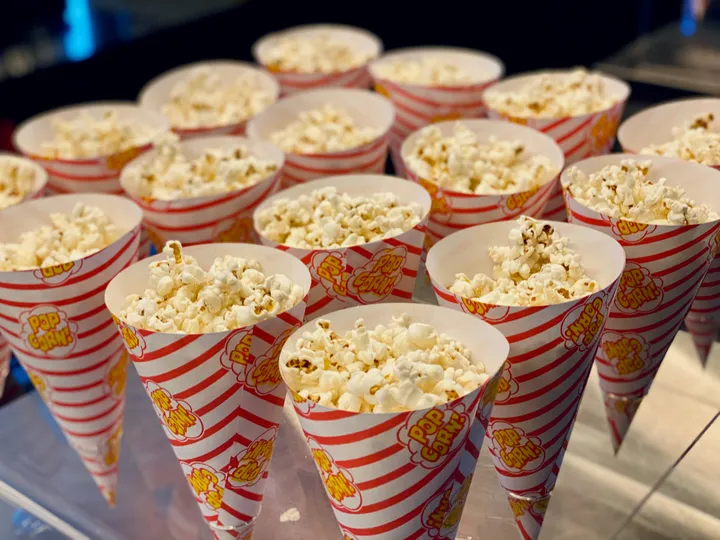
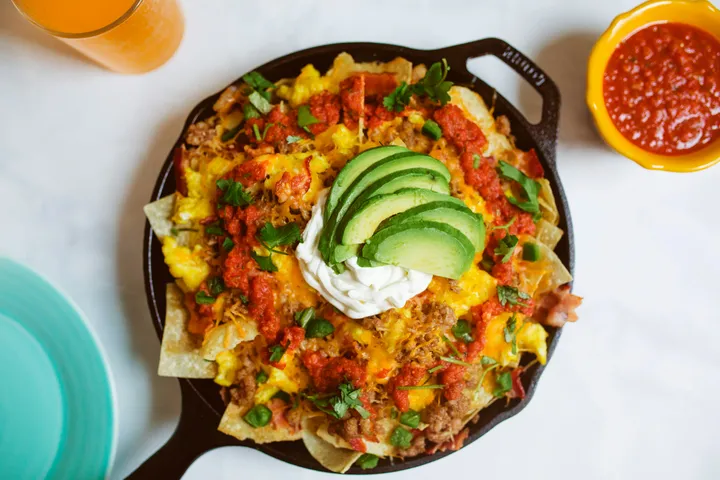
For the cold-weather version of the same self-serve idea, our hot chocolate bar guide applies the identical math-and-keep-it-warm approach to a winter gathering. For a savory, year-round one, the same playbook builds a nacho bar or a snack-focused popcorn bar.
When you are building the rest of the morning, our bridal shower brunch menu and Mother’s Day brunch ideas cover the food, the finger foods for a party guide and a grazing table add food to set alongside the bar, and the champagne flutes guide covers the glass. For now: chill the bottles tonight, and set the rest out in the morning.